

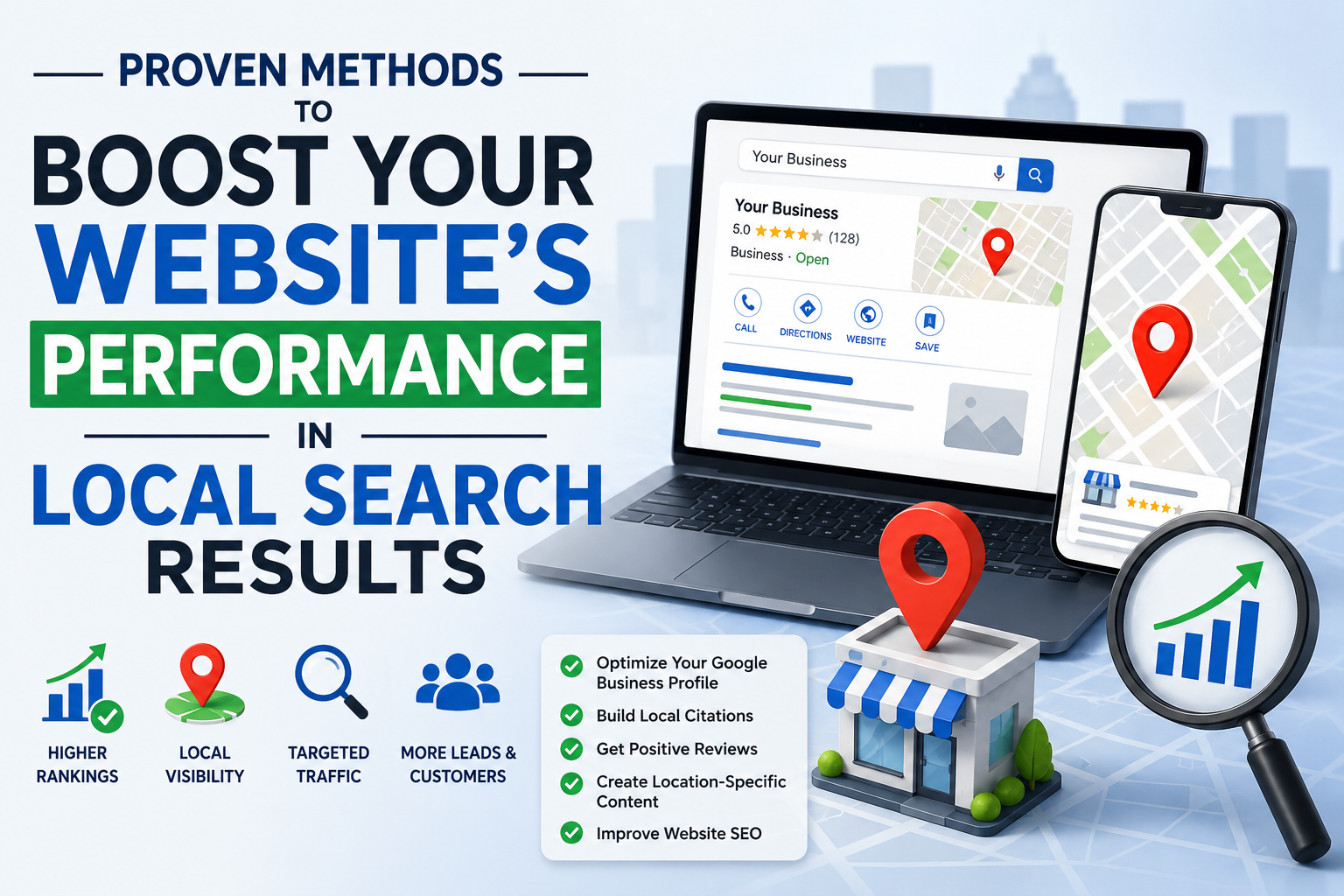
In today’s competitive digital world, local visibility can make or break a business. Whether you run a restaurant, law firm, dental clinic, real estate agency, or eCommerce store with regional targeting, appearing in local search results is essential for attracting nearby customers. Consumers now rely heavily on search engines to discover products and services in their area, and businesses that fail to optimize for local searches often lose valuable opportunities to competitors.
Local SEO is no longer optional. It has become one of the most powerful digital marketing strategies for businesses seeking consistent leads, increased foot traffic, and stronger online authority. However, ranking well in local search results requires more than simply adding your city name to a webpage. Search engines have evolved significantly, and they now evaluate businesses using a combination of relevance, trust, user experience, authority, and geographic signals.
This comprehensive guide explores proven methods to improve your website’s local search performance and build a stronger online presence in your target market.
Understanding Local Search Optimization
Local search optimization refers to improving your online visibility for location-based searches. These searches usually include phrases such as:
- “near me”
- “best restaurant in Burnaby”
- “local SEO agency”
- “plumber near downtown”
- “coffee shop open now”
Search engines like Google prioritize businesses that provide accurate information, relevant content, and strong local authority. The goal of local SEO is to help your business appear in:
- Google Local Pack
- Google Maps
- Organic search results
- Voice search results
- Mobile location-based searches
When properly optimized, local SEO helps your business connect with people actively looking for your services nearby.
Why Local SEO Matters More Than Ever
Consumer behavior has shifted dramatically in recent years. Most people now use smartphones to search for local services while traveling, shopping, or planning purchases. According to industry studies, local searches often lead to high conversion rates because users already have strong buying intent.
Here are some key benefits of local SEO:
Increased Website Traffic
Optimized local visibility attracts highly targeted visitors who are actively searching for your products or services.
Better Conversion Rates
Local customers are more likely to call, visit, or purchase from nearby businesses.
Enhanced Brand Trust
Appearing in local search results builds credibility and customer confidence.
Competitive Advantage
Strong local optimization helps smaller businesses compete against larger brands.
Long-Term Growth
Consistent local SEO creates sustainable organic traffic without relying entirely on paid advertising.
Optimize Your Google Business Profile
Your Google Business Profile is one of the most important components of local SEO. It directly impacts your ability to appear in local map results and local search listings.
Complete Every Section
Provide accurate information including:
- Business name
- Address
- Phone number
- Website URL
- Business hours
- Categories
- Services
- Business description
At this stage, many businesses seek guidance from a Top Burnaby SEO Expert to develop customized link-building campaigns that align with local market competition and long-term ranking goals.
Add High-Quality Photos
Businesses with professional photos tend to receive more engagement and customer interactions. Upload:
- Office photos
- Team photos
- Product images
- Service process images
- Interior and exterior views
Collect and Respond to Reviews
Customer reviews influence both rankings and trust. Encourage satisfied customers to leave reviews and always respond professionally to feedback.
Positive engagement signals improve local credibility and customer confidence.
Create Location-Specific Landing Pages
Many businesses make the mistake of targeting multiple cities on a single generic page. Instead, create dedicated landing pages for each target location.
For example:
- SEO Services in Burnaby
- Digital Marketing in Vancouver
- Web Design in Surrey
Each page should include:
- Unique local content
- City-specific keywords
- Customer testimonials
- Service details
- Local business references
- Contact information
Avoid duplicate content because search engines may penalize repetitive pages.
Focus on Mobile Optimization
Mobile searches dominate local search behavior. If your website is not mobile-friendly, users will quickly leave and search engines may reduce your rankings.
Improve Mobile Experience
Your website should:
- Load quickly
- Display properly on all devices
- Have readable text
- Feature clickable buttons
- Use responsive design
A seamless mobile experience increases engagement and reduces bounce rates.
Improve Page Speed
Website speed significantly affects both rankings and user satisfaction. Compress images, minimize scripts, and use caching tools to improve performance.
Slow websites often lose valuable local customers before they even explore services.
Build Consistent Local Citations
Local citations are mentions of your business information across online directories and websites.
Examples include:
- Yelp
- Bing Places
- Apple Maps
- Yellow Pages
- Chamber of Commerce directories
Consistency across all citations strengthens trust signals for search engines.
Even small differences in business information can create confusion and weaken rankings.
Use Local Keywords Strategically
Keyword optimization remains an important part of local SEO success.
Research Local Search Terms
Identify terms your target audience uses when searching for services in your area.
Examples include:
- “best dentist in Burnaby”
- “Burnaby digital marketing agency”
- “emergency plumber near me”
Use keyword research tools to uncover search volume, competition, and user intent.
Optimize Key Areas
Include local keywords naturally in:
- Page titles
- Meta descriptions
- Headings
- URLs
- Image alt text
- Body content
Avoid keyword stuffing because modern search engines prioritize natural readability.
Create Valuable Local Content
Content marketing helps establish authority and relevance in local markets.
Publish Community-Focused Articles
Write content about:
- Local events
- Industry trends
- Community news
- Local business partnerships
- Regional customer challenges
This approach improves relevance while building stronger connections with local audiences.
Develop Educational Resources
Helpful content increases trust and encourages backlinks. Consider publishing:
- Guides
- Tutorials
- FAQs
- Checklists
- Industry insights
Educational content also improves engagement metrics that influence rankings.
Earn High-Quality Backlinks
Backlinks remain one of the strongest ranking factors in SEO.
Partner with Local Organizations
Collaborate with:
- Community groups
- Local bloggers
- Business associations
- Nonprofits
- Industry events
These partnerships can generate valuable local backlinks and increase brand exposure.
Optimize On-Page SEO Elements
Strong on-page optimization helps search engines understand your website content.
Improve Title Tags
Include your primary keyword and location naturally.
Example:
“Professional Web Design Services in Burnaby”
Write Compelling Meta Descriptions
Your meta description should encourage clicks while summarizing page content clearly.
Use Structured Headings
Organized headings improve readability and SEO structure.
Use:
- H1 for page title
- H2 for sections
- H3 for subsections
Clear formatting helps both users and search engines navigate content effectively.
Implement Schema Markup
Schema markup helps search engines understand your business information more accurately.
Local business schema can include:
- Address
- Reviews
- Operating hours
- Services
- Pricing
- Contact details
Schema improves your chances of earning enhanced search result displays.
Rich snippets often increase click-through rates and visibility.
Improve User Experience Signals
Search engines monitor user behavior to evaluate content quality and relevance.
Reduce Bounce Rate
Engaging content, faster loading times, and clear navigation help users stay longer on your site.
Increase Engagement
Use:
- Videos
- Interactive elements
- Internal links
- Clear calls-to-action
Better engagement signals can positively impact rankings over time.
Strengthen Internal Linking
Internal linking improves site structure and helps distribute authority throughout your pages.
Link Relevant Pages Together
For example:
- Service pages
- Blog articles
- Location pages
- FAQs
Strategic internal linking improves crawlability and user navigation.
Encourage Customer Reviews
Online reviews strongly influence local search rankings and customer decisions.
Build a Review Strategy
Request reviews through:
- Follow-up emails
- SMS campaigns
- In-store signage
- Website prompts
Respond Professionally
Always respond respectfully to both positive and negative reviews.
Professional communication demonstrates reliability and customer care.
Optimize for Voice Search
Voice searches continue to grow rapidly through smartphones and smart devices.
People often use conversational phrases like:
- “Where is the best pizza nearby?”
- “Who offers SEO services near me?”
- “Find a local electrician open now”
Use Conversational Content
Include natural language questions and answers within your content.
Add FAQ Sections
FAQs improve your chances of appearing in voice search results and featured snippets.
Leverage Social Media for Local Visibility
Social media indirectly supports local SEO by increasing brand awareness and traffic.
Share Local Content
Promote:
- Community events
- Customer stories
- Behind-the-scenes content
- Local promotions
Engage with Local Audiences
Respond to comments, messages, and discussions consistently.
Strong social engagement builds trust and improves brand recognition.
Monitor SEO Performance Regularly
Tracking performance helps identify strengths, weaknesses, and opportunities.
Use Analytics Tools
Monitor:
- Organic traffic
- Local rankings
- Bounce rates
- Conversion rates
- User behavior
Adjust Strategies
SEO constantly evolves, and businesses must adapt to algorithm updates and changing consumer behavior.
Regular analysis ensures continued growth and improved local visibility.
Optimize Images for Local Search
Images contribute to both user experience and search optimization.
Use Proper File Names
Instead of generic names like:
“IMG123.jpg”
Use descriptive names such as:
“burnaby-seo-services.jpg”
Add Alt Text
Descriptive alt text improves accessibility and search engine understanding.
Compress Image Sizes
Smaller file sizes improve loading speed and mobile performance.
Create Locally Relevant Backlinks
Not all backlinks carry equal value. Local backlinks are particularly powerful for local SEO.
Build Relationships with Local Websites
Reach out to:
- Local newspapers
- Community blogs
- Event websites
- Business organizations
Sponsor Community Events
Sponsorships often generate high-quality local mentions and backlinks.
This also improves brand visibility within your geographic market.
Maintain Accurate NAP Information
NAP stands for:
- Name
- Address
- Phone number
Inconsistent NAP information creates trust issues for search engines.
Audit Your Listings
Check all directories and platforms regularly to ensure accuracy.
Consistency improves credibility and ranking potential.
Use Geo-Targeted Content Marketing
Geo-targeted content strengthens local relevance signals.
Cover Regional Topics
Write articles related to:
- Local customer problems
- Neighborhood insights
- Regional industry trends
- Community activities
Localized content increases relevance and audience engagement.
Improve Website Security
Website security influences both rankings and user trust.
Install SSL Certificates
HTTPS encryption protects user data and improves credibility.
Search engines prioritize secure websites in rankings.
Optimize Conversion Elements
Traffic alone does not guarantee business growth. Your website should convert visitors into customers.
Use Clear Calls-to-Action
Examples include:
- Request a Quote
- Call Now
- Book a Consultation
- Get Free Estimate
Simplify Contact Options
Provide:
- Phone numbers
- Contact forms
- Live chat
- Email addresses
Easy communication improves conversion rates significantly.
Understand Search Intent
Modern SEO focuses heavily on user intent rather than simple keyword matching.
Informational Intent
Users seeking education or answers.
Transactional Intent
Users ready to purchase or contact a business.
Navigational Intent
Users searching for specific businesses or brands.
Tailoring content to user intent improves rankings and conversions.
Use Video Content Strategically
Video content increases engagement and time-on-site metrics.
Create Local Videos
Examples include:
- Business introductions
- Customer testimonials
- Service demonstrations
- Community involvement
Optimize Video Titles and Descriptions
Include relevant local keywords naturally.
Videos can also appear in search results, increasing visibility.
Stay Updated with Algorithm Changes
Search engine algorithms continuously evolve.
Businesses that stay informed can adapt faster and maintain rankings.
Follow SEO Industry Updates
Monitor trusted SEO publications and industry experts regularly.
Conduct Routine SEO Audits
Regular audits identify technical issues, outdated content, and optimization opportunities.
Build Authority Through Expertise
Search engines reward websites that demonstrate expertise, authority, and trustworthiness.
Publish Expert-Level Content
Detailed and informative articles establish industry leadership.
Showcase Credentials
Display certifications, awards, partnerships, and client success stories.
Trust signals improve both rankings and customer confidence.
Use Data-Driven SEO Decisions
Successful SEO strategies rely on measurable data rather than assumptions.
Analyze Competitors
Study competitors’:
- Keywords
- Content strategies
- Backlink profiles
- Local rankings
Identify Opportunities
Find content gaps and underserved search queries in your market.
Data-driven optimization produces stronger long-term results.
Create Evergreen Local Content
Evergreen content continues generating traffic over time.
Examples include:
- Ultimate local guides
- Frequently asked questions
- Industry tutorials
- Resource pages
These pages provide long-term SEO value while supporting local visibility.
Optimize Navigation and Site Structure
A well-structured website improves usability and crawlability.
Use Clear Navigation Menus
Visitors should easily find:
- Services
- Contact information
- Location pages
- Blog content
Improve Crawl Depth
Important pages should not require excessive clicks to access.
Efficient architecture improves indexing and user satisfaction.
Encourage User-Generated Content
User-generated content adds authenticity and engagement.
Examples include:
- Reviews
- Testimonials
- Customer photos
- Community discussions
Authentic content strengthens trust signals and local relevance.
Develop a Long-Term Local SEO Strategy
Local SEO is not a one-time task. Sustainable growth requires ongoing effort and optimization.
Focus on Consistency
Consistent updates, reviews, content creation, and optimization improve long-term rankings.
Build Relationships
Strong community connections support brand authority and backlink growth.
Prioritize User Experience
Ultimately, search engines reward websites that provide genuine value to users.
Common Local SEO Mistakes to Avoid
Many businesses unintentionally damage their local rankings through avoidable mistakes.
Keyword Stuffing
Overusing keywords reduces readability and can trigger search engine penalties.
Duplicate Content
Avoid copying location pages or blog content.
Ignoring Mobile Users
Poor mobile performance significantly harms local visibility.
Inconsistent Listings
Conflicting business information weakens trust signals.
Neglecting Reviews
Ignoring customer feedback damages reputation and engagement.
Future Trends in Local SEO
Local SEO continues evolving alongside technology and user behavior.
Artificial Intelligence
AI-driven search algorithms increasingly prioritize user intent and content quality.
Hyperlocal Targeting
Search engines are becoming more precise with neighborhood-level results.
Visual Search
Image-based searches continue gaining popularity.
Personalized Results
Search engines customize results based on user location, behavior, and preferences.
Businesses that adapt early gain competitive advantages.
Final Thoughts
Improving your website’s performance in local search results requires a strategic combination of technical optimization, high-quality content, strong user experience, and local authority building. Businesses that invest in local SEO consistently outperform competitors in visibility, customer engagement, and lead generation.
From optimizing your Google Business Profile to creating localized content, earning quality backlinks, improving mobile usability, and maintaining accurate citations, every element contributes to stronger local rankings.
Success in local SEO does not happen overnight, but consistent effort delivers lasting results. As search engines continue prioritizing relevance and user satisfaction, businesses that focus on authentic value and community engagement will remain ahead of the competition.
