

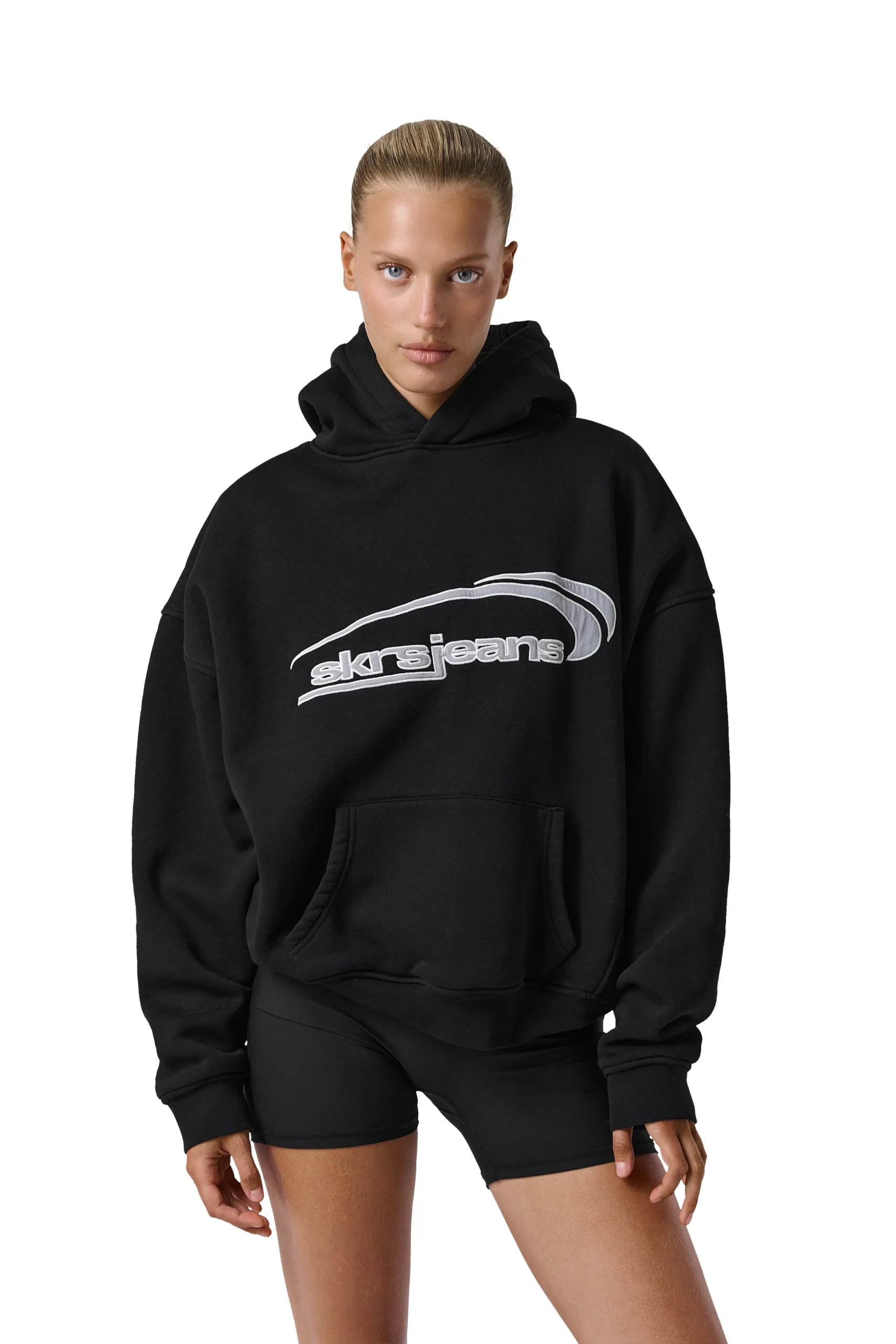
Street style photography has become one of the most influential forces in modern fashion culture, shaping how everyday outfits are perceived, shared, and styled. Among the standout pieces dominating this space is the tracksuit, especially when presented through a clean and minimal aesthetic. One of the brands that has gained strong attention in this movement is Sisters and Seekers, known for its refined approach to casualwear that merges comfort with elevated street styling.
The sisters and seekers tracksuit lookbook for street style shoots represents more than just clothing combinations. It reflects a lifestyle driven by simplicity, confidence, and visual storytelling. In today’s fashion landscape, where social media defines trends almost instantly, tracksuits are no longer just athletic wear. They have evolved into a symbol of modern identity, especially when styled with intentionality and photographed in editorial inspired settings.
This article explores how the Sisters and Seekers tracksuit lookbook concept fits into street style shoots, why it resonates with modern audiences, and how it reflects broader changes in fashion culture.
The Evolution of Tracksuits in Streetwear Culture
Tracksuits originally emerged as functional sportswear designed for athletes warming up before competitions. Over time, they transitioned into mainstream fashion, especially during the rise of hip hop culture in the late twentieth century. By the early 2000s, tracksuits had already become a staple in urban fashion, representing comfort, status, and identity.
Today, tracksuits have taken on an entirely new meaning. They are no longer confined to sports or casual lounging. Instead, they are styled as coordinated fashion statements suitable for street style photography, city walks, and sisters and seekers curated social media feeds.
What makes the modern tracksuit especially relevant is its adaptability. It can appear relaxed and effortless or structured and editorial depending on how it is styled and photographed. This versatility is exactly what makes it central to the Sisters and Seekers aesthetic direction.
The Aesthetic Identity of Sisters and Seekers
The design philosophy of Sisters and Seekers is rooted in minimalism, neutral tones, and clean silhouettes. The brand focuses on creating clothing that feels effortless yet intentional, allowing wearers to express confidence without excessive detailing.
In the context of a tracksuit lookbook, this aesthetic becomes even more powerful. The simplicity of the design allows the outfit to become a canvas for styling, posing, and photography. Instead of loud patterns or complex graphics, the focus shifts to shape, fit, and movement.
The Sisters and Seekers tracksuit embodies a quiet luxury approach to streetwear. It prioritizes refined comfort, making it suitable for both indoor lifestyle shots and outdoor street style environments. This duality is what makes it so effective in lookbook storytelling.
Building a Street Style Lookbook Concept
A tracksuit lookbook is more than a collection of outfits. It is a visual narrative that communicates mood, identity, and lifestyle. When working with a Sisters and Seekers tracksuit, the lookbook concept often revolves around natural environments and urban backdrops.
Key elements of a strong lookbook concept include:
- Location selection that reflects modern city energy such as concrete walls, quiet streets, or architectural spaces
- Natural body language that avoids overly posed positions and instead focuses on movement
- Consistent color grading that enhances neutral tones and soft textures
- A storytelling flow that connects each image as part of a larger visual journey
The goal is not just to display clothing but to create an atmosphere that feels relatable and aspirational at the same time.
Styling Direction for Street Style Shoots
Styling a Sisters and Seekers tracksuit for street style shoots is about balance and proportion. The tracksuit already carries a strong visual identity, so additional styling should complement rather than overpower it.
Outfit direction often focuses on relaxed silhouettes and clean layering. The tracksuit can be styled in a way that highlights its fabric texture and fit. Attention to detail is essential, especially in how the outfit interacts with movement and environment.
Common styling principles include:
- Keeping the look cohesive with neutral tones
- Emphasizing comfort through relaxed fit positioning
- Using subtle contrasts in lighting and background
- Allowing natural posture and motion to guide visual storytelling
The result is a look that feels authentic and wearable while still maintaining editorial appeal.
Fabric, Fit, and Visual Impact
One of the strongest elements of a tracksuit in a lookbook setting is its fabric quality. The way material folds, stretches, and catches light plays a crucial role in photography.
Sisters and Seekers designs often focus on soft yet structured fabrics that maintain shape while allowing ease of movement. This balance is essential for street style shoots where models are constantly in motion or interacting with urban environments.
Fit also plays a major role. A well balanced tracksuit avoids extremes and instead offers a tailored relaxed silhouette. This creates a clean visual flow in photographs, making the outfit appear effortless while still refined.
In street style photography, fabric and fit together determine how professional and editorial the final image feels.
Photography Direction and Visual Storytelling
Street style shoots rely heavily on natural environments and candid composition. When working with a tracksuit lookbook concept, photography becomes a storytelling tool rather than just documentation.
Lighting is often natural, with early morning or late afternoon being preferred for soft shadows and warm tones. These conditions enhance the neutral palette of the tracksuit and create depth in images.
Posing direction is equally important. Instead of static poses, movement based shots such as walking, turning, or adjusting posture create a more authentic feel. The goal is to capture emotion rather than perfection.
Framing also plays a role in building narrative. Wide shots can emphasize environment and mood, while closer shots highlight fabric detail and expression.
Social Media Influence on Tracksuit Lookbooks
The rise of social media platforms has significantly changed how fashion lookbooks are created and consumed. Instead of traditional print formats, lookbooks are now designed for digital storytelling.
Tracksuits, especially minimal styles like those from Sisters and Seekers, perform exceptionally well in this space due to their visual clarity and adaptability. They translate well in both static images and short form video content.
This shift has made street style photography more accessible, allowing everyday fashion enthusiasts to engage with lookbook culture. As a result, tracksuits have become a key element in personal branding and visual identity online.
Why This Tracksuit Style Works Today
The popularity of tracksuit based lookbooks is tied to broader lifestyle trends. Modern fashion values comfort, authenticity, and versatility more than ever before.
A Sisters and Seekers tracksuit aligns with these values by offering a clean and adaptable foundation for styling. It can be worn in casual daily settings or elevated for editorial shoots without losing its identity.
This flexibility is what makes it especially relevant in today’s fast paced fashion environment. It allows individuals to move seamlessly between real life and curated visual storytelling.
FAQs
What makes a tracksuit suitable for street style photography
A tracksuit works well in street style photography when it has clean lines, a good fit, and neutral tones that interact well with natural lighting and urban environments.
How should a tracksuit lookbook be styled
A tracksuit lookbook should focus on minimal styling, natural poses, and locations that enhance the outfit without distracting from it.
Why are neutral tones popular in tracksuit lookbooks
Neutral tones create a timeless visual appeal and allow the focus to remain on silhouette, texture, and movement rather than color distraction.
