

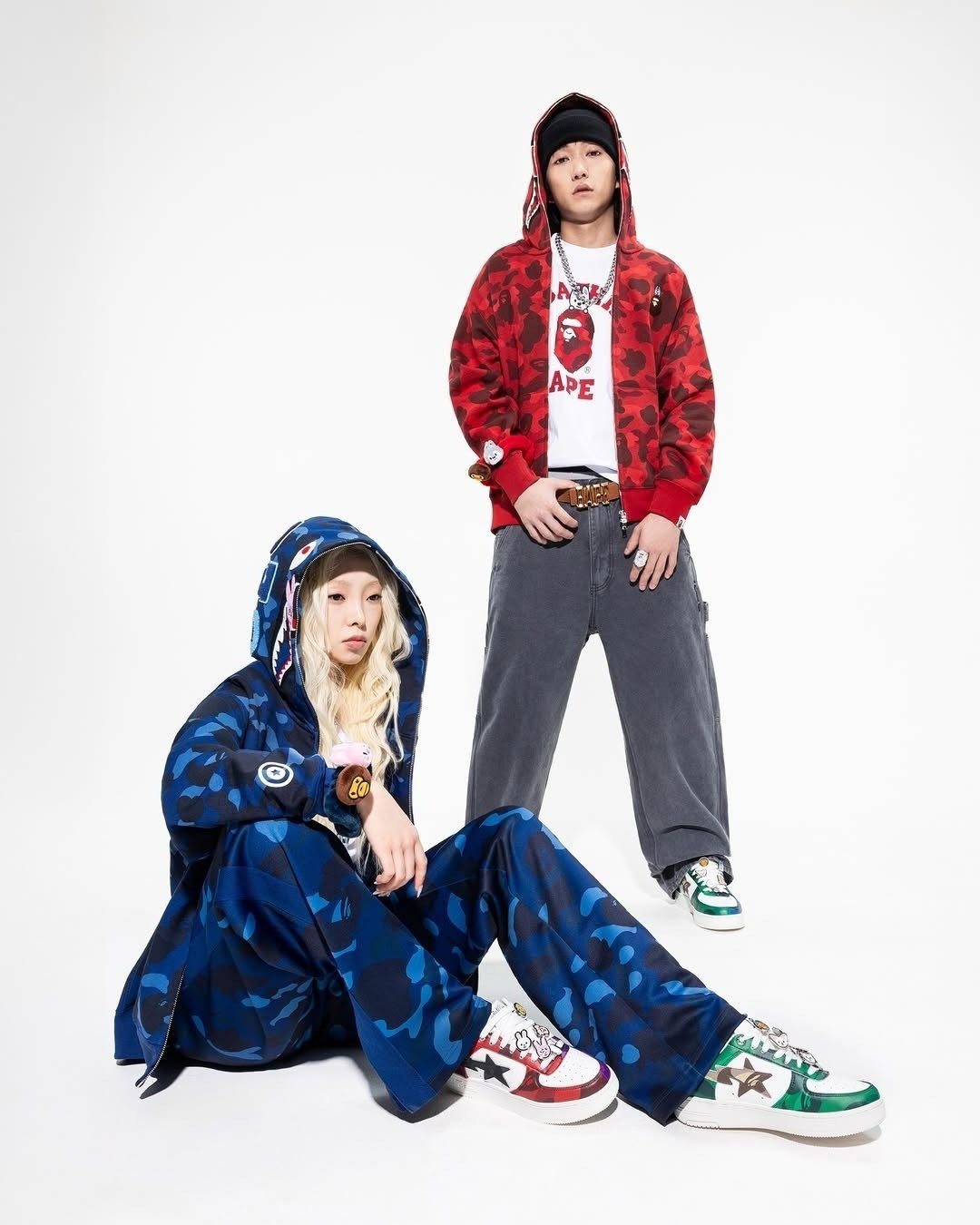
Street culture has always been more than just fashion. It represents identity, rebellion, creativity, and self expression. Among the many movements that shaped modern streetwear, few names stand as strongly as BAPE. The Rise of BAPE in Street Culture is not just a story about clothing, but about how a small Japanese label transformed into a global symbol of hype, exclusivity, and youth identity.
From its early beginnings in Tokyo to becoming a worldwide fashion phenomenon, bapestoreuk.com built a legacy that reshaped how people view streetwear. Its bold designs, limited releases, and strong cultural identity helped it rise beyond fashion into a lifestyle movement.
Origins of BAPE and Early Street Influence
BAPE, short for A Bathing Ape, was founded in the early 1990s in Harajuku, Tokyo. At that time, Japanese street fashion was already developing its own identity, influenced by Western hip hop culture, skate style, and youth subcultures.
The founder, Nigo, was heavily inspired by music, pop culture, and vintage Americana. Instead of following mainstream fashion trends, he created something that felt underground, exclusive, and different. The idea behind the name A Bathing Ape reflected a generation that was comfortable in luxury excess and consumer culture, but also self aware of it.
In its earliest days, bape hoodie was not widely accessible. The brand produced very small quantities, which immediately created demand. This scarcity became one of the core elements of The Rise of BAPE in Street Culture. People were not just buying clothes, they were chasing identity and exclusivity.
The Harajuku Scene and Cultural Identity
Harajuku in the 1990s was a creative hub where fashion experimentation was at its peak. Young people mixed different styles without fear of judgment. In this environment, BAPE thrived.
The brand stood out because of its bold graphic approach. Camouflage patterns, shark hoodies, and loud prints became signature elements. While many brands focused on minimalism or traditional street aesthetics, BAPE leaned into exaggerated visuals.
This unique identity helped BAPE become more than just a fashion label. It became a symbol of belonging to a creative subculture. Wearing BAPE meant being part of a community that valued originality and exclusivity over mainstream acceptance.
Expansion Through Music and Global Attention
One of the biggest turning points in The Rise of BAPE in Street Culture came through music influence. Hip hop artists, especially in the United States, began wearing BAPE pieces during performances, music videos, and public appearances.
This exposure introduced the brand to a global audience. At a time when social media did not dominate fashion discovery, celebrity influence played a major role. When influential artists wore BAPE, it immediately created international demand.
The brand’s bold visual identity matched perfectly with the expressive nature of hip hop culture. Oversized silhouettes, graphic designs, and limited drops aligned with the lifestyle of artists who valued uniqueness and status symbols.
This crossover between Japanese street fashion and Western music culture helped BAPE move from niche to global recognition.
Limited Releases and the Culture of Exclusivity
A key factor in The Rise of BAPE in Street Culture is its approach to scarcity. BAPE never followed traditional mass production strategies. Instead, it released small batches of products, often without warning.
This created a sense of urgency among fans. Owning a BAPE item became a status symbol, not just because of its design, but because of how difficult it was to obtain.
This exclusivity helped build a strong resale culture around the brand. Items often became more valuable after release due to high demand and limited availability. The idea of waiting in long lines or competing for drops became part of the streetwear experience.
Scarcity turned BAPE into more than a clothing label. It became a cultural currency in street fashion communities.
Signature Designs That Defined a Generation
BAPE’s design language played a huge role in its success. Some of its most recognizable elements include the camouflage patterns, the ape head logo, and the shark hoodie design.
These designs were not subtle. They were loud, expressive, and instantly recognizable. The shark hoodie, in particular, became one of the most iconic streetwear pieces of all time. Its full zip design, bold graphics, and aggressive visual identity captured attention globally.
The camouflage pattern also became a signature look. Unlike traditional military camo, BAPE’s version used vibrant colors and playful arrangements, making it a fashion statement rather than a functional pattern.
These design choices helped BAPE stand apart in a crowded fashion landscape. They also reinforced the idea that streetwear could be artistic, expressive, and culturally impactful.
Influence on Global Streetwear Trends
The Rise of BAPE in Street Culture did not happen in isolation. It influenced how streetwear brands around the world approached design, marketing, and product drops.
Many modern streetwear trends such as limited edition releases, seasonal drops, and collaboration driven hype can be traced back to strategies popularized by BAPE.
The brand also helped redefine luxury in fashion. Instead of traditional high fashion houses, streetwear began to gain status in mainstream culture. Wearing streetwear became a statement of individuality and cultural awareness.
BAPE played a major role in bridging the gap between underground fashion and global luxury perception.
The Role of Collaborations in Cultural Growth
Collaborations became another powerful tool in BAPE’s expansion. By working with artists, musicians, and pop culture franchises, the brand expanded its reach beyond fashion enthusiasts.
These collaborations helped BAPE stay relevant across different generations. Each release created excitement and discussion within fashion communities.
Instead of relying only on traditional marketing, BAPE used cultural partnerships to build emotional connections with audiences. This approach strengthened its identity as a cultural brand rather than just a clothing company.
BAPE and the Evolution of Street Identity
Street culture is constantly evolving, and BAPE has remained part of that evolution. While trends have shifted over time, the brand’s core identity remains strong.
The Rise of BAPE in Street Culture represents more than just fashion success. It represents the transformation of streetwear into a global language of expression. It shows how youth culture, music, and fashion can merge to create something powerful and long lasting.
Even as new styles emerge, BAPE continues to hold its place as a reference point in streetwear history. Its influence can be seen in design choices, marketing strategies, and cultural narratives across the fashion world.
Modern Relevance of BAPE in Today’s Fashion Scene
Today, BAPE continues to evolve while staying true to its roots. The brand still relies on bold graphics, limited releases, and strong cultural storytelling.
Younger generations discover BAPE not just through fashion stores but through social media, music culture, and street style inspiration. Its legacy gives it credibility, while its continued innovation keeps it relevant.
The brand’s ability to maintain its identity while adapting to modern trends is a key reason it still matters in today’s fashion landscape.
FAQs
What is BAPE known for in street culture?
BAPE is known for bold designs, limited releases, and its strong influence on global streetwear fashion.
Why did BAPE become so popular?
Its exclusivity, unique graphics, and influence from music and youth culture helped it gain global attention.
What makes BAPE designs unique?
Its camouflage patterns, shark hoodies, and bold visual identity make its designs instantly recognizable.
How did BAPE influence streetwear?
It popularized limited drops, hype culture, and the fusion of fashion with music and street identity.
