

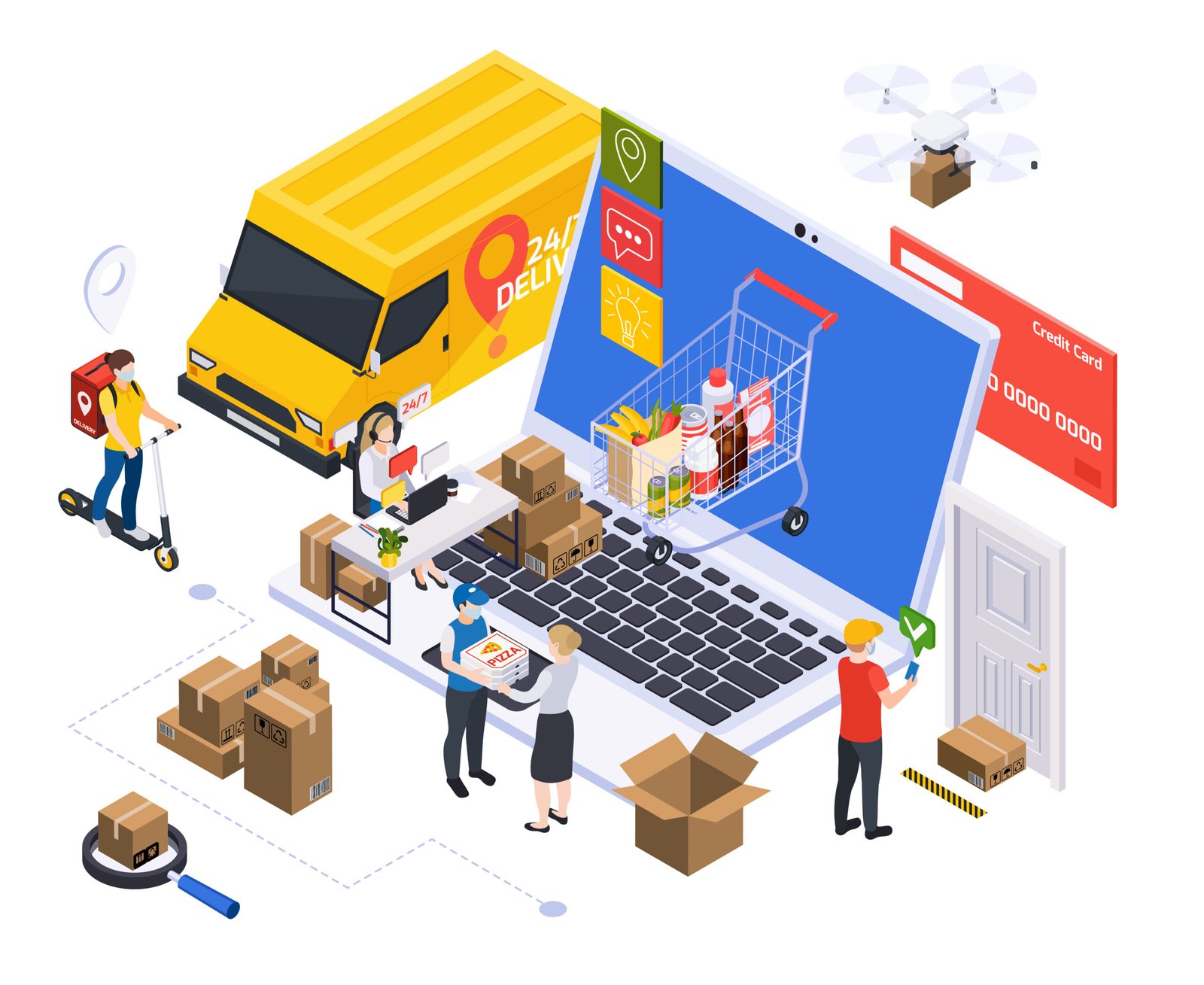
Modern logistics operations are more demanding than ever before. Businesses must manage rising shipping volumes, multiple carriers, customer expectations, and increasing transportation costs all at the same time. This is why freight management software has become an essential tool for companies looking to simplify freight operations and improve overall efficiency.
The Growing Complexity of Freight Operations
Freight management is no longer just about moving goods from one place to another, because modern supply chains now involve warehouses, shipping carriers, international routes, delivery schedules, customs regulations, and constant customer communication.
As businesses expand, managing freight manually becomes more challenging, with teams often relying on spreadsheets, emails, phone calls, and disconnected systems that can lead to delays, billing mistakes, poor visibility, and rising operational costs.
This is where freight management software makes a major difference.
What Is Freight Management Software?
Freight management software is a digital solution designed to help businesses plan, manage, track, and optimize freight operations from one centralized platform.
The software helps automate transportation processes while improving visibility across the supply chain.
Most freight management systems include features such as:
- Shipment tracking
- Carrier management
- Route optimization
- Freight billing
- Reporting and analytics
- Delivery notifications
- Invoice auditing
- Freight reconciliation
Instead of managing operations through multiple disconnected tools, businesses can control everything through a single system.
Why Freight Management Software Matters
Transportation is one of the largest operational expenses for many businesses. Even small inefficiencies can lead to major financial losses over time.
Freight management software helps businesses:
- Reduce transportation costs
- Improve operational efficiency
- Increase shipment visibility
- Reduce manual work
- Improve customer satisfaction
- Simplify communication with carriers
Businesses that continue relying on outdated manual processes often struggle to keep pace with growing logistics demands.
Modern freight technology allows companies to operate faster, smarter, and more accurately.
Simplifying Freight Through Automation
One of the biggest benefits of freight management software is automation.
Manual freight management tasks often include:
- Entering shipment data
- Comparing carrier rates
- Creating shipping documents
- Tracking deliveries
- Reviewing invoices
- Updating customers
These tasks take time and increase the risk of human error.
Automation simplifies these repetitive workflows and improves operational consistency.
The best shipping automation software for enterprise business helps companies handle large freight volumes without increasing administrative workloads.
Automation also improves speed, allowing businesses to process shipments more efficiently while reducing costly mistakes.
Better Shipment Visibility
Visibility is critical in modern freight operations. Businesses need real-time information to monitor shipments and respond quickly to delays or disruptions.
Freight management software provides complete shipment visibility from pickup to final delivery.
Real-time tracking allows businesses to:
- Monitor freight movement
- Identify delays quickly
- Improve communication
- Reduce customer inquiries
- Maintain better supply chain control
Customers also benefit from improved transparency because they can access accurate tracking updates throughout the delivery process.
Better visibility leads to stronger customer trust and more reliable service.
Centralized Freight Management
One of the biggest problems businesses face is managing freight information across multiple systems.
A modern freight management platform centralizes all transportation activities into one dashboard.
This includes:
- Shipment scheduling
- Carrier communication
- Invoice management
- Freight tracking
- Reporting
- Customer updates
Centralized management improves coordination between teams while reducing confusion and operational delays.
It also gives decision-makers better access to accurate logistics data.
Managing Multiple Carriers with Ease
Most businesses work with several shipping carriers to meet different delivery requirements.
However, coordinating multiple carriers manually becomes difficult as operations grow.
This is why multi carrier shipping software is so important in modern logistics operations.
Freight management systems allow businesses to:
- Compare carrier rates instantly
- Select the best carrier for each shipment
- Track shipments from one platform
- Monitor carrier performance
- Improve transportation flexibility
Companies searching for the best tms for multiple carriers often prioritize systems that provide strong integration, automation, and centralized carrier management.
Using multiple carriers also reduces dependence on a single provider and improves supply chain resilience.
Reducing Freight Costs
Transportation costs continue to rise across global supply chains. Fuel prices, labor shortages, and shipping disruptions can significantly affect profitability.
Freight management software helps businesses reduce costs in several ways.
Route Optimization
The system identifies efficient transportation routes to reduce delivery time and fuel consumption.
Carrier Rate Comparison
Businesses can compare rates across carriers and select the most cost-effective shipping option.
Reduced Manual Errors
Mistakes such as incorrect addresses or duplicate shipments create unnecessary expenses. Automation reduces these costly errors.
Better Resource Management
Employees spend less time on repetitive administrative tasks, improving productivity without increasing labor costs.
These efficiencies help businesses maintain stronger profit margins.
The Power of AI in Freight Auditing
Freight invoicing can be one of the most complicated parts of logistics management.
Businesses often receive large numbers of invoices from different carriers, making it difficult to identify billing discrepancies manually.
This is where AI freight invoice auditing becomes extremely valuable.
AI-powered auditing systems can:
- Compare invoices against shipping agreements
- Detect billing errors automatically
- Identify duplicate charges
- Flag pricing inconsistencies
- Improve financial accuracy
Artificial intelligence significantly reduces the time required for invoice verification while improving accuracy and cost control.
Businesses can recover unnecessary freight expenses and improve overall financial management.
Automating Freight Reconciliation
Freight reconciliation involves verifying carrier invoices against shipment records and agreed pricing structures.
Manually reviewing freight invoices is time-consuming and often leads to missed errors.
Modern freight systems help businesses automate freight reconciliation by automatically matching invoices with shipment and contract data.
This process helps businesses:
- Reduce overpayments
- Improve invoice accuracy
- Speed up payment processing
- Minimize billing disputes
- Save administrative time
Automated reconciliation improves both operational efficiency and financial transparency.
Improving Customer Satisfaction
Customer expectations continue to rise in today’s logistics environment.
Businesses are expected to provide:
- Fast deliveries
- Accurate tracking
- Reliable communication
- On-time shipment updates
Freight management software helps businesses meet these expectations through automation and real-time visibility.
Customers feel more confident when they can monitor shipments and receive timely delivery notifications.
Better customer experiences often lead to repeat business and stronger brand loyalty.
Data-Driven Decision Making
Modern freight management systems provide detailed analytics and reporting tools that help businesses improve performance.
Companies can track:
- Carrier performance
- Shipping costs
- Delivery times
- Freight spending
- Route efficiency
- Customer demand patterns
This information helps businesses identify operational weaknesses and make smarter logistics decisions.
Instead of relying on assumptions, companies can optimize operations using accurate real-time data.
Scalability for Growing Businesses
As businesses expand, freight operations become more complex.
Higher shipment volumes, additional carriers, and expanded distribution networks require more advanced management systems.
Freight management software provides the scalability needed to support business growth without sacrificing efficiency.
Cloud-based platforms make it easy to:
- Add users
- Expand shipping operations
- Integrate new carriers
- Support global logistics
- Manage larger freight networks
Scalable systems allow businesses to grow while maintaining operational control.
Integration with Existing Systems
Freight management software works best when integrated with other business platforms.
Modern systems often integrate with:
- ERP software
- Warehouse management systems
- Accounting platforms
- E-commerce systems
- Customer relationship management tools
Integration creates smoother workflows and improves communication across departments.
It also reduces duplicate data entry and improves operational accuracy.
The Future of Freight Management
Technology continues to transform the logistics industry.
Artificial intelligence, predictive analytics, and machine learning are becoming increasingly important in freight management.
These technologies help businesses:
- Predict delays
- Improve route planning
- Forecast freight demand
- Optimize carrier selection
- Improve operational efficiency
Automation and intelligent analytics will continue shaping the future of transportation management.
Businesses that invest in advanced logistics technology today will be better prepared for future industry challenges.
Final Thought
Freight operations are becoming more complex as supply chains grow and customer expectations continue to rise. Businesses need smarter systems that simplify transportation management while improving visibility, automation, and operational control. Investing in modern freight technology helps companies improve efficiency, reduce shipping costs, and strengthen their ability for managing multiple carriers efficiently in an increasingly competitive logistics environment.
