

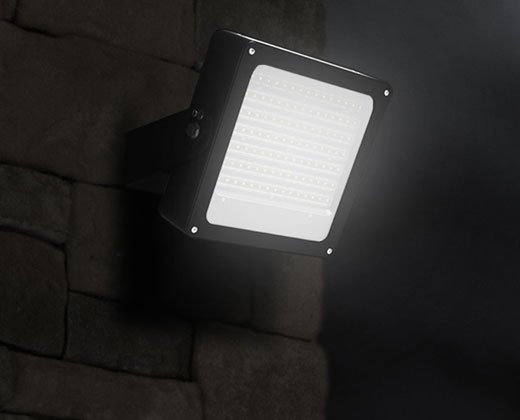
Outdoor lighting plays a major role in improving safety, beauty, and functionality in residential as well as commercial spaces. From gardens and parking areas to stadiums and building exteriors, proper lighting creates a welcoming and secure environment. Among the many outdoor lighting options available today, floodlights stand out as one of the most effective and versatile solutions. They provide powerful illumination across large spaces and help property owners achieve better visibility during nighttime hours.
Modern lighting technology has transformed outdoor spaces with energy-efficient designs and advanced performance features. Whether installed for security purposes, architectural highlights, or landscape enhancement, these lighting systems offer long-lasting benefits. Alongside decorative fixtures such as underwater light, outdoor lighting setups can create visually attractive and highly functional environments for homes, businesses, parks, and public facilities.
Understanding Outdoor Lighting Systems
Outdoor lighting refers to fixtures and systems specifically designed to illuminate exterior areas. These lighting solutions are built to withstand weather conditions while providing reliable brightness and durability. They are commonly used in driveways, pathways, gardens, building facades, sports facilities, and industrial spaces.
Different outdoor lighting fixtures serve different purposes. Some focus on aesthetics, while others prioritize security and visibility. Proper outdoor lighting planning combines multiple lighting styles to create balanced illumination that enhances the appearance and usability of outdoor spaces.
Among all available outdoor fixtures, floodlights are known for their wide-angle lighting coverage and powerful brightness.
What Are floodlights?
floodlights are high-intensity lighting fixtures designed to illuminate large outdoor areas with broad beams of light. Unlike focused spotlights that target a specific object, floodlights spread light over wide spaces, making them ideal for exterior environments requiring strong visibility.
These lighting fixtures are commonly mounted on walls, poles, ceilings, or ground supports. They are used in both residential and commercial applications because they can effectively brighten large areas with fewer fixtures.
Floodlights are available in various sizes, beam angles, wattages, and technologies, including LED, halogen, and metal halide options. Among these, LED floodlights have become increasingly popular due to their energy efficiency and long lifespan.
Key Features of Floodlights
Wide Beam Coverage
One of the most important characteristics of floodlights is their broad lighting distribution. They can illuminate large sections of outdoor spaces evenly, reducing dark spots and improving overall visibility.
High Brightness Levels
Floodlights produce intense illumination suitable for outdoor applications where strong lighting is essential. This makes them useful for security, sports fields, warehouses, parking lots, and building exteriors.
Weather Resistance
Outdoor floodlights are manufactured using durable materials that can resist rain, dust, humidity, and temperature changes. Many models come with waterproof ratings that ensure reliable performance in harsh outdoor conditions.
Energy Efficiency
Modern LED floodlights consume significantly less electricity compared to traditional lighting systems. They provide excellent brightness while reducing energy costs and maintenance requirements.
Long Operational Life
LED floodlights are known for their long lifespan, often lasting tens of thousands of hours. This minimizes replacement frequency and maintenance expenses.
Types of Floodlights
LED Floodlights
LED floodlights are the most commonly used option today because of their energy efficiency, durability, and excellent lighting performance. They generate bright illumination while consuming less power.
Solar Floodlights
Solar-powered floodlights use sunlight to recharge built-in batteries during the day. These fixtures are environmentally friendly and ideal for areas where electrical wiring is difficult.
Motion Sensor Floodlights
Motion sensor floodlights activate automatically when movement is detected. These fixtures are commonly used for security purposes in homes, garages, pathways, and commercial buildings.
Smart Floodlights
Smart floodlights can be controlled through mobile applications or home automation systems. Users can adjust brightness levels, schedules, and lighting colors remotely.
Halogen Floodlights
Halogen floodlights were once widely used due to their bright output. However, they consume more energy and produce more heat compared to modern LED alternatives.
How Floodlights Improve Outdoor Lighting
Enhancing Security
One of the primary benefits of floodlights is improved security. Well-lit outdoor spaces discourage trespassing, theft, and unwanted activities by eliminating dark areas around buildings and properties.
Security lighting around entrances, parking spaces, pathways, and perimeter walls helps people feel safer at night. Motion-activated floodlights add an extra layer of protection by immediately illuminating areas when movement is detected.
Improving Visibility
Floodlights improve nighttime visibility for pedestrians, drivers, and workers. In commercial and industrial environments, proper lighting reduces the risk of accidents and supports safer movement after dark.
Bright outdoor lighting is especially important for public spaces, stadiums, construction zones, and loading areas where visibility directly affects safety and productivity.
Highlighting Architectural Features
Floodlights are commonly used to showcase the architectural beauty of buildings. They can illuminate walls, columns, facades, and landscape elements to create dramatic visual effects during nighttime hours.
By positioning floodlights strategically, property owners can emphasize textures, shapes, and design details that may not be visible during the day.
Supporting Outdoor Activities
Outdoor recreational activities often continue after sunset. Floodlights allow sports events, gatherings, outdoor dining, and evening functions to take place comfortably with proper illumination.
Sports fields, playgrounds, and event venues depend heavily on floodlighting systems to ensure clear visibility for participants and spectators.
Enhancing Landscape Design
Landscape lighting creates attractive outdoor environments that improve property aesthetics. Floodlights can illuminate trees, gardens, pathways, fountains, and decorative elements to enhance the overall ambiance.
Combining floodlights with decorative fixtures such as underwater lighting can produce stunning visual effects in pools, ponds, and water features.
Applications of Floodlights
Residential Properties
Homeowners use floodlights for security, driveway illumination, backyard lighting, and landscape enhancement. They improve nighttime visibility around entrances and outdoor living spaces.
Commercial Buildings
Businesses install floodlights around office buildings, parking lots, shopping centers, and warehouses to improve safety and visibility for customers and employees.
Sports Facilities
Sports arenas and outdoor courts require powerful floodlighting systems to provide clear visibility during evening games and training sessions.
Industrial Areas
Factories, construction sites, and storage facilities use floodlights to maintain safe working conditions during nighttime operations.
Public Spaces
Parks, streets, bridges, and public gathering areas often rely on floodlighting systems for enhanced visibility and public safety.
Choosing the Right Floodlights
Consider Brightness Requirements
The required brightness level depends on the size and purpose of the outdoor area. Larger spaces generally need higher lumen output for effective coverage.
Select Appropriate Beam Angles
Wide beam angles cover larger spaces, while narrower beams provide more focused lighting. Selecting the correct beam spread ensures balanced illumination.
Check Energy Efficiency
LED floodlights are typically the most efficient choice because they consume less electricity while delivering strong illumination.
Evaluate Weather Protection
Outdoor lighting fixtures should have proper waterproof and dustproof ratings to ensure durability in changing weather conditions.
Consider Color Temperature
Color temperature affects the atmosphere of outdoor spaces. Warm white lighting creates a cozy environment, while cool white lighting provides brighter and sharper visibility.
The Role of Smart Technology in Outdoor Lighting
Smart lighting systems are transforming the way outdoor lighting operates. Modern floodlights can now integrate with home automation systems, allowing users to control brightness, schedules, and activation remotely.
Smart features provide several benefits:
Remote Access
Users can turn lights on or off using smartphones or voice assistants.
Energy Savings
Automated scheduling prevents unnecessary energy consumption.
Enhanced Security
Lighting can be programmed to simulate occupancy when property owners are away.
Custom Lighting Scenes
Different brightness settings can create specific moods or highlight landscape features effectively.
Importance of Proper Floodlight Placement
Correct placement is essential for maximizing lighting efficiency and reducing glare.
Mounting Height
Higher mounting positions generally provide wider coverage. However, excessively high placement may reduce lighting intensity at ground level.
Directional Adjustment
Proper beam direction helps eliminate shadows and dark spots while preventing unnecessary light spill.
Avoiding Light Pollution
Carefully aimed floodlights reduce excessive brightness that may disturb neighbors or wildlife.
Layered Lighting Design
Combining floodlights with pathway lighting, wall lighting, and decorative fixtures creates balanced outdoor illumination.
Combining Floodlights with Water Feature Lighting
Outdoor lighting designs often include decorative water elements such as pools, fountains, and ponds. Using lighting within these features enhances visual appeal significantly.
An underwater light system can illuminate water from beneath the surface, creating reflections and dynamic lighting effects. When combined with floodlights, outdoor spaces become more visually engaging and luxurious.
Water feature lighting is commonly used in:
- Swimming pools
- Garden ponds
- Decorative fountains
- Waterfalls
- Resort landscapes
The combination of wide-area illumination and focused water lighting creates an elegant nighttime atmosphere.
Maintenance Tips for Outdoor Lighting Systems
Regular maintenance helps outdoor lighting systems perform efficiently for longer periods.
Clean Fixtures Frequently
Dust, dirt, and debris can reduce brightness. Cleaning fixtures regularly improves lighting performance.
Inspect Wiring and Connections
Outdoor wiring should be checked periodically to prevent electrical issues and ensure safe operation.
Replace Damaged Components
Broken lenses, seals, or bulbs should be replaced immediately to maintain proper functionality.
Check Waterproof Seals
Waterproof seals protect fixtures from moisture damage and should remain intact.
Upgrade Older Systems
Replacing outdated lighting with LED technology can improve efficiency and reduce maintenance costs.
Environmental Benefits of Modern Floodlights
Energy-efficient outdoor lighting contributes to environmental sustainability.
Lower Energy Consumption
LED floodlights require significantly less electricity than traditional lighting systems.
Reduced Carbon Emissions
Lower energy usage helps decrease overall environmental impact.
Longer Lifespan
Long-lasting fixtures reduce material waste caused by frequent replacements.
Minimal Heat Production
LED lighting generates less heat, improving efficiency and reducing unnecessary energy loss.
Future Trends in Outdoor Lighting
Outdoor lighting technology continues to evolve with advanced innovations.
Smart Integration
Future lighting systems will offer greater automation and connectivity.
Solar-Powered Solutions
Solar technology is becoming increasingly efficient and affordable for outdoor lighting applications.
Adaptive Lighting
Some systems can automatically adjust brightness based on environmental conditions or movement.
Sustainable Materials
Manufacturers are focusing on environmentally friendly materials and energy-saving designs.
Final Thoughts
Outdoor lighting has become an essential part of modern residential, commercial, and public space design. Proper illumination improves safety, functionality, and visual appeal while creating comfortable outdoor environments for nighttime use.
Among the many available lighting solutions, floodlights remain one of the most practical and versatile options for illuminating large spaces effectively. Their wide coverage, strong brightness, and energy-efficient performance make them suitable for countless outdoor applications.
When combined with decorative lighting features like underwater light systems, outdoor environments can achieve both beauty and functionality. From enhanced security to improved landscape aesthetics, modern lighting solutions continue to transform outdoor spaces into safer and more visually appealing areas.
