

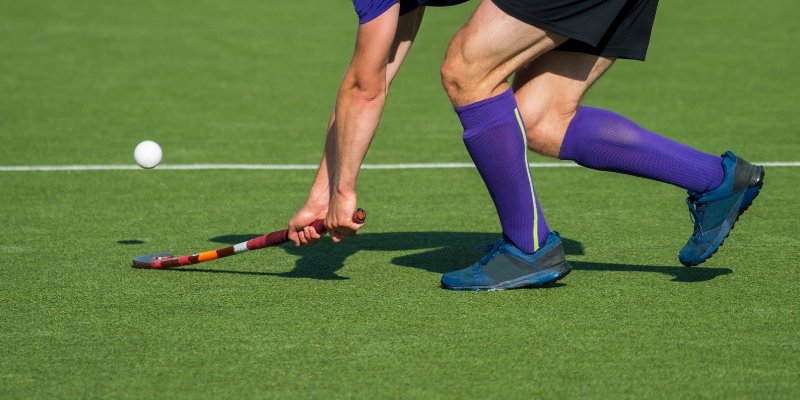
People usually notice the color of a hockey field first. Players notice the feel. The moment a match starts, small things become obvious. The ball either glides smoothly or slows down strangely. Shoes either grip naturally or feel slightly unstable during quick turns. Even the way your legs feel after practice can change depending on what’s underneath the turf.
That’s why materials matter so much during Artificial hockey turf installation. A hockey field is not just green carpet rolled across the ground. It’s a combination of layers working together to handle movement, weather, ball speed, drainage, and player comfort. And honestly, when corners are cut during installation, players usually figure it out pretty quickly.
The Turf Fibers Do More Work Than People Realize
Most players don’t stand around discussing turf fibers, but they definitely feel the difference while playing. Good-quality artificial hockey grass helps the ball move consistently and gives players more confidence while running or changing direction. Cheap surfaces tend to flatten faster, especially around high-traffic areas like goalposts and midfield sections.
One coach described it perfectly after a local tournament. He said some fields feel “alive” because the ball keeps moving naturally, while others feel slow and uneven after just a few games. That usually comes down to the quality of the turf fibers.
Poor-quality surfaces often create problems like:
- Uneven ball roll
- Faster wear in certain areas
- Rougher movement during slides
- Patchy-looking sections after regular use
And once players start noticing those inconsistencies, the field stops feeling reliable.
Why Polyethylene Became So Popular
Most modern hockey fields now use polyethylene fibers, mainly because they feel more comfortable during play.
Older synthetic surfaces used to feel rough and stiff. Players accepted it because there weren’t many alternatives at the time. But sports surfaces have changed a lot over the years.
Polyethene feels softer without becoming weak. That balance matters during:
- Sliding tackles
- Diving saves
- Quick footwork drills
- Long practice sessions
A few players who trained on older turf systems often say the newer surfaces feel easier on the body, especially during repetitive drills. Not softer in a sinking way — just less harsh overall.
The Base Layer Quietly Controls Everything
Funny enough, one of the most important parts of the field is something players never actually see. The base underneath the turf controls stability, drainage, and long-term durability. If the groundwork is rushed, problems slowly start appearing no matter how expensive the top surface looks initially.
During proper sports turf installation, installers spend a lot of time preparing the lower layers because even small uneven areas can affect gameplay later.
A strong base helps:
- Keep the field level
- Prevent sinking spots
- Improve water drainage
- Support smoother ball movement
One installer once compared turf construction to building a road. If the base underneath shifts, the surface eventually shows it too. Honestly, that’s probably the easiest way to explain it.
Shock Pads Change How the Field Feels
Older hockey grounds used to feel extremely hard after long practice sessions. Players just accepted sore knees and tired ankles as part of training.
That mindset has changed quite a bit. Many modern fields now include shock pads underneath the turf system. These cushioning layers absorb part of the impact created during running, jumping, and sudden stops. Players usually notice the difference after training, not during the first five minutes. The body simply feels less beaten up afterwards.
Good shock padding helps:
- Reduce pressure on joints
- Make movement feel smoother
- Improve comfort during long sessions
- Create softer landings during falls
One academy upgraded its training field a few years ago, and players immediately started mentioning that evening practice felt less exhausting on their knees. Same drills. Same training intensity. Different surface underneath.
Sand Infill Still Matters a Lot
A lot of people assume the visible turf does all the work, but infill materials are important too. Most hockey surfaces use sand between the turf fibers to help them stay upright and stable. Without proper infill, the surface starts flattening faster, and ball movement becomes less predictable.
And surprisingly, not all sand works equally well.
Poor-quality infill can lead to:
- Dust buildup
- Uneven surface speed
- Drainage issues after rain
- Faster wear on the turf
Experienced installers usually pay close attention to infill quality because fixing mistakes later becomes expensive and frustrating.
Drainage Usually Gets Attention Too Late
Nobody talks about drainage during sunny weather. Then heavy rain arrives, and suddenly everyone notices it. A field with poor drainage starts collecting puddles almost immediately. Ball movement becomes inconsistent, slippery spots appear, and maintenance problems start building up.
That’s why professional synthetic hockey turf systems include drainage layers underneath the surface to move water away properly.
Good drainage helps keep:
- The field safer after rain
- The surface more consistent
- Maintenance easier long-term
- The lower layers protected from water damage
Facility owners often appreciate good drainage much more after the monsoon season than during installation itself.
The Smallest Details Usually Cause Big Problems Later
One thing many people overlook is seam quality. Large hockey fields are made by joining multiple turf sections together. If those joints are weak, the surface eventually starts separating in certain areas.
At first, the gaps may look minor. Later, they become annoying during actual gameplay.
Weak seams can cause:
- Raised edges
- Uneven movement spots
- Surface separation
- Faster damage around joins
Good installers pay serious attention to these details because they know players eventually notice every uneven section.
Better Materials Usually Mean Less Maintenance Trouble
Every hockey field needs maintenance eventually. There’s no avoiding that completely. But better materials usually make life easier for facility owners over time.
Well-built fields generally:
- Hold their shape longer
- Drain more efficiently
- Need fewer repairs
- Stay playable more consistently
A school sports manager once said they stopped dealing with constant patchwork repairs after upgrading to better-quality turf materials. The field simply stayed stable for longer periods without regular fixes.
That reliability matters more than most people expect.
Different Fields Need Different Material Choices
Not every hockey field handles the same type of usage.
A professional stadium has very different needs compared to a school practice ground. Training academies usually care more about durability and player comfort because athletes spend hours practicing daily.
Tournament venues may focus more on:
- Faster ball movement
- Consistent playing speed
- Professional match conditions
That’s why experienced installers usually recommend materials based on actual field usage instead of pushing the same setup everywhere.
FAQs
How long does artificial hockey turf usually last?
A well-maintained hockey turf can last anywhere from 8 to 15 years. It really depends on how heavily the field is used and how well it’s maintained. Training grounds with daily practice sessions usually wear faster than recreational or school fields.
Which material is considered best for hockey turf fibers?
Polyethene is widely preferred because it balances durability with player comfort. It feels smoother during movement and generally performs better during regular sports activity compared to older synthetic materials.
Does artificial hockey turf require regular maintenance?
Yes, absolutely. Even high-quality turf needs regular brushing, cleaning, infill checks, and seam inspections. Small maintenance tasks help the surface stay consistent and prevent bigger repair problems later.
Final Thoughts
A hockey field may look simple from the outside, but there’s a lot happening underneath the surface. The turf fibers, base preparation, shock pads, drainage system, infill, and seam quality all affect how the field feels once players actually start using it. That’s why good artificial hockey turf installation is really about choosing materials that continue performing properly long after the field is built.
For schools, academies, and sports facilities, investing in better materials usually saves trouble later. Players feel more comfortable, ball movement stays consistent, and maintenance becomes far less stressful over time.
And honestly, once someone spends time on a properly built hockey turf, poorly installed fields become very easy to recognize.
