

Accurate employee hour tracking supports payroll processing, workforce planning, and attendance management across businesses of different sizes. Companies rely on attendance records to calculate wages, monitor overtime, and maintain operational visibility. The tracking method used can directly influence administrative efficiency and reporting accuracy.
Many organizations still use manual attendance methods, while others depend on software for tracking employee hours to automate workforce reporting. Businesses often compare both approaches based on cost, accuracy, scalability, and operational impact before selecting a workforce tracking method that fits their requirements.
How Manual Employee Hour Tracking Works
Manual employee-hour tracking relies on employees and managers recording attendance details without automated systems. Businesses commonly use spreadsheets, paper timesheets, attendance registers, or punch cards to track working hours and calculate overtime across departments and teams.
Some businesses continue to use manual systems because they require limited technical setup and a lower initial investment. However, manual attendance tracking becomes increasingly difficult to manage as the workforce size grows and reporting requirements become more detailed and time-sensitive.
Cost Challenges in Manual Hour Tracking
Manual attendance systems may appear affordable at first, but they often incur hidden operational costs that undermine long-term efficiency. Businesses that do not use software for tracking employee hours may experience several cost-related challenges, including:
- Administrative Workload: HR teams spend extra time manually reviewing and correcting attendance records.
- Payroll Corrections: Incorrect entries can create payroll disputes and increase recalculation efforts.
- Time Theft Risks: Weak verification processes may encourage buddy punching and inaccurate reporting.
- Delayed Reporting: Attendance data from multiple teams may take longer to consolidate and review.
These operational issues can gradually increase administrative workload and reduce payroll efficiency across organizations managing larger or distributed workforces.
Accuracy Issues in Manual Tracking Systems
Manual attendance systems rely heavily on employee input and managerial verification, which increases the likelihood of reporting errors. Businesses using manual tracking often experience several accuracy-related challenges, such as:
- Incorrect Entries: Employees may record inaccurate arrival or departure times during busy schedules.
- Missed Attendance Logs: Incomplete records may occur when employees forget to update timesheets.
- Inconsistent Recordkeeping: Different departments may maintain attendance records using different processes.
- Overtime Calculation Errors: Manual calculations can create discrepancies in payroll and overtime reporting.
These reporting inconsistencies can reduce workforce visibility and create additional complications in payroll processing, compliance reviews, and attendance verification.
How Software-Based Employee Hour Tracking Works
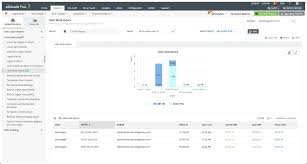
Software-based attendance systems automate employee hour recording through digital platforms such as mobile applications, biometric devices, desktop tools, and cloud-based portals. Employees can log work hours directly into centralized systems that organize attendance records automatically for managers and HR teams.
Digital tracking systems provide real-time visibility into attendance, overtime, and scheduling information across departments and locations. Many organizations also integrate attendance platforms with payroll systems to reduce repetitive manual calculations and simplify workforce reporting activities.
Cost Advantages of Software-Based Tracking
Software-based attendance systems may involve implementation costs, but they can improve operational efficiency over time by reducing repetitive administrative processes. Key cost-related advantages include:
- Reduced Administrative Effort: Automated systems lower the time required for attendance verification and reporting.
- Faster Payroll Processing: Centralized records simplify payroll approvals and reduce correction cycles.
- Improved Reporting Efficiency: Managers can quickly generate workforce reports using digital dashboards.
- Scalability Support: Automated systems can manage larger workforce volumes more efficiently.
These operational improvements can help businesses reduce long-term administrative expenses while improving workforce management efficiency and reporting consistency.
Accuracy Benefits of Digital Tracking Systems
Automation improves attendance accuracy by reducing reliance on manual calculations and fragmented recordkeeping. Businesses using digital attendance systems often benefit from several reporting improvements, including:
- Automated Calculations: Systems calculate work hours and overtime totals automatically.
- Real-Time Visibility: Managers can access updated attendance records throughout the workday.
- Standardized Records: Digital systems maintain consistent reporting formats across departments.
- Audit Support: Centralized records simplify attendance verification and compliance reviews.
Many organizations also use employee software tracking systems to improve workforce transparency and reduce attendance-related disputes across remote and hybrid work environments.
Comparing Manual and Software-Based Tracking
Manual and software-based attendance systems both support workforce management, but they differ significantly in operational efficiency and reporting reliability. Businesses commonly compare both methods using factors such as:
- Cost Efficiency: Manual systems may involve lower setup costs, while digital systems reduce long-term administrative expenses.
- Accuracy Levels: Automated systems reduce reporting and calculation errors more effectively than manual methods.
- Scalability: Manual tracking may suit smaller teams, while larger organizations often require automation.
- Operational Visibility: Digital systems provide faster attendance reporting and workforce insights.
Businesses should carefully evaluate workforce size, payroll complexity, and reporting requirements before selecting an attendance-tracking approach that supports long-term operational efficiency.
Conclusion
Manual and software-based employee hour tracking systems differ in cost, accuracy, and operational efficiency. Manual methods may work for smaller teams, while automated systems often support better scalability and reporting visibility. Businesses evaluating employee software tracking should consider workforce size, payroll complexity, and administrative requirements before choosing a system that supports long-term operational efficiency.
