

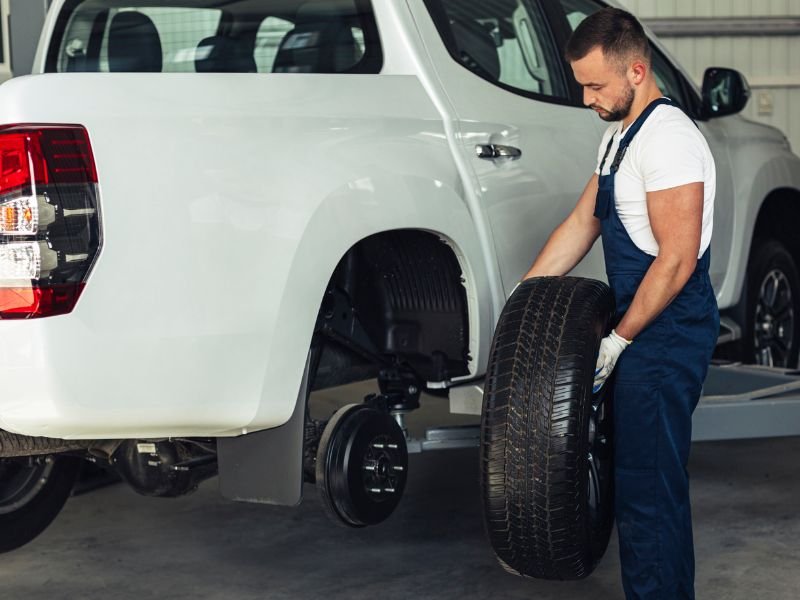
A lot of lifted trucks look impressive sitting still. The real difference shows up once they are actually driven every day. Some trucks still feel smooth on highways, stay stable during turns, and handle normal driving comfortably. Others become rough, noisy, and frustrating within the first few weeks.
That difference usually comes down to the setup itself. A truck can look aggressive from the outside while driving terribly during normal daily use.
More truck owners are starting to pay attention to how the vehicle performs after the modification instead of focusing only on appearance.
Some Lifted Trucks Feel Great Until You Drive Them Daily
A lift kit may look good immediately after installation, but daily driving usually reveals whether the setup was done properly or not.
Drivers often notice problems like:
- Rough highway driving
- Steering that feels loose
- Constant vibration at higher speeds
- Difficult turning in tight spaces
- Reduced comfort during long drives
A lot of these issues happen because people rush into oversized setups without thinking about how the truck will actually be used every day.
What feels exciting during the first week can become annoying very quickly once the truck becomes harder to drive regularly.
The Suspension Setup Decides Almost Everything
Many drivers focus heavily on tire size and forget that suspension quality affects nearly every part of the driving experience.
A proper setup affects:
- Ride comfort
- Vehicle balance
- Steering response
- Highway stability
- Suspension movement
Cheap suspension parts usually create problems over time. The truck may feel unstable on uneven roads or bounce excessively after hitting bumps.
Some setups look fine visually but completely change how the truck handles during normal driving. That is why suspension quality matters far beyond appearance alone.
A well-balanced lift setup should still feel controlled instead of unpredictable.
Tire Choice Can Completely Change the Driving Experience
The tires play a major role in how a lifted truck behaves on the road. Larger tires may improve appearance and ground clearance, but they also affect handling and comfort.
Drivers may notice changes in:
- Road noise
- Fuel usage
- Steering feel
- Braking response
- Acceleration performance
Aggressive off-road tires can become loud during highway driving. Heavier tire setups may also change how quickly the truck responds during braking or turning.
Some drivers enjoy that tradeoff, while others realize they prefer a more balanced setup for daily commuting.
The important part is choosing tires that match how the truck is actually driven most of the time.
Height Alone Does Not Make a Truck Better
A taller truck does not automatically drive better. In some cases, excessive lift height creates more problems than benefits.
Overlifting can lead to:
- Reduced stability
- Parking difficulties
- Extra suspension stress
- Faster tire wear
- Rougher daily driving feel
Some drivers get caught up chasing appearance without considering practicality. The truck may end up looking aggressive while becoming uncomfortable during basic driving situations.
Balanced setups usually age better because they keep the truck usable both on and off the road.
A good lift should improve the driving experience instead of making it frustrating.
The Trucks That Drive Best Usually Have Balanced Setups
The lifted trucks that feel smooth and stable usually have one thing in common. Every part of the setup works together properly.
That often includes:
- Correct tire sizing
- Proper wheel fitment
- Quality suspension parts
- Professional alignment
- Balanced ride height
Drivers often underestimate how important alignment becomes after lifting a truck. Poor alignment quickly creates uneven tire wear and unstable steering feel.
Good setups usually feel controlled instead of overly stiff or unpredictable.
That balance is what separates a truck that simply looks lifted from one that actually drives well every day.
Drivers Usually Notice Problems After the Lift Is Already Done
A lot of issues do not appear immediately after installation. Problems usually show up after regular driving starts.
Some common complaints include:
- Uneven tire wear
- Steering vibration
- Rough braking feel
- Highway instability
- Extra maintenance costs
Drivers often blame the truck itself when the real issue comes from poor setup choices or improper installation.
That is why rushing through modifications usually becomes expensive later. Fixing bad fitment or suspension problems often costs more than doing the setup correctly from the beginning.
Good Installation Matters More Than Most Drivers Expect
A lot of drivers searching for lift kits Katy, TX, focus mainly on how the truck will look afterward. The installation quality matters just as much because even expensive parts can drive badly if the setup is done incorrectly.
Proper installation affects steering feel, suspension movement, tire wear, and overall road stability. Small mistakes during installation often become obvious during highway driving or longer trips.
A well-built lifted truck should still feel comfortable enough for daily use while handling rough roads more confidently.
For drivers looking for dependable lift kit installation and practical truck setups, Morton Tire & Wheels is one of the names many local truck owners continue trusting for upgrades that actually feel good to drive.
