

Water quality is a topic that South Africans think about more seriously than people in many other parts of the world. Between ageing municipal infrastructure, seasonal contamination events, and the ongoing pressure on water systems in major urban centres, the question of what actually comes out of the tap is not an abstract one. It is a daily reality that shapes how families cook, drink, and think about their health. Tap water filters South Africa households rely on have become less of a luxury purchase and more of a practical necessity for anyone who pays attention to what they are consuming.
The Real State of Tap Water in South Africa
Municipal water in South Africa is treated before it reaches homes, but treatment and purity are not the same thing. The pipes that carry water from treatment facilities to taps vary enormously in age and condition. Older infrastructure, particularly in established suburbs and inner city areas, introduces its own set of contaminants along the way. Rust, sediment, and in some cases lead from older plumbing all find their way into water that technically left the treatment plant meeting required standards.
Beyond infrastructure, South Africa has experienced a number of high profile water quality incidents in recent years. Residents in several cities have been warned about elevated levels of bacteria, nitrates, or chemical residues at various points. These incidents have pushed more households toward filtration as a permanent solution rather than a temporary response.
Tap water filters South Africa consumers are investing in are not a reaction to panic. They are a sensible and measured response to a genuine and documented set of concerns about what unfiltered tap water actually contains.
Kitchen Filtration Options Worth Understanding
The kitchen is where water quality matters most in practical terms. Drinking water, cooking water, water used to wash fruit and vegetables all come from the kitchen tap. Getting that water right has a direct impact on taste, on food quality, and on long term health.
The market for tap water filters South Africa wide has expanded considerably over the last several years. There are now options across every price point and for every type of kitchen setup. Understanding the main categories helps narrow down what actually suits a specific household.
Tap mounted filters attach directly to the faucet and filter water as it flows through. They are easy to install, easy to remove, and work immediately. For households that rent or prefer not to make permanent changes to their kitchen, this style offers genuine convenience without sacrificing filtration quality.
Under sink systems sit out of sight and connect to the existing plumbing. They handle larger volumes, often last longer between cartridge changes, and keep the countertop completely clear. The installation is slightly more involved but most homeowners manage it without professional help.
Why Countertop Filters Have Found Such a Loyal Following
Among all the filtration options available, the countertop water filter South Africa market has seen some of the strongest and most consistent growth. The reasons for this are straightforward once laid out.
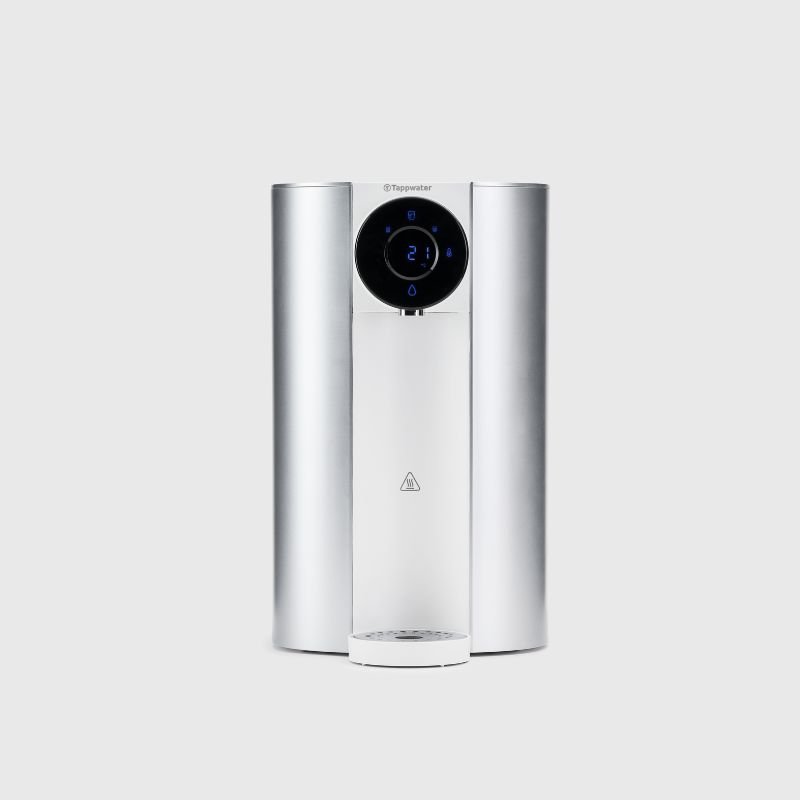
A countertop water filter South Africa households favour sits on the kitchen bench, connects to the tap with a simple diverter valve, and requires no permanent installation whatsoever. It can be moved to a new home, taken to a rental property, or repositioned in the kitchen without any fuss. For a country where many people move between rentals or live in complexes with restrictions on plumbing modifications, this flexibility is not a minor benefit. It is often the deciding factor.
Performance has also improved markedly. Earlier countertop models were sometimes criticised for slow flow rates and limited filtration scope. Modern units use multi stage filtration combining activated carbon, ceramic, and in some cases ultrafiltration membranes that address bacteria, sediment, heavy metals, chlorine, and chemical compounds in a single pass. The water that comes out tastes clean because it genuinely is cleaner.
What to Look for When Choosing Tap Water Filters in South Africa
South African water conditions vary significantly by region. Cape Town water has different characteristics from Johannesburg water, which differs again from water in coastal KwaZulu Natal areas. A filter that works well in one city is not automatically the right choice in another.
Checking the local municipality’s annual water quality report gives a useful starting point. These reports identify the specific contaminants present at levels worth addressing and that information points directly toward which filtration technology handles the local water profile most effectively.
Certification and Filter Lifespan
Certification from recognised independent bodies is the clearest signal that a filter actually performs as claimed. Many tap water filters South Africa retailers stock carry international certifications that verify removal rates for specific contaminants. Choosing certified products removes a significant amount of guesswork from what is ultimately an important health related decision.
Filter lifespan affects the true cost of ownership significantly. A unit that seems affordable to buy but requires monthly cartridge replacement adds up quickly over a year. Calculating annual running costs rather than focusing only on the upfront price gives a more honest comparison between competing options.
