

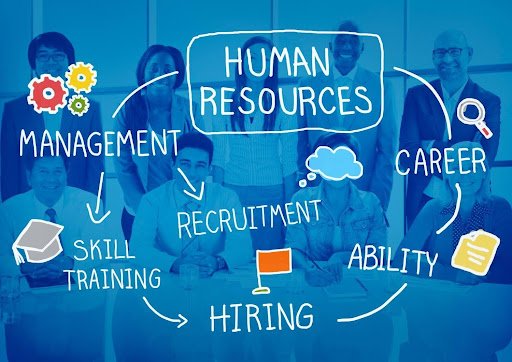
In today’s highly competitive business environment, companies are constantly trying to scale faster while keeping operational costs under control. Hiring the right people at the right time has become one of the most important factors that directly influence business growth, productivity, and long-term success. However, recruitment is no longer a simple process of filling vacancies; it now involves strategic planning, skill alignment, compliance management, and long-term workforce development.
For many growing organisations, managing this entire process internally can become overwhelming and resource-heavy. This is where professional hiring support plays a major role in simplifying operations and improving efficiency. Many companies now rely on the best talent management service in Saudi Arabia to streamline recruitment, improve workforce quality, and support business expansion in a structured way.
When businesses have access to the right talent at the right time, they can focus more on innovation, customer experience, and growth instead of getting stuck in hiring challenges.
Why Talent Management Has Become a Business Priority
Modern businesses operate in a fast-moving environment where delays in hiring can directly impact revenue, project timelines, and client satisfaction. Talent is no longer just a support function; it is a core business driver.
Effective talent management ensures that companies are not only hiring employees but building a structured workforce aligned with their long-term goals. This includes identifying skill gaps, planning future hiring needs, and ensuring that every new hire contributes meaningfully to business performance.
At the same time, companies are realising that recruitment is not just about availability but about quality, cultural fit, and long-term retention. Poor hiring decisions can lead to high turnover, increased costs, and reduced productivity, making structured workforce planning essential for sustainable growth.
Role of Strategic Hiring Partners in Long-Term Business Stability
As businesses grow, hiring stops being just an operational task and becomes a long-term strategic function. Companies that scale successfully usually don’t depend only on internal HR teams; instead, they collaborate with external experts who understand market demand, skill availability, and regional compliance requirements.
A strong hiring partner helps organisations maintain consistency in workforce quality while adapting quickly to changing business needs. This becomes especially important in fast-growing markets where talent demand can shift suddenly across industries.
By working with structured hiring support systems, businesses can reduce uncertainty in recruitment and ensure that every hire contributes to long-term stability. This also helps leadership teams focus more on strategy and expansion rather than getting stuck in day-to-day hiring challenges.
Challenges Businesses Face in Modern Hiring
Even with access to global talent pools and digital recruitment platforms, many companies still struggle with hiring efficiency. The biggest challenges often include:
- Finding qualified candidates quickly in competitive markets
- Managing complex legal and compliance requirements
- High recruitment and onboarding costs
- Lack of internal HR capacity for large-scale hiring
- Difficulty in retaining skilled employees over time
These issues can slow down business expansion and create operational bottlenecks, especially for companies entering new regions or scaling rapidly. As a result, many organisations are shifting toward more structured and flexible hiring models that reduce internal workload while improving hiring quality.
The Shift Toward Smarter Workforce Solutions
To overcome these challenges, businesses are increasingly adopting modern workforce strategies that focus on efficiency, scalability, and long-term sustainability. Instead of handling everything internally, companies are now integrating external expertise into their hiring processes.
This approach allows businesses to design more flexible workforce structures, improve hiring speed, and ensure better alignment between business needs and available talent. It also helps organisations stay agile in changing market conditions, where demand for specific skills can shift quickly.
One of the key approaches gaining popularity in this space is outsourced talent management, where companies delegate recruitment, onboarding, and workforce administration to specialised service providers. This helps reduce internal workload while ensuring access to highly skilled professionals without long hiring delays.
Benefits of Structured Talent and Workforce Strategies
When companies adopt a well-planned talent strategy, the impact goes far beyond just filling positions. It directly contributes to long-term business stability and growth.
Some of the key benefits include:
- Faster hiring cycles and reduced time-to-fill roles
- Improved employee quality and better role fit
- Lower operational and recruitment costs
- Better compliance with local labor laws and regulations
- Stronger workforce planning aligned with business goals
These advantages help companies build a more reliable and scalable workforce, which is essential for sustained growth in competitive industries.
How Smarter Hiring Drives Business Growth
Businesses that invest in structured hiring strategies are able to scale faster because they eliminate one of the biggest operational bottlenecks: recruitment delays. When hiring becomes more efficient, projects start on time, teams remain productive, and business goals are achieved without unnecessary interruptions.
Additionally, companies with strong workforce systems are better positioned to expand into new markets. They can quickly deploy talent, adapt to new demands, and maintain consistency in operations even during periods of rapid growth.
A well-managed talent system also improves employee satisfaction, as the right people are placed in the right roles, leading to higher engagement and lower turnover rates.
Conclusion
In today’s evolving business landscape, companies can no longer rely on traditional hiring methods if they want to grow efficiently and stay competitive. Workforce management has become a strategic function that directly influences business performance, scalability, and long-term success.
Organisations that invest in structured hiring systems and modern workforce strategies are better equipped to handle market challenges, reduce operational inefficiencies, and build strong, future-ready teams. Ultimately, success depends not just on hiring talent but on managing it effectively to drive sustainable business growth.
Businesses today need reliable support to manage operations and grow smoothly in competitive markets. Strong service partners help reduce complexity and improve efficiency across key business functions. Innovation-SA provides integrated business support solutions that assist companies with operations, setup, and workforce-related needs in the region. It helps organisations focus on growth while handling essential backend processes more efficiently.
