

There is a strange kind of peace that enters a home when a pooja mandir becomes part of everyday life.
Not the loud, dramatic kind people talk about online. It is quieter than that.
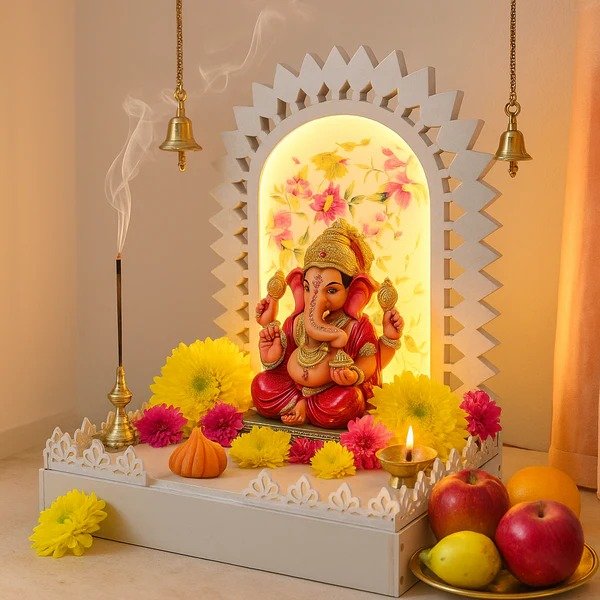
It shows up in small moments. The soft sound of a bell early in the morning. The smell of incense slowly spreads through the room after a long day. A grandmother is fixing fresh flowers near the idols while everyone else is still half asleep. Someone is sitting silently for two minutes before work because life suddenly feels too fast.
That is what a mandir really brings into a home.
For many families living in Australia, creating a spiritual corner is less about decoration and more about holding onto a feeling—peace, familiarity, comfort, culture, or faith. A thoughtfully designed classic pooja mandir for the home often becomes the one place in the house where people feel emotionally settled, even on stressful days.
And honestly, that feeling matters more than expensive interiors ever will.
It Becomes the Quiet Heart of the Home
Every house has a centre.
Sometimes it is the kitchen and sometimes it is the dining table where everyone argues, laughs, and shares tea. In many Indian homes, though, the emotional centre quietly becomes the pooja space.
Not because people spend hours there.
Because life naturally keeps returning to it.
Parents stop there before leaving for work. Children run there during Diwali because they want to light diyas. Grandparents sit nearby in the evening listening to bhajans softly playing in the background. Even guests somehow notice the calmness of that corner without anyone pointing it out.
One family in Brisbane shared something interesting after moving into their first home. They said the house looked beautiful after furnishing it, but it still felt incomplete. A little too polished. A little too empty emotionally.
A month later, they installed a small wooden mandir near a sunny corner beside the living room.
That changed everything.
Morning prayers started happening naturally. Festivals felt warmer. Even regular weekdays somehow felt calmer. Their young daughter began placing flowers there every Sunday because she liked “making the space cheerful.”
That sentence alone explains why spiritual spaces matter.
Traditional Designs Carry Memory Inside Them
There is a reason traditional mandirs remain popular.
A carved wooden mandir does not just look beautiful. It reminds people of something familiar. Maybe childhood mornings at grandparents’ homes. Maybe temple visits during festivals. Maybe the comforting smell of incense during family prayers years ago.
Those emotional associations stay with people longer than they realise.
A well-crafted traditional home temple carries warmth because it feels connected to real life instead of showroom styling. The wood feels natural. The brass bells age slowly over time. Tiny carvings hold imperfections that somehow make the entire piece feel more alive.
Modern furniture often feels replaceable.
A mandir usually does not.
Families keep them for years because memories slowly collect around them.
The Lighting Changes Everything
This sounds simple, but anyone who has set up a prayer space properly will understand immediately.
Lighting changes the feeling of the entire area.
A bright white light from above can make the space feel ordinary. But one diya glowing softly in the evening? Entirely different atmosphere.
The room suddenly feels calmer.
Some people use warm LED lighting behind the mandir panels. Others prefer traditional brass lamps because they love the natural flicker during evening prayers. A few position the mandir near a window so the morning sunlight naturally falls across the idols.
None of this needs to feel fancy.
That is the beauty of it.
Even the smallest setup can feel deeply peaceful when the lighting feels warm and gentle. Many people searching for the best mandir for home are actually searching for that emotional experience without even realising it.
They want the home to feel softer at the end of the day.
Fragrance Has a Powerful Emotional Effect
It is almost impossible to separate spirituality from fragrance.
The smell of sandalwood incense. Fresh marigold flowers during festivals. Camphor during evening aarti. Even the faint scent is left behind after a diya burns out.
These things stay in memory.
One couple in Melbourne mentioned that after moving overseas, the smell of incense during prayer time made them feel emotionally connected to home again. It reminded them of mornings with their parents back in India.
That is why a pooja mandir for the home affects more than just the appearance of a room. It changes the emotional atmosphere completely.
And strangely, people feel it almost immediately.
You walk into a room with soft prayer music, warm lighting, and the faint smell of sandalwood, and your body naturally relaxes a little. Nobody teaches that reaction. It just happens.
Small Rituals Slowly Shape the Energy of the House
The most meaningful part of a pooja mandir is not the carving, the size, or even the design.
It is repetition.
Tiny rituals repeated daily slowly build emotional comfort inside a home.
A father folds his hands quietly before leaving for work. A mother cleans the mandir every morning before breakfast. Kids are trying to sing the aarti, but they forget half the words and laugh halfway through.
Those moments create emotional warmth that people remember for years later.
And honestly, most families are not trying to create some perfect spiritual routine. Real homes are messy. Busy. Loud sometimes.
Still, simple habits make a difference:
- Lighting a diya in the evening
- Keeping fresh flowers nearby
- Sitting quietly for a few peaceful minutes
- Cleaning the prayer space regularly
- Gathering together during festivals and special occasions
Over time, these routines make the mandir feel emotionally alive.
That is why many people become deeply attached to their traditional home temple, even if the design itself is simple.
Modern Homes Still Crave Warmth
Many modern interiors look beautiful in photos but feel emotionally cold in real life.
Everything matches perfectly, yet something feels missing.
That is one reason prayer spaces still matter today, especially in modern Australian homes. A mandir adds emotional warmth in a way very few décor pieces can.
It brings balance.
The softness of wood, the warm glow of a diya, and the presence of rituals — all of it makes a home feel more lived in and personal.
And thankfully, mandir designs today blend beautifully with contemporary spaces. Wall-mounted units, minimal wooden designs, and compact handcrafted temples fit naturally into modern apartments without looking heavy or outdated.
A thoughtfully chosen classic pooja mandir for the home does not overpower a room.
It quietly grounds it.
Choosing the Right Mandir Feels More Emotional Than Expected
Most people think they are shopping for furniture until they actually begin looking.
Then suddenly they start saying things like
“This one feels peaceful.”
Or:
“This reminds me of home.”
That emotional reaction matters.
Some families prefer detailed carvings. Others love simple wooden finishes with clean lines. Some want large traditional setups, while others need compact designs for apartments.
But the right temple usually creates an immediate emotional connection.
Not because it is expensive.
Because it feels comforting.
That is often the real reason people spend so much time looking for the best mandir for their home. They are trying to create a feeling that their family will live with every day.
Final Thoughts
A pooja mandir creates divine vibes because it changes the emotional energy of a home little by little, day after day. Through soft lighting, calming fragrances, meaningful rituals, and traditional craftsmanship, it creates a space where people feel peaceful, connected, and emotionally grounded.
And in a world where life constantly feels rushed and noisy, that kind of quiet comfort inside a home becomes incredibly valuable.
