

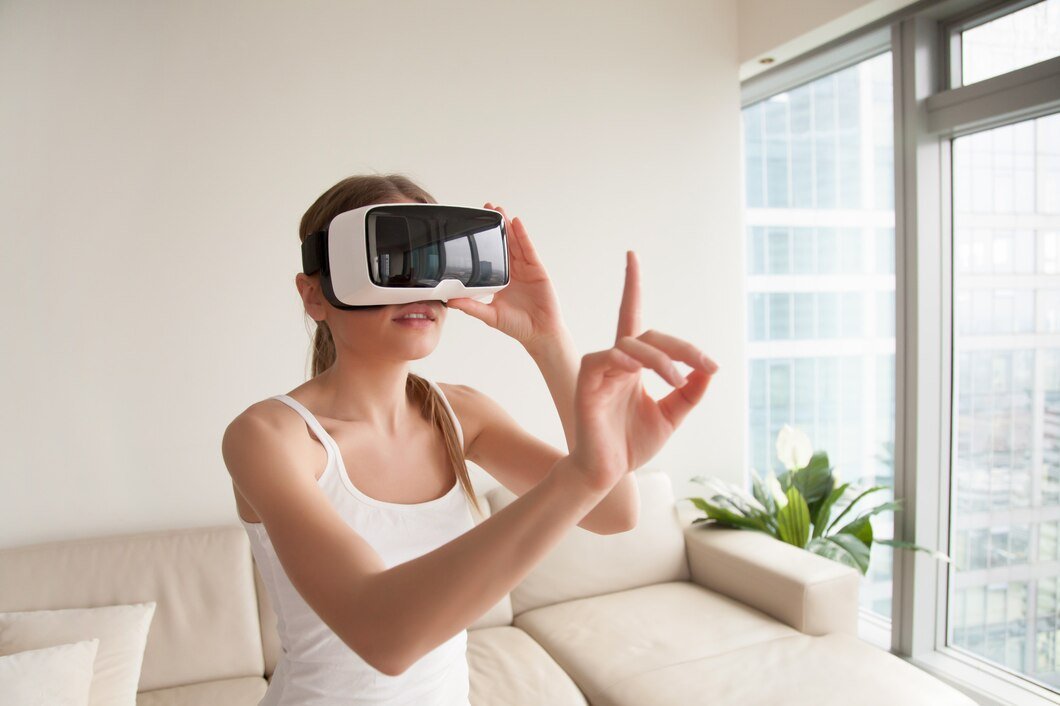
The real estate business has been characterized by physical presence, such as the solid handshake, the open house on Sundays, and the gut feeling of entering a front door. Nonetheless, with the passage of 2026, the classical map of property sales is being digitized. VR in Real Estate is no longer the idea of the future that belongs to technology enthusiasts; it is the foundation of high-performance marketing.
As the world markets become more interconnected, property developers and agents are resorting to Virtual Reality in Real Estate in order to bridge the gap between imagination and investment. Implausible skyscrapers walkthroughs to the next with hyper-realism, to the real-time staging of empty suburban houses, immersive technology is transforming the purchase and sale, and the way we experience space.
The Rise of Immersive Property Marketing
The transformation to Virtual Reality solutions has been driven by the need to have efficiency and accessibility on a global scale. According to recent industry statistics released at the beginning of 2026, listings with virtual tours get much more interaction than listings whose only images are static.
As a matter of fact, studies show that more than three-quarters of homebuyers give their highest priority to those listings that have immersive 3D walkthroughs, and almost half of all luxury buyers are now okay to make an offer by only viewing a virtual experience.
Why VR is Transforming the Sales Cycle
- Global Reach: New York investors will be able to visit a luxury penthouse in Dubai without traveling a mile. VR in Real Estate eliminates geographical boundaries, and agencies can exploit a global reservoir of customers.
- Time Efficiency: To both agents and clients, it is true that they exhibit fatigue. Virtual tours serve as a sorting mechanism, so that they can keep a phone call reserved for serious, high-intent leads.
- Emotional Connection: An immersive experience enables a buyer to have a feel of the size of the property as opposed to a 2D floor plan.
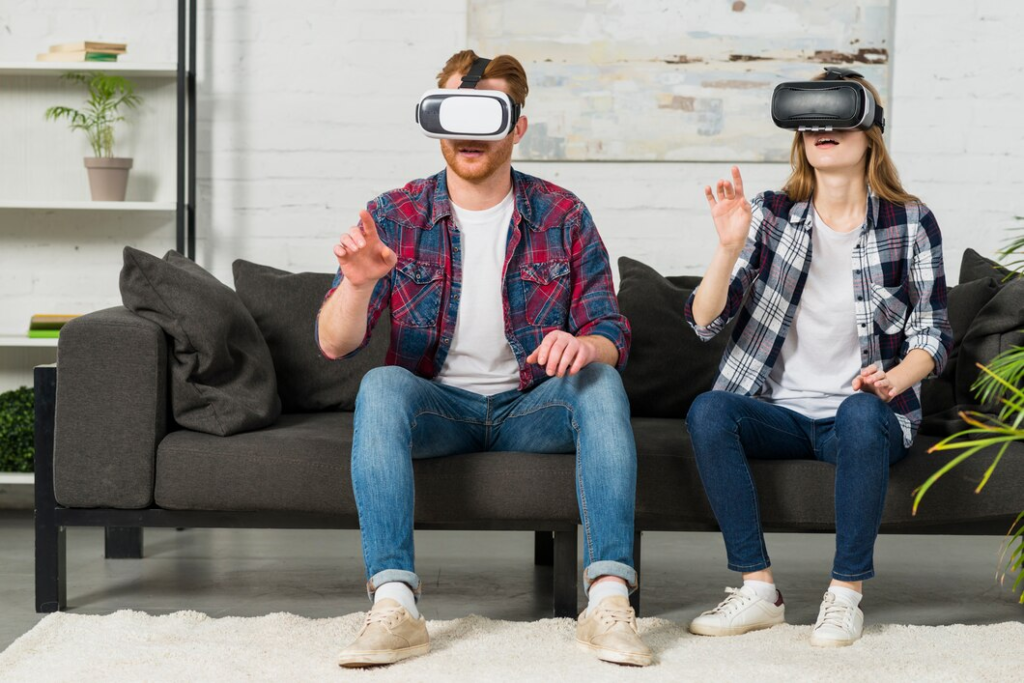
Beyond Tours: The Impact of AR and XR in Real Estate
Although VR offers a completely simulated online space, other components of Extended Reality (XR) are just as popular. The new AR services enable prospective tenants to point their phones at an unoccupied room and immediately view it as being filled with luxury items.
This is called virtual staging, and it is capable of cutting down on physical staging expenses by approximately a staggering 97, and that is a huge marketing margin increase.
The Role of XR in Real Estate Development
The Extended Reality (XR) in Real Estate, which includes Virtual, Augmented, and Mixed Reality, is especially revolutionizing in the case of off-plan sales. Before the first brick is laid, developers are now able to demonstrate a completed project.
- Architectural Visualization: Interactive 3D configurators allow prospective purchasers to tour around various apartment patterns and choose the finishes in real-time.
- Infrastructure Overlay: With AR, investors are able to stand on an empty piece of land and view a digital map of what the building will look like in the future, including the parks and other local amenities.
Boosting ROI with Virtual Reality Solutions
Virtual Reality in Real Estate is not a cool factor, but a business decision made. Since the worldwide market size of VR is set to reach or surpass 30 billion by the close of 2026, the segment most likely to excel in terms of growth is the enterprise sector, in this case, real estate, because of the demonstrated ROI.
Shortening the Sales Cycle
With 360-degree views of projects and with VR being highly realistic, the developers can ensure bookings at the pre-launch time, months before the real construction begins. Such a degree of pre-construction confidence can be achieved only via high-fidelity immersion. Moreover, VR experiences create more engagement, which reduces the cost per lead considerably.
Overcoming the Digital Hurdle
Although the benefits are obvious, there are smaller firms that have not been keen in the past because they are seen to be expensive. The entry barrier has, however, fallen considerably in 2026. With the introduction of WebXR, users can now view immersive content in the browser, without having to purchase costly and specialized hardware on a client-by-client basis.
The price of failing to implement VR in Real Estate, losing technology-sensitive Gen-Z and Millennial consumers to more technologically advanced competitors, is now much greater than the initial bill in content creation.
Conclusion
The introduction of VR to the Real Estate business has not only ceased to be a luxury feature, but it has become a necessity. With the physical and digital worlds coming together, platforms such as the VYUG Metaverse are on the frontline and provide hyper-realistic digital twins and the chance of virtual lands, which revolutionize ownership.
