

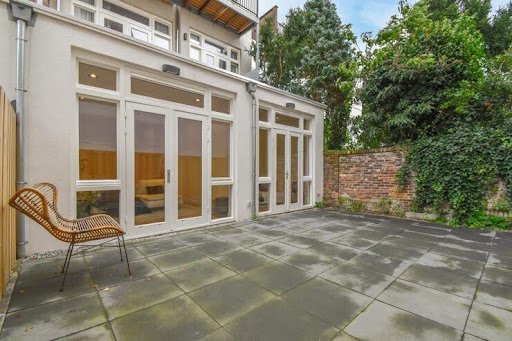
Modern homes increasingly focus on open layouts, natural lighting, and energy-efficient construction. As homeowners continue upgrading living spaces to improve comfort and functionality, sliding patio doors have become one of the most preferred architectural features in residential design. Choosing the right patio sliding door supplier is important because door quality, glazing technology, frame materials, and installation standards directly influence long-term performance and energy efficiency.
Sliding patio doors are designed to create a seamless connection between indoor and outdoor spaces while maximizing natural light and improving ventilation. Unlike traditional hinged doors, sliding systems operate horizontally along tracks, making them highly space-efficient and suitable for compact and large homes alike. Modern patio doors are now available with advanced insulation systems, reinforced security features, and energy-efficient glazing designed to reduce heat transfer and improve indoor comfort.
Understanding How Sliding Patio Doors Work
Sliding patio doors typically consist of large glass panels installed within aluminum, vinyl, wood, or composite frames. One or more panels slide horizontally along precision tracks while stationary panels remain fixed. This design allows homeowners to maintain wide outdoor views without requiring additional swing space inside or outside the room.
Modern sliding systems often include double-pane or triple-pane glass, low-emissivity coatings, thermal breaks, and airtight sealing systems to improve insulation performance. Industry experts also emphasize the importance of weatherstripping and proper installation because poor sealing can lead to drafts, condensation, and energy loss.
Benefits of Sliding Patio Doors
Sliding patio doors continue gaining popularity because they combine functionality, energy efficiency, and aesthetic appeal.
Increased Natural Light
Large glass surfaces allow more daylight to enter interior spaces, making rooms appear brighter and more open. Many homeowners choose sliding systems specifically to improve indoor lighting and create a stronger connection with outdoor areas.
Space-Saving Design
Unlike hinged doors that require clearance space for opening and closing, sliding doors move along tracks. This makes them ideal for smaller rooms, patios, balconies, and compact layouts where maximizing usable space is important.
Improved Energy Efficiency
Modern patio doors are designed with advanced insulation technologies such as low-E glass, gas-filled glazing units, insulated frames, and thermal barriers. These features help reduce heat transfer and maintain indoor temperature stability throughout the year. Some energy-efficient patio doors may also contribute to lower heating and cooling costs.
Enhanced Ventilation
Sliding doors allow controlled airflow while maintaining easy access to outdoor spaces. Wider openings can improve indoor air circulation and create more comfortable living environments during favorable weather conditions.
Better Outdoor Views
Because sliding systems use large glass panels with slimmer frames, they provide clearer outdoor visibility compared to traditional door styles. Many homeowners prefer sliding patio doors for gardens, patios, pools, and scenic outdoor areas.
Factors to Consider When Choosing Patio Doors
Several factors should be evaluated before selecting patio doors for residential or commercial projects.
Frame Materials
Frame material affects durability, maintenance, and insulation performance. Vinyl and composite frames generally offer strong thermal insulation, while modern thermally broken aluminum systems provide durability with improved energy efficiency.
Glass Technology
Double-glazed and triple-glazed units improve insulation and reduce outside noise. Low-emissivity coatings and gas-filled glass systems also help improve thermal performance and reduce solar heat gain.
Security Features
Modern patio doors often include multi-point locking systems, reinforced tracks, secondary locking mechanisms, and impact-resistant glass for improved security and safety.
Installation Quality
Professional installation is essential to ensure smooth operation, airtight sealing, and long-term durability. Poor installation can negatively affect energy efficiency and operational performance over time. Discussions within construction communities also emphasize that experienced installers play a major role in achieving proper fit and functionality.
Conclusion
Sliding patio doors continue to play a major role in contemporary residential design because they combine energy efficiency, natural lighting, space-saving functionality, and visual appeal. Selecting a reliable patio sliding door supplier helps ensure better product performance, improved insulation, and long-term durability for modern living spaces. With advances in glazing technology, frame engineering, and weather-resistant construction, sliding patio doors remain one of the most practical upgrades for homeowners seeking comfort and efficiency.
Homeowners planning renovation projects also frequently research trusted window and door suppliers to compare materials, energy ratings, installation quality, and long-term maintenance requirements for modern patio door systems.
