

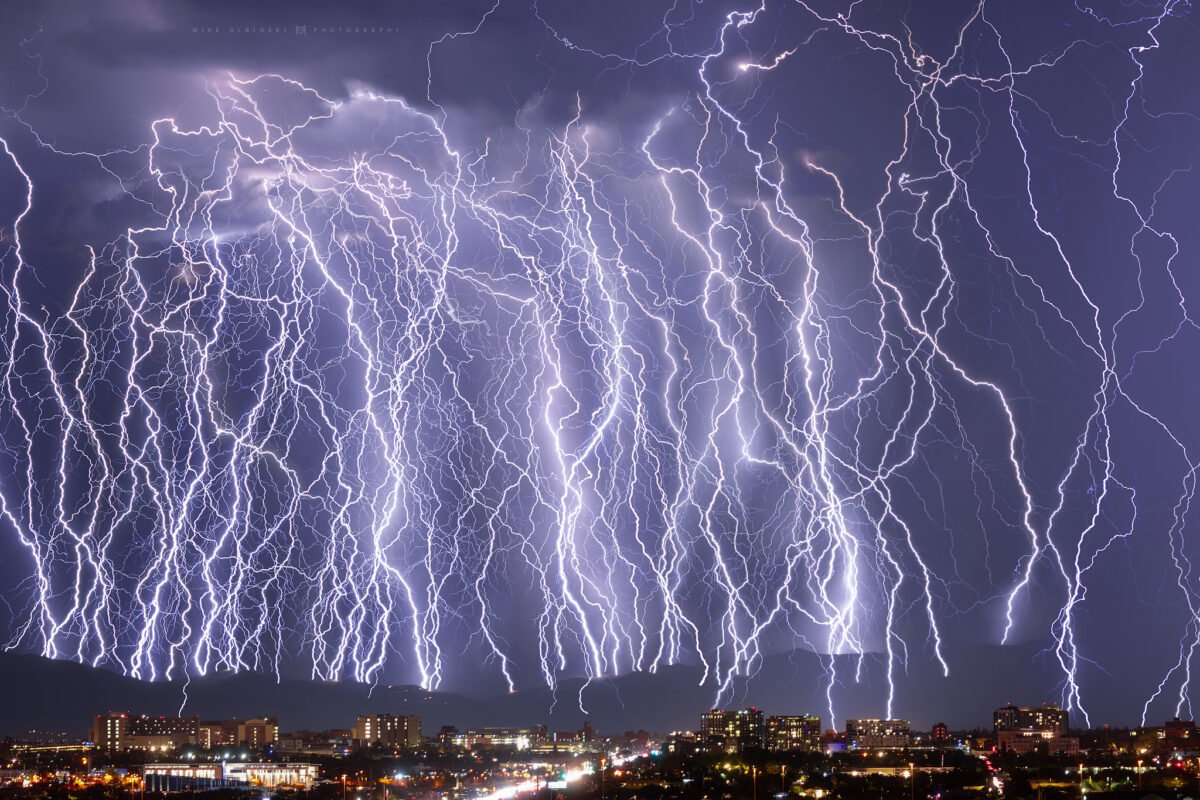
Arizona’s monsoon season is one of the most astonishing natural events in the American Southwest. For photographers, it offers a rare chance to capture lightning storms, dust walls, rain shafts, and towering cumulonimbus clouds across wide, unobstructed landscapes. This guide explores how to elevate your storm photography skills in Arizona, whether you’re a beginner or a seasoned shooter ready to take your craft to the next level.
What Makes Arizona a Premier Destination for Storm Photography?
Arizona is considered one of the best locations in the world for storm photography because of its unique combination of geography, climate, and visibility. The state’s wide desert basins, rugged mountain ranges, and open highways allow photographers to position themselves safely with a clear view of incoming storms.
During the June–September monsoon season, moisture from the Gulf of California interacts with extreme desert heat, creating aggressive thunderstorms capable of producing dramatic lightning displays. Arizona also experiences haboobs, massive dust storms that sweep across the landscape, forming dramatic foregrounds for cinematic photographs.
Photographers from around the world come here to capture:
- Cloud-to-ground lightning
- Dramatic storm structures
- Rolling dust walls
- Saturated sunsets following downbursts
- Fast-moving supercells along desert plains
This predictable yet powerful weather becomes an ideal training ground, especially for those participating in a Storm Chasing Masterclass or guided photography workshop.
Why Do Photographers Join Storm Chasing Masterclasses in Arizona?
Storm chasing alone can be risky and unpredictable. That’s why many photographers choose to join professional programs like a Storm Chasing Masterclass, which provide hands-on instruction, real-time storm tracking, and essential safety guidance.
Here’s why these guided experiences are so valuable:
1. Accurate Weather Interpretation
Understanding radar, storm cells, wind patterns, and monsoon behavior requires experience. Professional storm chasers interpret these elements quickly, ensuring participants are positioned for successful and safe shooting opportunities.
2. Learning Real-Time Camera Techniques
Storms move fast. Workshops teach how to adjust your camera settings instantly based on changing light, wind, and storm distance. Techniques such as long-exposure lightning photography, capturing rain shafts, and composing desert landscapes are demonstrated on the spot.
3. Safety Above All
Lightning is extremely dangerous, and monsoon storms can produce flash flooding and microbursts. A skilled guide ensures the group maintains a safe distance while still maximizing photographic opportunities.
4. Access to Local Knowledge
Leaders familiar with Arizona’s terrain know the best vantage points, areas with clear skies, safe pull-offs, and dramatic backgrounds. Companies such as Mike Olbinski Photography bring years of expertise to each session, combining local experience with technical instruction.
5. Community and Shared Learning
Photographers on a masterclass often form connections with others who share the same passion. Group learning accelerates skill development, and seeing how others shoot helps inspire new ideas.
Where in Arizona Can You Capture the Best Monsoon Storms?
Arizona’s monsoon storms are widespread, but some regions offer consistently strong activity and excellent visibility. Most storm photography tours or masterclasses focus on these areas:
Tucson and Southern Arizona
One of the most active lightning regions in the country. The Santa Catalina and Rincon Mountains create stunning backdrops for dramatic storm structures.
Phoenix and the Central Desert
Known for large haboobs and fast-moving outflow boundaries. The flat Sonoran Desert makes it easy to spot storms forming from miles away.
Southeastern Arizona (Safford, Willcox, Benson)
Expansive open plains with very little light pollution, perfect for night time lightning photography.
Flagstaff and Northern Arizona
Storms forming over the San Francisco Peaks create dramatic compositions with mountains and forests.
Western Arizona (near Quartzsite and Yuma)
Moisture flowing in from California often sparks intense, fast-moving thunderstorms across open desert.
Participants in a Storm Chasing Masterclass often travel between these regions depending on daily weather predictions.
When Is the Best Time of Year to Practice Storm Photography in Arizona?
Arizona’s monsoon season officially begins around June 15 and runs through September 30, with peak storm activity occurring between mid-July and mid-August. These months typically feature:
- Frequent lightning
- Afternoon and evening storm development
- High moisture levels
- Dramatic sunsets after storms pass
- Increasingly photogenic dust storms
The timing is ideal for photographers who want consistent opportunities to practice storm photography throughout their visit.
Night time storms are especially common, offering some of the most stunning lightning captures against dark desert skies. For those who want to maximize their chances of success, many workshops and tours run multiple days during peak monsoon activity.
What Gear Do You Need for Effective Storm Photography?
Being prepared strongly increases your chances of capturing high-quality storm images. Here’s a simple gear checklist recommended for Arizona monsoon conditions:
Essential Photography Gear
- Camera: Mirrorless or DSLR with manual settings
- Lenses: Wide-angle (14–24mm), standard zoom (24–70mm), and telephoto (70–200mm)
- Tripod: Heavy-duty and wind-resistant
- Lightning Trigger: Greatly improves your ability to catch strikes
- Extra batteries and memory cards: Storm shooting can last hours
- Lens cloths: Dust storms and humidity can fog or dirty lenses
Comfort and Safety Gear
- Breathable outdoor clothing
- Waterproof footwear
- Lightweight rain jacket
- Plenty of water and electrolytes
- Hat, sunscreen, and sunglasses
- Flashlight or headlamp for night shooting
Preparing properly ensures you can focus entirely on your photography as storms build and move across the Arizona landscape.
How Can You Improve Your Storm Photography Skills
Storm photography requires a mix of technical skill, improvisation, and awareness. Here are a few professional tips commonly taught in advanced courses:
1. Shoot in Manual Mode
Storms change lighting conditions quickly. Manual settings give you full control over exposure.
2. Use a Tripod During Lightning Activity
Long exposures are key to capturing lightning strikes cleanly.
3. Learn How to Read Radar
Being able to anticipate storms is just as important as knowing how to photograph them.
4. Look for Foreground Interest
Cacti, mountain ridges, and desert roads create compelling compositions beneath storm clouds.
5. Stay Aware of Your Surroundings
No photo is worth risking safety. Always watch the direction of the storm and avoid flood-prone areas.
These techniques are often covered in deep detail during a Storm Chasing Masterclass, where instructors guide you through real scenarios and conditions.
Why Arizona’s Storm Photography Scene Continues to Gro
Arizona has become a leading destination for photography enthusiasts due to:
- Easy road access to storm-prone regions
- Predictable monsoon weather patterns
- Variety of landscapes from desert to mountains
- Minimal light pollution in rural areas
- Large community of storm photographers to learn from
With each monsoon season, more photographers travel to the state to improve their storm-shooting abilities, making Arizona a center for learning, exploration, and creativity.
Ready to Capture Arizona’s Most Powerful Monsoon Moments?
Arizona offers some of the most exciting opportunities in the world for storm photography, from intense lightning storms to beautiful sunsets after desert rain. Whether you’re just starting or looking to elevate your skills, joining a professional workshop can help you grow faster and safer.
For expert-led storm chasing instruction, consider learning from Mike Olbinski Photography, a trusted leader in Arizona storm-chasing experiences. Book your spot today and take the first step toward mastering storm photography through a powerful, hands-on Storm Chasing Masterclass.
