

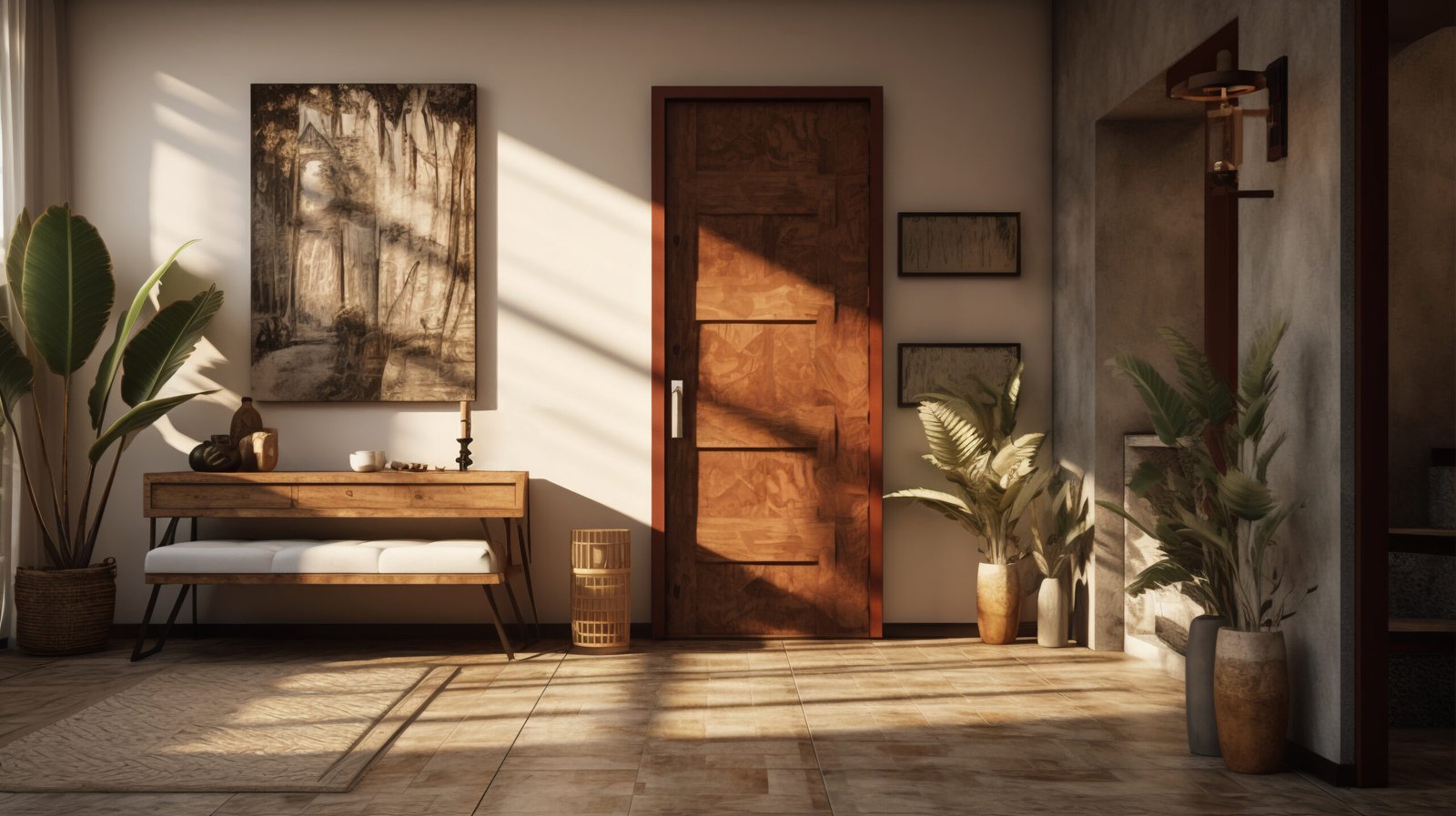
Doors shape a home more than people realize. They do not just close spaces. They signal transitions. A hallway can feel narrow or open depending on the door. Rooms gain privacy style and even warmth because of what stands between them. In the UK oak interior doors remain a favorite for homeowners. They blend natural charm with practicality and last far longer than cheap alternatives.
The Role of Interior Doors
Interior doors divide spaces. They also guide movement. Some people underestimate how much a door influences mood. A sturdy wooden door can make a room feel grounded. A glass panel can make it light and airy. Oak interior doors offer subtle elegance while keeping rooms warm. They also resist dents and scratches better than softer wood.
In older homes interior doors sometimes tell stories through their carvings or panels. Modern homes favor clean lines and minimalism. But the material often stays the same solid wood MDF or a combination. The key is function without sacrificing style.
What Exterior Doors Do
Exterior doors guard. They shield interiors from wind rain and curious eyes. Unlike interior doors they carry the weight of security and insulation. Steel frames reinforced cores and tight seals prevent drafts and intrusions. Even a simple wooden exterior door will have additional layers of protection.
While interior doors focus on aesthetics and comfort exterior doors must survive the elements. Every hinge lock and frame piece matters. They make the first impression of a home. A battered front door can ruin the look even if the interiors shine.
Materials Matter
Interior doors use lighter materials. Solid wood MDF plywood and tempered glass appear frequently. Oak interior doors strike a balance between sturdiness and ease of movement. They are heavy enough to feel substantial but not so heavy that they slam shut with one push.
Exterior doors favor durability above all. Fiberglass reinforced steel and insulated wood resist warping rust and moisture. Some combine layers to boost insulation. Interior doors rarely need this level of engineering. They rarely meet storm winds or burglars.
Styles and Designs
Modern interior doors often look like panels of glass or smooth flat surfaces. They may have subtle grooves or recessed frames. Oak interior doors allow traditional paneling while still keeping the space flexible.
Exterior doors can be more flamboyant. Carvings sidelights peepholes and security glass make them statement pieces. Their look leans toward boldness whereas interior doors favor subtlety. A mismatched door inside a room can disrupt flow. A bad-looking exterior door can discourage visitors or lower property appeal.
Thickness Weight and Feel
Interior doors feel lighter. They open and close with ease. Oak interior doors manage to feel substantial without being cumbersome. Thickness varies between 35 to 45 millimeters typically.
Exterior doors feel dense. They often weigh twice as much because of reinforced cores. They resist forced entry and prevent drafts. Handling them requires precision during installation.
Sound and Temperature
Noise flows between rooms through doors. Interior doors are moderately effective at blocking sound. Oak provides better insulation than hollow MDF but less than fully sealed doors.
Exterior doors fight both sound and climate. They are sealed tightly to keep heat in during winter. They keep rain and wind out. Some doors also resist UV damage and humidity swings. Interior doors rarely need this level of protection.
Security and Hardware
Interior doors rarely need more than a latch or basic lock. Oak interior doors sometimes have elegant brass locks for bedrooms or studies. Their hardware emphasizes style more than strength.
Exterior doors must resist intrusion. Heavy-duty locks reinforced hinges and deadbolts are essential. Some even include electronic locks or alarms. The hardware works as hard as the door itself to maintain safety.
Maintenance
Interior doors need only dusting occasional polishing or repainting. Oak interior doors respond well to oils and varnishes. They keep their luster for years if treated gently. Exterior doors demand more care. Paint chips metal corrosion and weather exposure require regular attention. A neglected exterior door can warp or crack. The difference is noticeable immediately.
Cost Considerations
Interior doors cost less than exterior ones because they require fewer materials and security features. Oak interior doors command a premium because of their durability and grain quality.
Exterior doors cost more upfront. Material locks seals and finishes add up quickly. However the investment protects your home and prevents ongoing damage from the elements.
Installation
Interior doors are simpler to install. Standard frames accommodate most types. Oak interior doors may be heavier but installation rarely requires a team. Exterior doors need precision. Misalignment compromises security and insulation. Some homeowners hire professionals even for relatively simple front or back doors.
Aesthetic Value
Interior doors shape how rooms feel. They influence mood space perception and flow. Oak interior doors add warmth natural patterns and subtle sophistication. Exterior doors set the home’s tone. Their finish color and style influence curb appeal. A grand wooden door signals luxury while a simple metal door signals minimalism.
Choosing Wisely
Consider function first. Interior doors prioritize comfort privacy and aesthetics. Oak interior doors suit bedrooms studies and hallways. Exterior doors prioritize protection and climate resistance. Security insulation and visual impact guide the choice.
Think about longevity. Interior doors may last decades if maintained. Exterior doors face daily stress and weathering. Quality matters more than style alone.
FAQs
What makes oak interior doors special
They combine durability elegance and natural texture. They suit both classic and modern interiors.
Can oak interior doors be painted or stained
Yes they adapt to colors or finishes without losing grain charm.
Are interior doors weaker than exterior doors
Yes because interior doors prioritize style and comfort over security.
How often should oak interior doors be maintained
Occasionally polishing or oiling preserves shine and prevents minor cracks.
Can interior doors have glass panels
Yes decorative glass adds light and style. Oak interior doors often include it while maintaining privacy.
Conclusion
Interior and exterior doors have unique roles. Interior doors focus on privacy flow and aesthetics. Exterior doors focus on security weatherproofing and first impressions. Oak interior doors deliver elegance durability and versatility indoors. They blend with modern minimalism or classic decor effortlessly. Choosing the right door requires balancing purpose location and design. High-quality doors improve the home’s look comfort and lifespan. Investing wisely pays off for years of beauty and function.
Visit gettonews for more informative blogs.
