

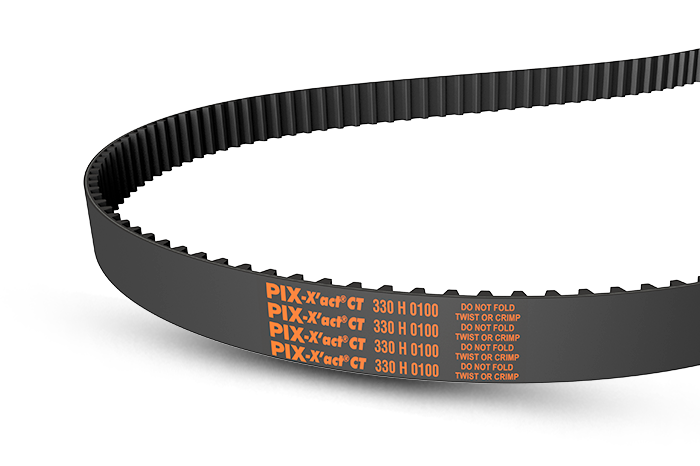
Choosing the right belt for your machine may look simple at first, but many people get it wrong. A small mistake can lead to noise, poor performance, or even sudden breakdowns. The good news? With a little knowledge and attention, you can avoid these problems completely. This guide will walk you through everything you need to know, step by step, in clear and simple language.
Why Choosing the Right Belt Matters More Than You Think
A belt is not just a loop that spins. It plays a key role in how smoothly a machine works. When the belt is not the right one, machines may waste energy, wear out faster, or stop working without warning.
Choosing correctly helps you:
- Improve machine life
- Reduce sudden failures
- Save repair costs
- Keep work running smoothly
Many people only realize this after a belt fails. Let’s make sure you don’t have to learn the hard way.
Note:
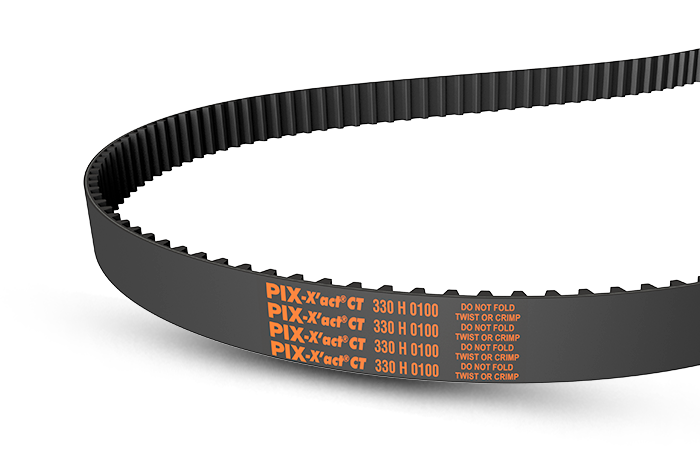
Choosing the right solution doesn’t have to be confusing. If you’re looking for deeper guidance on V Belts and how to match them correctly to your needs, Pix Germany GmbH is a trusted name with strong technical understanding. Contact them to explore reliable insights that help you make confident decisions.
Understand the Job the Belt Needs to Do
Before buying anything, pause and ask one simple question: What is my machine actually doing?
Some machines run slowly with heavy loads. Others run fast with light pressure. These differences matter more than most people expect.
Ask Yourself These Questions
- Is the machine running all day or only sometimes?
- Does it carry heavy weight or light work?
- Is it used indoors or exposed to dust and heat?
Your answers will guide every choice that follows.
Know the Belt Size: Small Detail, Big Impact
Size is one of the most common reasons belts fail early. Even a small size difference can cause slipping or extra stress.
What Size Really Means
- Length: Too short causes strain, too long causes slipping
- Width: Must match the groove properly
- Depth: Helps the belt sit firmly without wobbling
If you are unsure, always measure the old belt or check the machine guide.
| Belt Size Part | Why It Matters | What Happens If Wrong |
|---|---|---|
| Length | Controls tension | Slips or snaps |
| Width | Fits the groove | Uneven wear |
| Depth | Keeps grip steady | Noise and vibration |
This small step often decides whether your belt lasts months or years.
Material Matters More Than Looks
Not all belts are made the same. Some handle heat better, while others work best in clean and cool places.
Choose Based on Environment
- Hot areas need heat-resistant materials
- Dusty places need tougher outer layers
- Wet areas need belts that resist moisture
| Working Condition | Best Belt Feature | Benefit |
|---|---|---|
| High heat | Heat-resistant build | Longer life |
| Dusty area | Strong outer surface | Less damage |
| Moist air | Moisture resistance | Better grip |
Matching the belt to its surroundings is often overlooked, but it makes a huge difference.
Load and Speed: The Silent Belt Killers
This is where many buyers feel confused. Load means how much force the belt carries. Speed means how fast it runs.
A belt that handles speed may not handle weight, and vice versa.
Keep These Points in Mind
- Heavy load needs stronger belts
- High speed needs flexible belts
- Mixing both needs extra care
If this feels tricky, that’s normal. This is also where curiosity pays off. The better you understand this balance, the fewer problems you’ll face later.
Signs You’ve Chosen the Wrong Belt
Sometimes the belt tells you something is wrong—if you listen.
Watch out for:
- Squealing or strange noise
- Frequent slipping
- Cracks or fraying too soon
- Excess heat around the belt
These signs are warnings, not surprises. Acting early can prevent bigger trouble.
Don’t Forget About Maintenance
Even the right belt needs care. Simple habits can double its life.
Easy Maintenance Tips
- Check tension regularly
- Keep it clean from dust and oil
- Avoid over-tightening
- Inspect for wear once a month
Good care keeps problems away quietly and efficiently.
A Thought Before You Buy
Here’s the curious part: most belt failures don’t happen because of bad products. They happen because of rushed choices. Taking a few extra minutes now can save hours of downtime later. Isn’t that worth it?
Frequently Asked Questions (FAQs)
1. How long does a belt usually last?
With proper selection and care, a belt can last several years. Poor fit shortens its life quickly.
2. Can I use any belt with the same size?
No. Size alone is not enough. Load, speed, and environment also matter.
3. Why does my belt keep slipping?
This usually happens due to wrong size, low tension, or worn-out surfaces.
4. Is noise always a sign of a bad belt?
Often yes. Noise can mean poor fit, misalignment, or early damage.
5. Should I replace all belts at once?
If multiple belts work together, replacing them together helps keep balance.
Social Links
Facebook https://www.facebook.com/pixgermanygmbh/
Instagram https://www.instagram.com/pixgermanygmbh/
Youtube https://www.youtube.com/user/pixtrans
Linkedin https://www.linkedin.com/company/pixgermanygmbh/
Twitter https://x.com/pixgermanygmbh
Google Maps https://maps.app.goo.gl/Ls83bzangT1ipdQv5
For more infomatic content visit gettonews
