

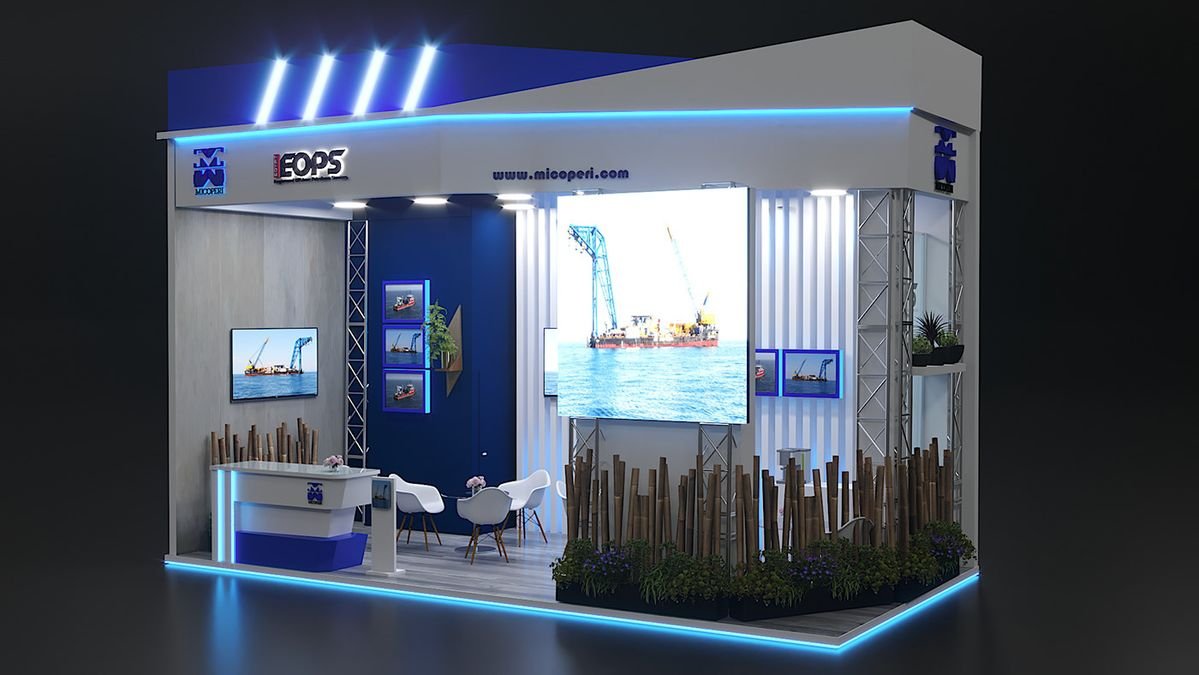
Exhibition stand design is no longer just about looking attractive on a busy trade show floor. Today, it is about creating a space that works efficiently, guides visitors naturally, and ensures a brand is clearly visible from multiple angles. When exhibitions attract thousands of attendees with limited time and attention, a well-designed stand becomes a strategic tool rather than a decorative structure. In cities known for high-quality trade fairs, such as those where an Exhibition Stand Builder in Munich often works within strict venue guidelines, design decisions must balance creativity with practical performance to meet both visitor expectations and operational needs.
Understanding Function in Exhibition Stand Design
Function is the foundation of any successful exhibition stand. Before colors, lighting, or graphics are considered, the stand’s purpose must be clearly defined. Is the goal to demonstrate products, hold meetings, distribute information, or encourage live interaction? Each objective requires different spatial solutions. For example, product demonstrations need open areas with clear sightlines, while business discussions benefit from quieter, semi-private zones.
Functional design also considers staff movement, storage needs, and technical requirements. Hidden storage areas help keep the stand tidy, while accessible power points and data connections ensure smooth demonstrations. A stand that looks impressive but fails to support daily activities can quickly become inefficient, affecting both staff performance and visitor experience.
Designing for Visitor Flow
Flow refers to how visitors move through and interact with a stand. A well-planned layout gently guides people from the entrance to key focal points without creating congestion. Open layouts tend to attract more foot traffic, while narrow or cluttered designs can unintentionally discourage entry.
Clear entry points, logical pathways, and visible activity zones help visitors understand where to go and what to do next. For example, placing eye-catching displays near the edges draws people in, while positioning deeper engagement areas further inside encourages longer visits. Flow design also accounts for varying visitor behaviors—some prefer quick browsing, while others want in-depth conversations. A flexible layout supports both without conflict.
Visibility as a Competitive Advantage
Visibility is critical in crowded exhibition halls where dozens of brands compete for attention. Effective visibility starts with strong vertical elements such as hanging signs, towers, or elevated graphics that can be seen from a distance. These elements help visitors locate a stand even before they reach the aisle.
At eye level, clear branding, readable text, and consistent visual themes reinforce recognition. Lighting plays a major role as well. Well-placed lighting highlights products, creates depth, and separates key areas from the background noise of the exhibition floor. Importantly, visibility should not overwhelm functionality; excessive graphics or lighting can distract rather than inform if not carefully balanced.
Balancing Aesthetics with Practicality
While aesthetics are important, they must serve a purpose. Minimalist designs are often effective because they reduce visual clutter and allow key messages to stand out. Materials should be chosen not only for appearance but also for durability, safety, and ease of installation.
Practical considerations such as accessibility are also essential. Wide pathways, clear signage, and barrier-free access ensure that all visitors can comfortably navigate the stand. This inclusive approach enhances overall usability and reflects thoughtful design planning.
Adapting Design to Different Exhibition Goals
No two exhibitions are exactly the same, and stand design should adapt accordingly. Industry-specific events may require technical displays and detailed information panels, while consumer-focused shows benefit from interactive and experiential elements. Understanding the audience helps determine how much space to allocate to demonstrations, discussions, or digital engagement.
Modular design systems are increasingly popular because they offer flexibility. Components can be rearranged or reused across different events, allowing exhibitors to maintain consistency while adapting to varying floor plans and objectives.
The Role of Planning and Coordination
Successful stand design relies heavily on early planning and coordination with exhibition organizers. Venue regulations, height restrictions, and safety standards all influence design choices. Ignoring these factors can lead to last-minute changes or compromises that affect function and visibility.
Detailed planning also includes considering setup and dismantling processes. Efficient designs reduce installation time and minimize logistical challenges, ensuring the stand is ready on schedule and operates smoothly throughout the event.
Measuring Success Beyond Appearance
A functional, well-flowing, and visible stand should ultimately support measurable outcomes. These may include visitor engagement levels, quality of conversations, lead generation, or time spent at the stand. Observing visitor behavior during the event can provide valuable insights for future improvements.
Post-event evaluation helps identify which design elements worked well and which areas need adjustment. This continuous improvement approach ensures that stand design evolves alongside changing exhibition trends and audience expectations.
Conclusion
Exhibition stand design focused on function, flow, and visibility transforms a physical space into an effective communication platform. By prioritizing usability, guiding visitor movement, and ensuring strong visual presence, exhibitors can create stands that perform well in demanding environments. This approach is particularly relevant in competitive trade fair landscapes, where collaboration with professionals such as an Exhibition Stand Builder in Germany often involves aligning creative ideas with strict functional and regulatory requirements. Ultimately, thoughtful design leads to better experiences for both visitors and exhibitors, making exhibitions more impactful and purposeful.
