

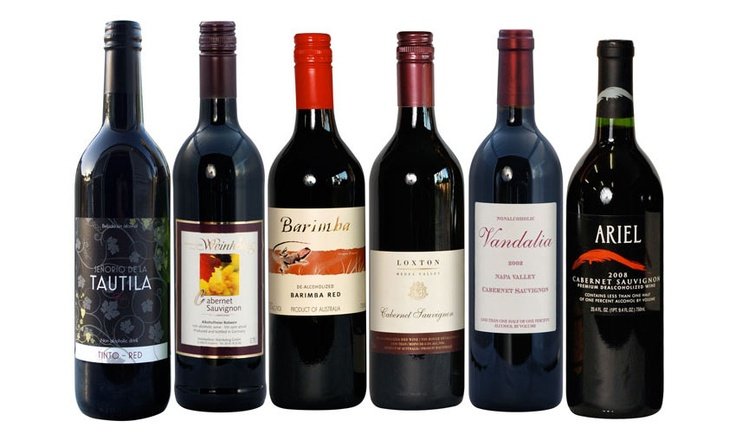
The world of beverages has changed dramatically over the past decade, and one of the most exciting transformations is happening in the world of non alcoholic wines. As more people shift toward healthier lifestyles, mindful drinking, and social choices that don’t revolve around alcohol, this category has grown from a niche market to a sophisticated global trend. Modern consumers are no longer satisfied with overly sweet grape juice marketed as wine. They now want refined flavours, depth, aroma, and craftsmanship—just without the alcohol.
Today’s non alcoholic wines deliver exactly that, offering wine lovers an elegant and enjoyable alternative that fits every lifestyle.
The Evolution of Alcohol-Free Wine
For many years, alcohol-free options lacked complexity and often tasted nothing like traditional wine. But advancements in technology, demand from health-conscious consumers, and innovation from winemakers have created a new generation of non alcoholic wines. These beverages now undergo traditional winemaking processes—fermentation, aging, and barrel techniques—before the alcohol is gently removed.
This means that what you taste is not a simple juice blend, but an authentic wine with layers of flavor. The result is a product that appeals to seasoned wine enthusiasts, pregnant women, designated drivers, athletes, and anyone choosing a balanced lifestyle.
How Non-Alcoholic Wines Are Made
The production of alcohol-free wine starts exactly like regular wine. Grapes are crushed, fermented, and matured. It is only after this that winemakers use one of three techniques to remove the alcohol:
1. Vacuum Distillation
Heat is applied at a low pressure so the alcohol evaporates without damaging the wine’s aromatic compounds. This method retains the flavor profile beautifully.
2. Reverse Osmosis
A filtration technique that separates alcohol from the wine while preserving the essence. It’s one of the most premium and delicate processes used to create non alcoholic wines.
3. Spinning Cone Technology
A fast, modern method that gently removes alcohol through rotation and temperature control, keeping the aroma intact.
These techniques ensure that the final product maintains the character, scent, and body of wine—just without the intoxicating effects.
Why People Choose Non-Alcoholic Wines
The rise of mindful drinking has reshaped the beverage industry. Many consumers now prefer moderation without sacrificing taste, community, or celebration. The benefits include:
1. Health & Wellness
Alcohol-free alternatives help reduce calorie intake, liver strain, dehydration, and long-term health risks. This makes non alcoholic wines a great option for health-focused individuals.
2. Perfect for Social Occasions
Whether attending corporate events, weddings, or dinners, alcohol-free wine allows people to participate in toasts while staying alert and clear-headed.
3. Suitable for All Lifestyles
Pregnant women, drivers, athletes, and individuals who avoid alcohol for personal or religious reasons now have a premium beverage option.
4. Reduced Hangovers
A major benefit is enjoying the wine-like experience without the negative aftereffects.
Types of Non-Alcoholic Wines
Just like traditional wine, alcohol-free varieties come in multiple styles. Here are the most popular categories:
Non-Alcoholic Red Wine
Bold, rich, and full of character, these wines mimic traditional reds with notes of blackberries, cherries, oak, and spice. They pair beautifully with grilled meats, pasta dishes, and cheese boards. Modern red non alcoholic wines have improved significantly, offering depth and smooth textures.
Non-Alcoholic White Wine
Crisp, refreshing, and elegant, these wines highlight citrus, apple, pear, and floral notes. They pair perfectly with seafood, salads, and light meals. White varieties are often praised for maintaining the freshness and acidity found in traditional whites.
Non-Alcoholic Sparkling Wine
One of the fastest-growing categories, sparkling options offer the perfect celebratory drink for birthdays, weddings, anniversaries, and New Year’s Eve. With light bubbles, fruity aromas, and clean finishes, these wines bring joy to any special occasion.
Non-Alcoholic Rosé
Rosé continues to dominate summer parties and outdoor gatherings. Alcohol-free rosés capture the delicate, fruity essence with hints of strawberry, peach, and citrus. Light, refreshing, and visually stunning, they are ideal for warm weather.
What to Look for When Buying Non-Alcoholic Wines
Not all alcohol-free wines are created equal, so here are important factors to consider before selecting a bottle:
1. Production Method
Wines that use reverse osmosis or spinning cone production often taste more authentic.
2. Sugar Levels
Some cheaper options rely on added sugar to improve flavor. Premium brands maintain balance without excessive sweetness.
3. Grape Quality
High-quality grapes result in a more refined and satisfying experience.
4. Brand Reputation
Well-known wineries and specialised alcohol-free producers usually deliver better consistency and taste.
Food Pairing Guide
Pairing food with non alcoholic wines is identical to pairing with traditional varieties:
- Red: Steaks, roasts, pasta, grilled vegetables
- White: Fish, salads, chicken, creamy sauces
- Rosé: Tapas, fruit platters, cheese
- Sparkling: Desserts, snacks, celebration meals
These pairings enhance flavour, balance richness, and create a complete dining experience.
The Growing Popularity of Non-Alcoholic Wines Worldwide
The global market for alcohol-free beverages is booming. More bars, restaurants, hotels, and supermarkets are expanding their alcohol-free sections. Social media influencers, fitness communities, and wellness brands have also embraced this shift, helping non alcoholic wines become a mainstream choice rather than an exception.
From Europe and the Middle East to Australia and the USA, demand continues to rise as consumers seek premium taste without compromising their health or lifestyle.
Are Non-Alcoholic Wines Healthy?
While no drink is a miracle product, alcohol-free wines offer many positive attributes:
- Lower calories
- No hangovers
- Reduced alcohol-related risks
- Vitamins and antioxidants from grapes
- Hydrating properties
They allow individuals to enjoy wine culture without exposing themselves to alcohol’s negative health implications.
Conclusion
The world of non alcoholic wines has evolved into a sophisticated and enjoyable alternative for modern consumers. Thanks to advanced production methods, refined flavours, and a growing demand for mindful drinking, these wines now offer an experience remarkably close to traditional wine—just without the alcohol. Whether you’re celebrating a milestone, hosting a dinner, or simply enjoying a quiet evening at home, alcohol-free wine brings elegance, comfort, and satisfaction to every moment.
