

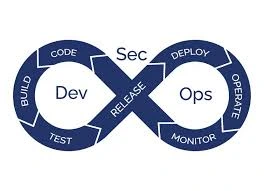
In the modern digital landscape, businesses are under immense pressure to deliver software faster while ensuring it remains secure, stable, and compliant. Customers expect rapid feature updates, seamless user experiences, and strong data protection—all at the same time. Traditionally, security was treated as a final checkpoint, often slowing development and creating tension between teams. This outdated approach no longer works in a world of continuous releases and evolving cyber threats. This is where devsecops services play a transformative role by strengthening software security without sacrificing development speed.
DevSecOps represents a shift in how organizations think about security. Instead of viewing it as a bottleneck, security becomes an enabler of faster and safer development. By integrating security into every phase of the software development lifecycle, companies can release high-quality applications with confidence. Understanding how this approach works and why it does not slow development is essential for businesses aiming to stay competitive.
The Traditional Conflict Between Security and Speed
For many years, development and security teams operated in isolation. Developers focused on writing code and meeting release deadlines, while security teams reviewed applications only after development was complete. This created a natural conflict. Late-stage security testing often uncovered vulnerabilities that required significant rework, delaying releases and increasing costs.
As development cycles became shorter, this problem intensified. Security teams struggled to keep up with rapid deployments, and developers viewed security checks as obstacles rather than safeguards. The result was either delayed releases or insecure software. Devsecops services address this long-standing conflict by embedding security into development workflows, eliminating the need for disruptive last-minute fixes.
Understanding the Core Purpose of DevSecOps Services
DevSecOps services are designed to integrate security practices directly into development and operations processes. Rather than adding extra steps at the end, these services automate security checks throughout the lifecycle of an application. This includes code analysis, dependency scanning, infrastructure security, and runtime monitoring.
The primary goal is to make security continuous and invisible to the extent that it does not interrupt developer productivity. When implemented correctly, devsecops services allow teams to identify and resolve vulnerabilities early, often before code is merged or deployed. This proactive approach improves security outcomes while keeping development pipelines fast and efficient.
Shifting Security Left Without Slowing Teams
One of the foundational principles of DevSecOps is shifting security left, meaning security is addressed earlier in the development process. Instead of waiting until the end, developers receive immediate feedback on potential vulnerabilities as they write code. This early detection reduces the complexity and cost of fixes.
Importantly, this shift does not slow teams down. Automated tools provide real-time insights without requiring manual reviews. Developers can fix issues while the context is still fresh, avoiding long delays later. By adopting devsecops services, organizations ensure that security becomes a natural part of development rather than a disruptive event.
Automation as the Key to Speed and Security
Automation is central to how DevSecOps improves security without impacting development velocity. Automated security testing tools run alongside existing build and deployment processes, scanning code and configurations continuously. These tools operate in the background, flagging issues without requiring developers to stop their work.
Automation also ensures consistency. Manual security reviews are time-consuming and prone to error, while automated checks run the same way every time. With devsecops services, organizations can enforce security policies automatically, reducing delays and freeing teams to focus on innovation rather than repetitive tasks.
Continuous Integration and Secure Development Pipelines
Continuous integration and continuous deployment pipelines are designed to accelerate software delivery. DevSecOps enhances these pipelines by embedding security checks directly into them. Every code commit triggers automated scans, ensuring vulnerabilities are caught immediately.
This integration prevents insecure code from progressing through the pipeline. Instead of discovering issues during final testing or after deployment, teams address them incrementally. Devsecops services ensure that security is built into the pipeline itself, allowing development to move forward confidently and quickly.
Reducing Rework Through Early Vulnerability Detection
Late-stage vulnerability detection is one of the biggest causes of development delays. Fixing security flaws after deployment can require significant changes, testing, and downtime. Early detection avoids these costly scenarios.
By identifying issues during development, teams can resolve them with minimal effort. This reduces rework and prevents security-related delays. Organizations that rely on devsecops services experience smoother release cycles because security issues are addressed before they become major obstacles.
Improving Developer Productivity Through Better Feedback
Developers often resist security measures because they perceive them as disruptive or unclear. DevSecOps changes this dynamic by providing clear, actionable feedback directly within development tools. Instead of vague warnings, developers receive specific guidance on how to fix issues.
This approach empowers developers rather than slowing them down. Over time, teams become more proficient in writing secure code, reducing the number of issues that arise. Devsecops services support this learning process by integrating security insights into daily workflows.
Integrating Security into Agile and Fast-Paced Environments
Agile development emphasizes frequent releases and rapid iteration. Traditional security models struggle to keep up with this pace, often forcing teams to choose between speed and safety. DevSecOps aligns perfectly with agile principles by embedding security into each sprint.
Security checks run continuously and automatically, matching the rhythm of agile development. Teams do not need to pause for lengthy audits or reviews. By using devsecops services, organizations can maintain agility while ensuring that every release meets security standards.
Securing Modern Cloud and Microservices Architectures
Modern applications increasingly rely on cloud platforms, containers, and microservices. While these architectures improve scalability and flexibility, they also introduce new security challenges. Misconfigurations, insecure APIs, and vulnerable dependencies can expose applications to attacks.
DevSecOps addresses these risks by extending security practices to infrastructure and runtime environments. Automated configuration checks and continuous monitoring protect dynamic systems without slowing deployments. Devsecops services ensure that security scales alongside modern architectures, supporting rapid innovation.
Real-Time Monitoring Without Disrupting Operations
Security does not end at deployment. Continuous monitoring is essential to detect threats and unusual behavior in production environments. Traditional monitoring approaches often require manual intervention, which can disrupt operations.
DevSecOps uses automated monitoring tools that operate in real time without affecting application performance. Alerts are triggered only when necessary, allowing teams to respond quickly without constant oversight. Through devsecops services, organizations maintain strong security postures while keeping systems running smoothly.
Enhancing Collaboration Instead of Creating Bottlenecks
One of the biggest misconceptions about security is that it slows development by adding bureaucracy. DevSecOps turns this assumption on its head by fostering collaboration between development, security, and operations teams. Shared responsibility reduces friction and improves communication.
When everyone works toward the same goals, security becomes a collective effort rather than a roadblock. Devsecops services help establish this collaborative culture by aligning tools, processes, and objectives across teams.
Lowering Long-Term Costs Through Efficient Security Practices
Security incidents are expensive. Data breaches, downtime, and compliance violations can result in significant financial and reputational damage. Fixing vulnerabilities late in the development cycle only increases these costs.
DevSecOps reduces long-term expenses by preventing issues before they occur. Early detection, automation, and continuous monitoring minimize the likelihood of major incidents. Organizations investing in devsecops services often see substantial cost savings over time due to fewer breaches and faster recovery.
Maintaining Compliance Without Slowing Releases
Regulatory compliance is a critical concern for many industries. Manual compliance checks can slow development and create delays. DevSecOps automates compliance validation, ensuring that applications meet requirements continuously.
Automated audits and reporting provide visibility without interrupting development workflows. This allows teams to release software confidently, knowing that compliance standards are met. Devsecops services enable organizations to balance regulatory demands with the need for speed.
Overcoming the Myth That Security Slows Development
The belief that security inevitably slows development is rooted in outdated practices. When security is added at the end, delays are unavoidable. DevSecOps proves that this does not have to be the case.
By integrating security into development from the start, teams eliminate last-minute surprises and rework. Security becomes a built-in feature rather than an external requirement. With devsecops services, organizations demonstrate that strong security and fast development can coexist.
Why Businesses Are Adopting DevSecOps Services
Modern businesses face increasing pressure from customers, regulators, and attackers. Delivering secure software quickly is no longer optional. DevSecOps offers a practical solution that aligns security with business goals.
Companies adopt devsecops services to gain expert guidance, advanced automation, and scalable security practices. These services allow organizations to focus on innovation while maintaining robust protection against evolving threats.
The Future of Secure and Fast Software Development
As technology continues to evolve, development cycles will only become faster. Security strategies must evolve as well to keep pace. DevSecOps represents the future of software development, where security and speed reinforce each other rather than compete.
Advancements in automation, artificial intelligence, and cloud-native tools will further enhance this approach. Organizations that embrace devsecops services today will be better prepared to meet future challenges without compromising development velocity.
Conclusion
DevSecOps has redefined the relationship between security and development. By embedding security into every stage of the software lifecycle, organizations can improve protection without slowing progress. Automation, early detection, and collaboration eliminate the traditional trade-offs between speed and safety.
In an environment where rapid innovation and strong security are equally critical, devsecops services provide a clear path forward. Businesses that adopt this approach gain the ability to deliver secure, high-quality software at the pace modern markets demand, ensuring long-term success in an increasingly digital world.
