

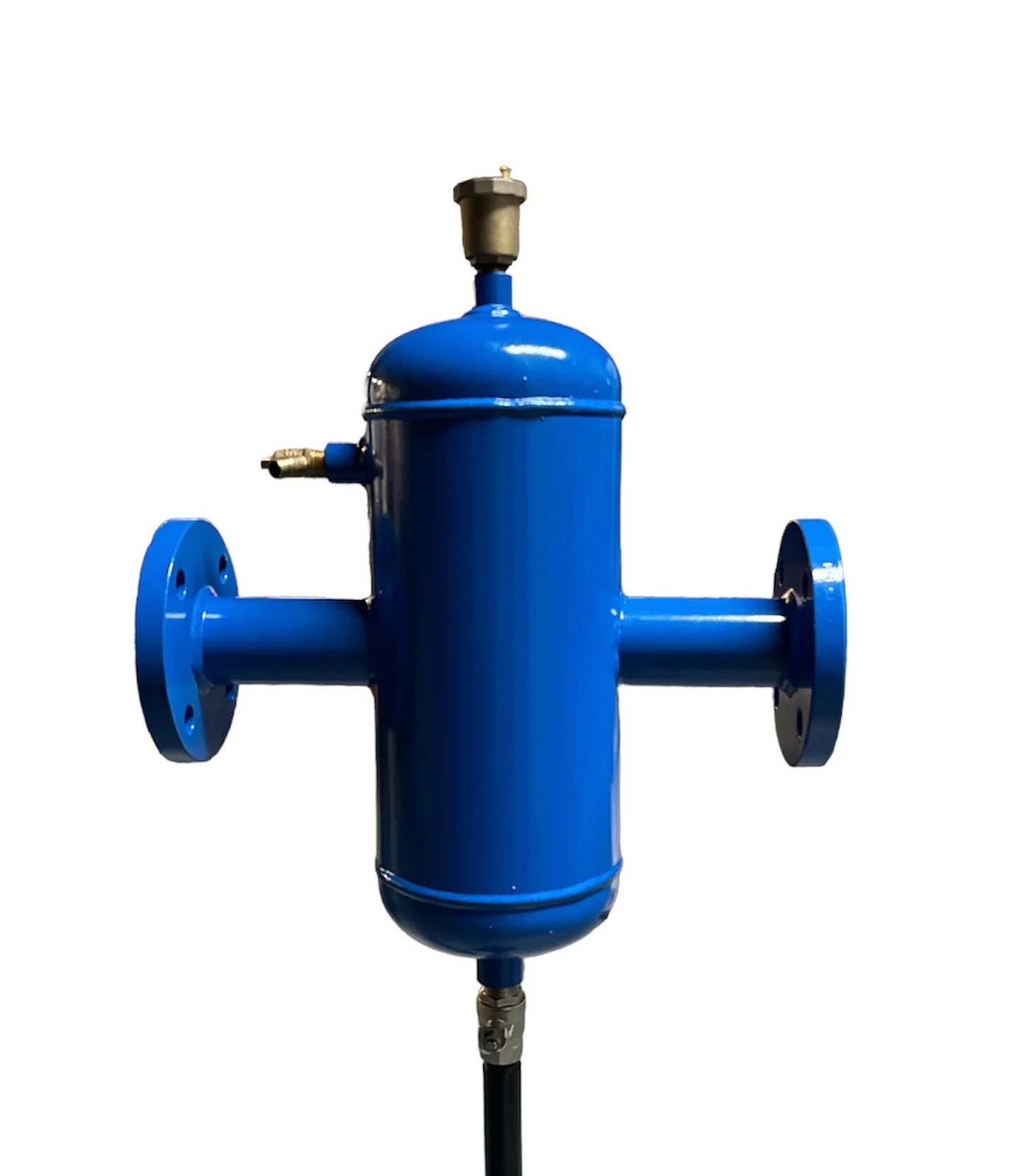
The new heating systems are designed in such a manner that they can give warmth efficiently, quietly yet reliably. However, the vast majority of property owners overlook internal forces that affect long-term performance. One of the most important components in maintaining system health is the Air and Dirt Separator, which plays a key role in improving heating efficiency and extending equipment life.
Why air and dirt cause problems in heating systems
When the heating systems are in normal operation they collect air bubbles and tiny debris. They are typically due to fresh water top ups, corrosion in pipework or poor installation. Stagnant air reduces the heat conduction and creates cold spots but dirt particles can obstruct the valves and destroy the pumps, resulting in an increased boiler wear.
Such issues not in check make the system work harder temperature is maintained. That amounts to higher expense of energy, unreliable heating and a higher probability of breakdowns especially during colder seasons when the need is at highest.
How separator systems improve efficiency
An Air and Dirt Separator works by removing unwanted air and solid contaminants as water circulates through the system. It also maintains the water clean to allow the free movement of heat through radiators and under floor loops.
The benefits are viable and measurable. Systems heat up quicker, quieter and more thermostat responsive. Cleaner water also helps in saving costs of maintenance in the long run as pumps and heat exchangers are not subjected to abrasiveness which shortens their life cycle.
Installation details that support performance
A separator performs well when it is supported by good installation materials. Secure pipe alignment helps maintain steady flow rates, which is where a Pipe to Pipe Bracket becomes essential. The main load of the joints in larger commercial or multi-storey systems is eliminated to prevent any motion, vibration or tension.
Sealing and insulation is also significant. Using Aluminium Foil Tape on insulation joints helps reduce heat loss and keeps insulation firmly in place. These small bits contribute to the general effectiveness of the system and make sure that the energy does not leak through the pipework that is not properly sealed.
Long term value for property owners
Comfort that comes along with efficiency of heating directly affects running costs and sustainability goals. Less energy is used by cleaner systems to produce the same level of warmth, and reduce the production of carbon emission and help buildings to comply with the present day efficiency standard.
Components such as Pipe to Pipe Bracket fittings ensure pipework remains stable over time, while Aluminium Foil Tape helps maintain insulation integrity even in high temperature environments. These elements, together with a separator, create a system that is effective annually.
A smarter approach to heating upgrades
The heating systems do not necessarily require a full installation in order to upgrade it. In most situations, it is possible to see concrete outcomes through the introduction of the required features and improved insulation. Separator systems are relatively inexpensive improvements that protect the efforts of already existing devices and improve day-to-day operations without causing any major inconvenience.
Conclusion
The heating efficiency depends on clean circulation, stability of the pipework and effective insulation. Your system should be invested in to perform well, use less energy and be long lasting. It is time to do something now in case you are attempting to improve performance or reduce heat loss. Buy Insulation offers the best quality products and services to ensure that your heating system within your property is more efficient and reliable.
