

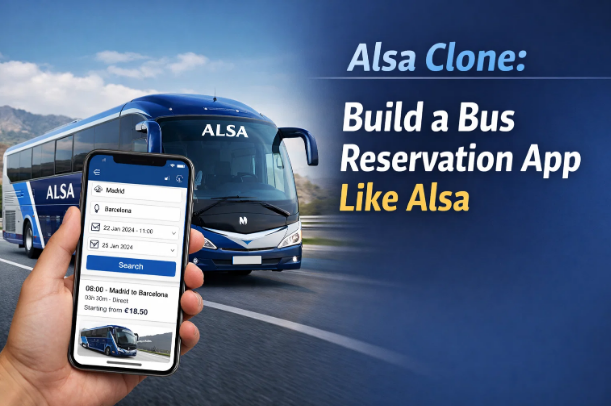
The transportation industry has undergone a major digital transformation, with travelers increasingly relying on mobile apps to plan and book their journeys. One concept gaining traction is the Alsa clone, a type of application modeled after successful bus reservation platforms. These apps simplify ticket booking, improve travel planning, and provide real-time updates, making them highly appealing to modern users.
An Alsa clone is essentially a digital solution that replicates the core features and functionalities of a well-established bus booking service. By leveraging proven business models, companies can build efficient platforms that cater to both passengers and transport operators. This approach reduces development risks while accelerating time to market.
In this blog, we’ll explore what it takes to build an app like Alsa, key features to include, development approaches, and the benefits of launching a scalable bus reservation platform.
Understanding the Concept of an Alsa Clone
An Alsa clone is designed to replicate the functionality of a robust coach ticket booking platform. These applications typically offer route search, seat selection, online payments, and real-time tracking. The goal is not to copy but to build a similar system with customized features tailored to a specific audience or region.
Such platforms act as a bridge between passengers and bus operators. Travelers can compare schedules, prices, and amenities, while operators gain access to a wider customer base. This dual-sided value makes the model highly sustainable and scalable.
Why Build an App Like Alsa?
The demand for digital travel solutions is growing rapidly. An app like Alsa offers convenience, transparency, and efficiency, which are key drivers for user adoption.
Rising Demand for Digital Booking
More users prefer booking tickets online instead of visiting physical counters. A coach tickets app provides instant access to multiple routes and operators, saving both time and effort.
Expanding Intercity Travel
With urbanization and economic growth, intercity travel has increased significantly. A reliable bus reservation system helps manage this demand effectively.
Business Opportunities
Entrepreneurs and transport companies can leverage this model to create new revenue streams. By offering a seamless online bus ticket booking system, businesses can attract a broader audience.
Core Features of a Bus Reservation System
Building a successful Alsa clone requires integrating essential features that enhance user experience and operational efficiency.
User Registration and Profiles
Users should be able to sign up quickly using email, phone number, or social media accounts. A personalized profile allows them to manage bookings, preferences, and payment methods.
Advanced Search and Filters
A powerful search engine enables users to find buses based on location, date, price, and amenities. Filters improve usability by narrowing down options.
Seat Selection and Booking
Interactive seat maps allow users to choose their preferred seats. This feature adds transparency and improves customer satisfaction.
Secure Payment Gateway
Multiple payment options such as credit cards, digital wallets, and net banking are essential. Security measures must be implemented to protect user data.
Real-Time Tracking
Live tracking provides updates on bus location and estimated arrival times. This feature builds trust and enhances the travel experience.
Notifications and Alerts
Push notifications keep users informed about booking confirmations, delays, and special offers.
Admin Panel Features
An efficient admin panel is crucial for managing the platform.
Dashboard and Analytics
Admins should have access to real-time data on bookings, revenue, and user activity. Analytics help in making informed business decisions.
Bus and Route Management
Admins can add, update, or remove routes, schedules, and bus details. This ensures accurate and up-to-date information.
User Management
Managing user accounts, handling queries, and resolving issues are key administrative functions.
Payment and Commission Management
The system should track transactions and manage commissions for operators.
Technology Stack for an App Like Alsa
Choosing the right technology stack is essential for building a scalable and efficient platform.
Frontend Development
Technologies like React Native or Flutter are popular for creating responsive mobile applications. They ensure smooth performance across devices.
Backend Development
The backend handles data processing, user authentication, and server operations. Common choices include Node.js, Django, or Laravel.
Database Management
Databases like MySQL or MongoDB store user data, bookings, and transaction records securely.
Cloud Integration
Cloud services enable scalability and reliability. They support high traffic and ensure minimal downtime.
Development Approaches
There are multiple ways to build an Alsa clone, depending on budget and timeline.
Custom Development
This approach involves building the app from scratch. It offers maximum flexibility but requires more time and resources.
White Label Bus Reservation System
A White Label Bus Reservation System allows businesses to launch quickly using a pre-built solution. It can be customized with branding and specific features.
Hybrid Approach
Combining custom development with ready-made modules can balance cost and functionality.
Designing a User-Friendly Interface
User experience plays a critical role in the success of a coach tickets app.
Simple Navigation
The app should have an intuitive layout that allows users to book tickets in a few steps.
Clean Design
Minimalistic design improves readability and usability.
Fast Loading Speed
Optimized performance ensures users don’t abandon the app due to delays.
Key Challenges in Development
Building an online bus ticket booking system comes with challenges.
Data Accuracy
Ensuring real-time updates for schedules and availability is crucial.
Payment Security
Handling sensitive financial data requires robust security protocols.
Scalability
The system must handle increasing user demand without performance issues.
Integration with Operators
Collaborating with multiple bus operators can be complex but is essential for success.
Monetization Strategies
An Alsa clone can generate revenue through various methods.
Commission on Bookings
Charging a percentage fee on each booking is a common model.
Advertising
Displaying ads within the app can generate additional income.
Premium Listings
Operators can pay for featured placements to increase visibility.
Benefits of a Bus Reservation App
Launching an app like Alsa offers several advantages.
Convenience for Users
Users can book tickets anytime and anywhere.
Increased Reach for Operators
Transport companies can expand their customer base.
Improved Efficiency
Automation reduces manual work and errors.
Future Trends in Bus Reservation Systems
The industry continues to evolve with new technologies.
AI and Machine Learning
Personalized recommendations and dynamic pricing are becoming more common.
IoT Integration
Smart sensors can provide real-time updates on vehicle conditions.
Contactless Travel
Digital tickets and QR codes are replacing traditional methods.
Choosing the Right App Development Company
Selecting the right app development company is critical for building a successful platform.
Experience and Expertise
Look for companies with a proven track record in developing travel or booking apps.
Customization Options
Ensure the company can tailor the solution to your business needs.
Post-Launch Support
Ongoing maintenance and updates are essential for long-term success.
Conclusion
Building an Alsa clone is a strategic move for businesses looking to enter the digital transportation market. With the right features, technology stack, and development approach, it is possible to create a scalable and user-friendly bus reservation system.
As demand for online booking continues to grow, investing in a robust coach tickets app can provide significant business opportunities. Whether you choose custom development or a White Label Bus Reservation System, the key is to focus on user experience, reliability, and innovation.
