

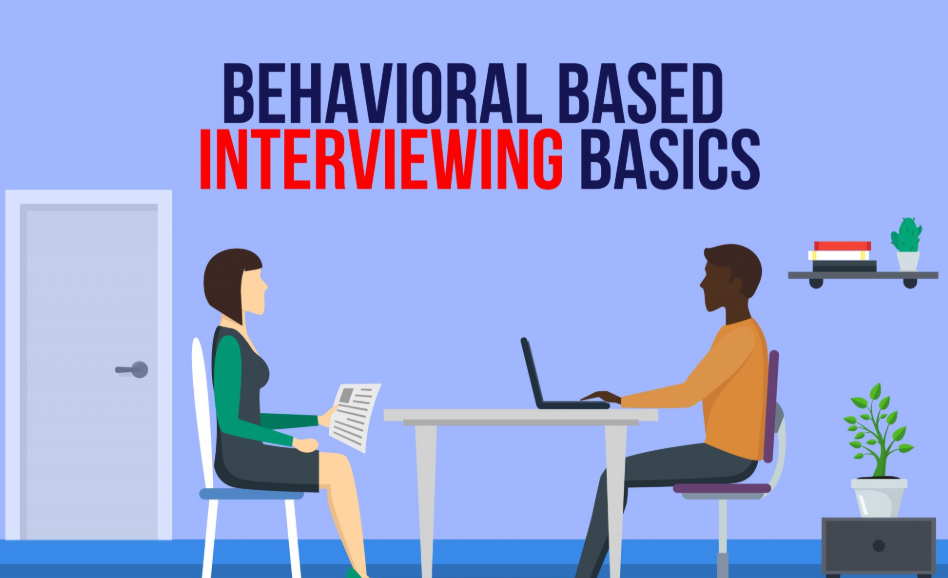
Hiring the right talent is one of the most important responsibilities for any organization. Traditional interviews often rely on opinions, assumptions, or general questions that may not accurately predict how a candidate will perform on the job. Behavior Based Interviewing Training helps hiring managers and recruiters adopt a structured approach to evaluating candidates based on their past experiences and real behaviors.
Organizations that invest in behavior-based interviewing training gain the ability to conduct fair, objective, and data-driven interviews that lead to better hiring outcomes and stronger teams.
What Is Behavior Based Interviewing?
Behavior based interviewing is a structured interview method based on the idea that past behavior is the best predictor of future performance. Instead of asking hypothetical questions, interviewers ask candidates to provide specific examples of how they handled situations in previous roles.
For example, instead of asking:
“Are you good at teamwork?”
A behavioral interviewer might ask:
“Tell me about a time when you had to collaborate with a difficult team member. What did you do, and what was the result?”
This approach helps interviewers understand not only what candidates claim they can do, but how they actually behave in real workplace situations.
Why Behavior Based Interviewing Training Is Important
Without proper training, interviews can be inconsistent and influenced by personal bias. Behavioral interviewing training teaches managers how to ask the right questions, listen effectively, and evaluate answers objectively.
Key reasons organizations adopt behavior-based interviewing training include:
Better Hiring Decisions
Structured interviews focus on job-related competencies and real evidence of performance. This increases the accuracy of hiring decisions and reduces costly hiring mistakes.
Reduced Bias in Interviews
A standardized framework ensures all candidates are evaluated using the same criteria, helping organizations build a fair and inclusive hiring process.
Improved Employee Retention
Hiring candidates whose behaviors align with the job and company culture leads to better job fit and long-term employee retention.
Stronger Candidate Experience
Candidates often prefer structured interviews because expectations are clear and they have an opportunity to demonstrate real achievements.
Key Concepts Covered in Behavior Based Interviewing Training
Behavior Based Interviewing Training programs—such as those offered through professional development platforms like LSA Global—focus on practical frameworks and real-world interview techniques.
Understanding Job Competencies
The first step is identifying the competencies required for a role. These might include:
Leadership
Problem-Solving
Communication
Teamwork
Customer Focus
These competencies become the foundation for developing behavioral interview questions.
The STAR Method
One of the most widely used frameworks in behavioral interviewing is the STAR model, which stands for:
Situation
Describe the context or challenge faced.
Task
Explain the responsibility or goal.
Action
Detail the steps taken to address the situation.
Result
Share the outcome and what was achieved.
This method helps interviewers gather structured and detailed responses that reveal how candidates behave in real situations.
Skills Developed Through Behavior Based Interviewing Training
Participants in behavior-based interviewing training programs typically learn several essential interviewing skills.
Designing Effective Behavioral Questions
Training teaches interviewers how to create open-ended questions that encourage candidates to provide detailed examples of past experiences.
Active Listening and Probing
Interviewers learn to ask follow-up questions that uncover deeper insights into a candidate’s behavior and decision-making process.
Evaluating Candidate Responses
Participants are trained to assess answers based on predefined competencies rather than personal impressions.
Maintaining Legal and Ethical Compliance
Proper training also helps organizations avoid illegal or inappropriate questions and maintain compliance with employment laws.
How Behavior Based Interviewing Improves Recruitment Strategy
Behavior-based interviewing training can transform the entire recruitment process.
More Accurate Talent Assessment
Recruiters gain a clearer picture of a candidate’s skills, behaviors, and problem-solving abilities.
Data-Driven Hiring Decisions
Structured scoring systems make it easier to compare candidates objectively.
Stronger Organizational Culture
Hiring employees whose behaviors align with company values improves collaboration and productivity.
Reduced Hiring Costs
By selecting candidates who are more likely to succeed, organizations reduce turnover and the cost of replacing employees.
Who Should Attend Behavior Based Interviewing Training?
This type of training is valuable for anyone involved in the hiring process, including:
HR Professionals
Talent Acquisition Specialists
Hiring Managers
Department Leaders
Business Owners
Whether someone conducts interviews occasionally or regularly, behavioral interviewing skills can significantly improve hiring effectiveness.
Conclusion
Behavior Based Interviewing Training equips organizations with the tools needed to conduct structured, fair, and effective interviews. By focusing on real past behaviors instead of assumptions, companies can make better hiring decisions, reduce bias, and build stronger teams.
With the right training and frameworks—such as competency mapping and the STAR method—interviewers gain the confidence and skills to identify candidates who are truly capable of succeeding in their roles. Over time, this approach leads to improved employee performance, stronger organizational culture, and a more reliable recruitment process.
