

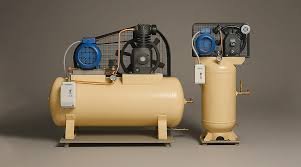
Compressed air systems are the backbone of many industries, powering tools, machinery, and production processes. One of the most efficient and widely used solutions is the Reciprocating Piston Compressor. Known for its durability and high-pressure output, it is a preferred choice for both small workshops and large industrial setups.
A Reciprocating Air Compressor is especially valuable when consistent pressure and performance are required. With so many options available from various Air Compressor Manufacturers, selecting the right one can feel overwhelming. This guide simplifies the process and helps you make an informed decision.
Also Read: The Ultimate Guide to Choosing the Right Compressed Air Dryer
What is a Reciprocating Piston Compressor?
A Reciprocating Piston Compressor is a positive displacement machine that uses pistons to compress air within a cylinder. The piston moves back and forth, drawing in air and compressing it to a higher pressure.
Often referred to as a Reciprocating Air Compressor, this type of compressor is widely used in applications that require high pressure and reliability. It is commonly found in:
- Automotive workshops
- Manufacturing units
- Construction sites
- Small and medium industries
How Does a Reciprocating Air Compressor Work?
The working principle of a Reciprocating Air Compressor is simple yet effective. It involves two main processes:
- Suction Stage: Air enters the cylinder as the piston moves downward.
- Compression Stage: The piston moves upward, compressing the air and delivering it at high pressure.
This mechanism ensures efficient air compression and makes the Reciprocating Piston Compressor a dependable choice for various industries.
Types of Reciprocating Piston Compressors
Understanding the types available will help you select the right model:
1. Single-Stage Compressors
- Compress air in one stroke
- Suitable for light-duty applications
- Common in home and small workshop setups
2. Two-Stage Compressors
- Compress air in two stages for higher pressure
- More efficient and durable
- Ideal for industrial applications
3. Oil-Lubricated Compressors
- Use oil for lubrication
- Longer lifespan and better performance
- Require regular maintenance
4. Oil-Free Compressors
- Provide clean, contamination-free air
- Ideal for medical and food industries
- Lower maintenance but shorter lifespan
Leading Air Compressor Manufacturers offer all these variants, ensuring there’s a solution for every requirement.
Key Factors to Consider Before Buying
Choosing the right Reciprocating Piston Compressor involves evaluating several important factors:
1. Pressure Requirement (PSI)
Different applications require different pressure levels. Ensure your compressor meets the required PSI.
2. Airflow (CFM)
CFM determines how much air the compressor can deliver. A higher CFM is necessary for industrial tools.
3. Tank Capacity
Larger tanks store more compressed air, reducing the frequency of motor cycling.
4. Power Source
- Electric compressors for indoor use
- Diesel or petrol compressors for outdoor applications
5. Duty Cycle
Industrial operations require compressors that can run for longer periods without overheating.
6. Energy Efficiency
Modern Reciprocating Air Compressor models are designed to consume less energy while delivering high performance.
7. Brand and Manufacturer
Always choose trusted Air Compressor Manufacturers to ensure product quality, durability, and after-sales support.
Advantages of Reciprocating Air Compressors
The Reciprocating Piston Compressor offers several advantages:
- High Efficiency: Delivers high-pressure air efficiently
- Cost-Effective: Lower initial investment compared to rotary compressors
- Durability: Long-lasting with proper maintenance
- Versatility: Suitable for a wide range of applications
- Easy Maintenance: Simple design allows easy servicing
These benefits make the Reciprocating Air Compressor a popular choice across industries.
Applications of Reciprocating Piston Compressors
The versatility of these compressors makes them ideal for various applications:
- Automotive repair and servicing
- Spray painting and coating
- Operating pneumatic tools
- Industrial manufacturing processes
- Construction and infrastructure projects
Many Air Compressor Manufacturers design specialized models for specific industries, enhancing performance and efficiency.
Maintenance Tips for Long-Term Performance
To ensure optimal performance of your Reciprocating Piston Compressor, follow these maintenance practices:
- Check Oil Levels Regularly (for oil-lubricated models)
- Replace Air Filters to maintain airflow efficiency
- Inspect for Leaks in valves and connections
- Drain Moisture from the tank to prevent corrosion
- Schedule Professional Servicing for industrial compressors
Proper maintenance increases the lifespan of your Reciprocating Air Compressor and reduces downtime.
Common Mistakes to Avoid
Avoid these common errors when selecting a compressor:
- Choosing a compressor with insufficient capacity
- Ignoring future expansion needs
- Prioritizing low cost over quality
- Overlooking energy efficiency
- Not considering after-sales support from manufacturers
Working with reliable Air Compressor Manufacturers helps avoid these issues.
How to Choose the Right Compressor
Follow this step-by-step approach:
- Identify your application
- Calculate PSI and CFM requirements
- Select the appropriate compressor type
- Choose between oil-lubricated and oil-free models
- Evaluate power source and portability
- Compare options from trusted Air Compressor Manufacturers
Why Choosing the Right Manufacturer Matters
The performance of your Reciprocating Piston Compressor depends not only on its specifications but also on the manufacturer. Reputable Air Compressor Manufacturers provide:
- High-quality components
- Reliable performance
- Warranty and service support
- Availability of spare parts
Choosing a trusted manufacturer ensures long-term reliability and efficiency.
FAQs About Reciprocating Piston Compressors
1. What is the difference between a reciprocating piston compressor and a reciprocating air compressor?
Both terms are often used interchangeably. A Reciprocating Air Compressor refers to the same technology where pistons compress air within a cylinder.
2. How do I choose the right capacity compressor?
Calculate the total CFM and PSI requirements of your tools and select a compressor that exceeds those needs slightly for optimal performance.
3. Which industries use reciprocating piston compressors the most?
Industries like automotive, manufacturing, construction, and small-scale workshops widely use these compressors due to their efficiency and reliability.
Conclusion
Choosing the best Reciprocating Piston Compressor is essential for ensuring efficiency, productivity, and cost savings. By understanding your requirements and comparing options from trusted Air Compressor Manufacturers, you can invest in a solution that delivers long-term value.
Whether for small workshops or large industrial operations, a well-selected Reciprocating Air Compressor will provide consistent performance and reliability for years to come.
