

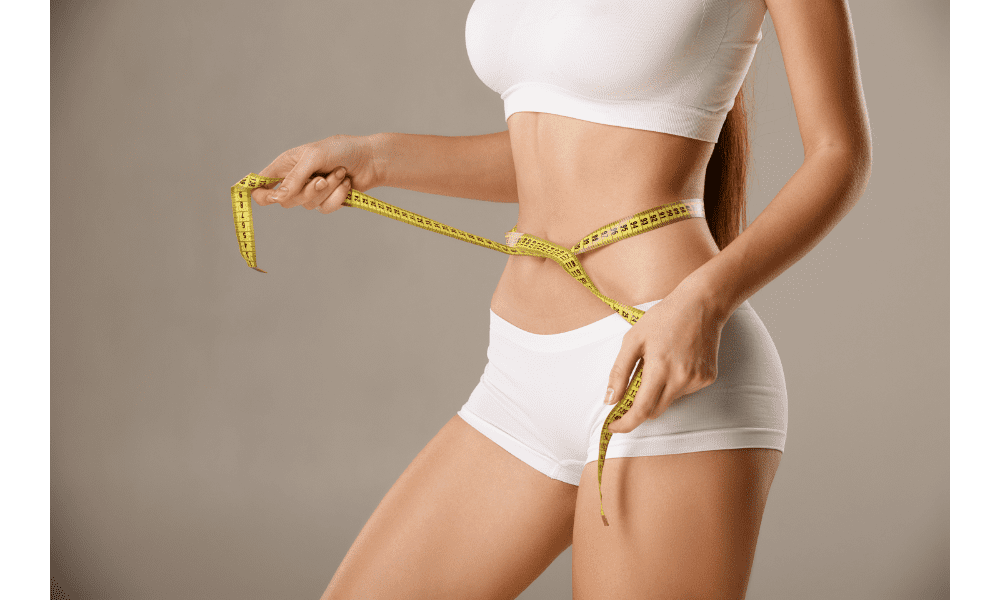
Body Contouring refers to a group of medical procedures designed to reshape specific areas of the body by reducing localised fat and improving overall proportions. It is important to clarify early that body contouring is not intended for weight loss. Instead, it focuses on refining body shape, where lifestyle measures may not lead to targeted changes. Many individuals find that certain areas of fat remain resistant despite regular exercise and balanced nutrition.
Understanding this distinction helps people approach the procedure with realistic expectations and informed intent, especially when considering long-term results rather than immediate visual change.
What Is Body Contouring?
Body contouring involves medical techniques that address stubborn fat deposits and, in some cases, mild skin laxity. These procedures are commonly considered by individuals who have achieved a stable weight but wish to improve body definition or symmetry. Rather than altering overall body size, the aim is to improve proportion and balance between different areas.
Body contouring is often chosen after lifestyle changes have already been established, not as a substitute for them. When viewed in this context, it becomes a supportive option that complements personal health efforts rather than replacing them.
How Body Contouring Works?
Body contouring works by targeting fat cells in specific areas of the body. Depending on the approach, fat cells may be removed surgically or disrupted through controlled non-surgical methods. Once affected, the body gradually processes and eliminates these fat cells over time, which explains why results develop progressively rather than instantly.
Skin elasticity plays a significant role in how results appear after treatment. When the skin adapts well following fat reduction, treated areas tend to look smoother and more even. Individual anatomy, tissue quality, and healing response are carefully considered during assessment, as these factors influence how the body responds after the procedure.
Areas Commonly Treated With Body Contouring
Body contouring is most effective in areas where fat tends to remain despite consistent physical activity and balanced nutrition. These areas often show localised fat accumulation rather than general weight gain, which makes them suitable for targeted treatment.
Commonly treated areas include:
- Abdomen
- Thighs
- Upper arms
- Flanks
- Chin and neck
These regions are selected based on anatomical response rather than cosmetic trends. Clinical evaluation helps determine whether a particular area is likely to respond well to treatment, ensuring decisions are based on structure rather than appearance alone.
Who Is an Ideal Candidate for Body Contouring?
Candidacy for body contouring is determined by health status, body composition, and expectations. The procedure is best suited to individuals who meet specific medical and lifestyle criteria and understand the scope of what treatment can achieve.
An ideal candidate typically demonstrates:
- Stable body weight over time
- Localised fat deposits resistant to routine exercise
- Good overall physical health
- Realistic expectations regarding outcomes
When Body Contouring is approached with these factors in place, results are more likely to appear balanced and sustainable, with satisfaction driven by realistic goals rather than assumptions.
Who May Not Be a Suitable Candidate?
While body contouring offers benefits for some individuals, it is not appropriate in every situation. Certain conditions or expectations may limit suitability and should be discussed openly during medical consultation.
Body contouring may not be recommended for individuals who have:
- Significant or ongoing weight fluctuations
- Certain underlying medical conditions affect healing
- Expectations focused on major weight loss
- Reduced skin elasticity without corrective options
Recognising these limitations early helps avoid disappointment and supports safer, more appropriate decision-making.
Importance of Medical Assessment and Local Standards
A thorough medical assessment is essential before proceeding with any body contouring procedure. This evaluation considers anatomy, skin quality, fat distribution, and overall health to determine whether treatment is suitable. In regulated clinical environments such as Adelaide plastic surgery practices, structured assessment protocols help ensure consistency, safety, and responsible care.
This process allows treatment plans to be tailored to individual needs rather than applied uniformly, which is particularly important when outcomes depend heavily on personal anatomy.
Recovery, Results, and Long-Term Considerations
Recovery and outcome timelines vary depending on the treatment approach and individual response. Results are typically gradual rather than immediate, allowing the body time to adjust naturally after the procedure.
Key long-term considerations include:
- Gradual visibility of results as the body processes the treated fat
- Importance of maintaining stable body weight
- Role of healthy daily routines in preserving outcomes
- Natural skin ageing over time
Within Adelaide plastic surgery settings, post-procedure guidance often focuses on recovery awareness and long-term maintenance rather than short-term changes or rapid results.
Conclusion
Body contouring is best understood as a targeted method for refining body shape rather than altering body weight. By understanding how it works, who it suits, and where its limitations lie, individuals can make informed choices grounded in health and practicality. Careful medical assessment, realistic expectations, and consistent lifestyle habits all play a role in achieving balanced and responsible outcomes.
