

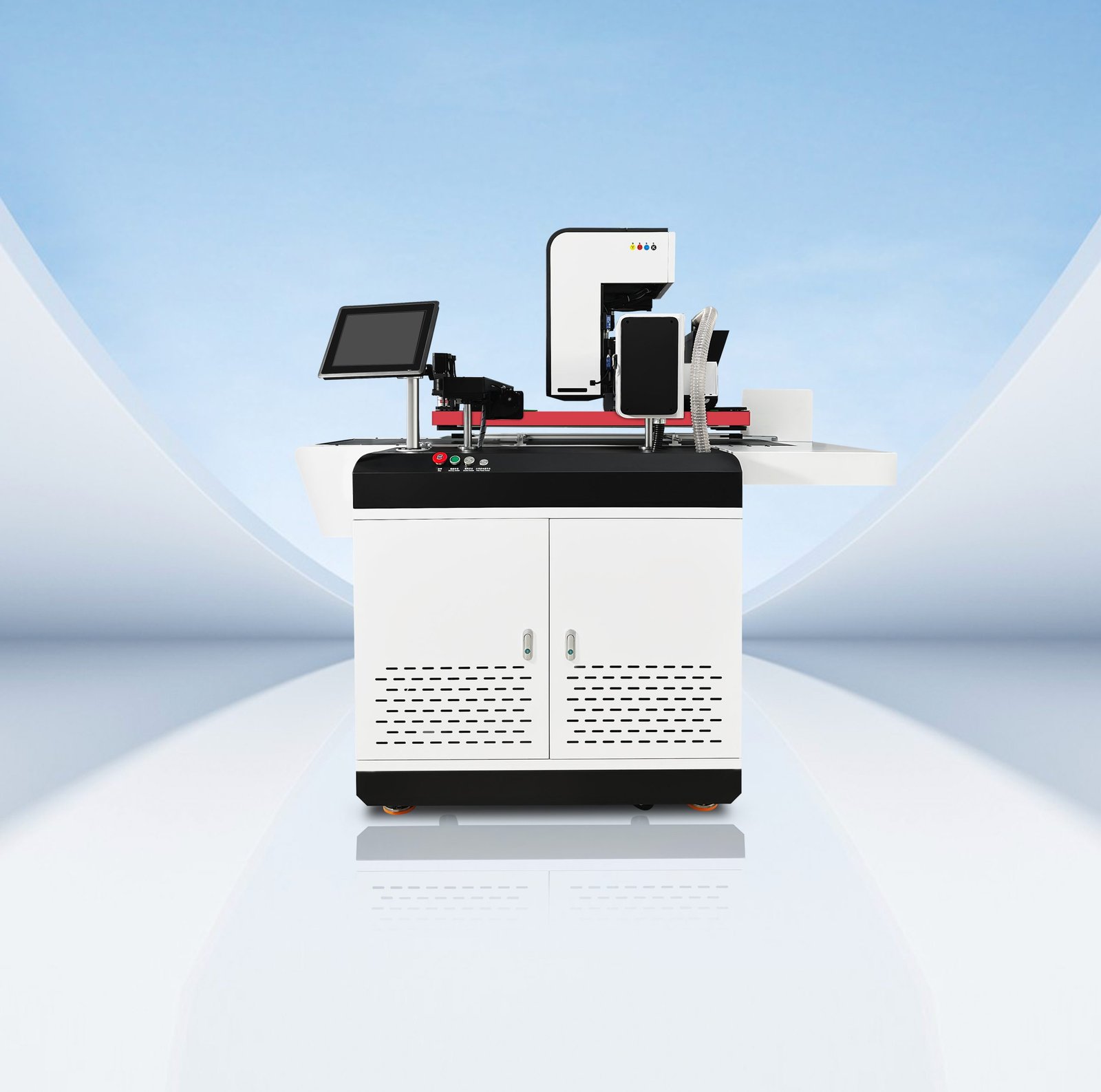
Book edge printing has become a powerful way for publishers and print businesses to add visual value to books. From luxury editions to branding-focused publications, edge printing creates a strong first impression. Modern printing technology has made this process faster, cleaner, and more precise than ever before. A book edge printer allows printers to apply designs, colors, patterns, or text directly onto the edges of bound books. This guide explains how book edge printing works, the types of machines available, key benefits, and how to choose the right solution for professional use. The goal is to provide clear, practical knowledge for anyone exploring this advanced printing method.
What Is a Book Edge Printer and How Does It Work?
A Book Edge Printer is a specialized machine designed to print directly on the edges of books after binding. Unlike traditional printing that focuses on covers or inner pages, this technology targets the outer edges—front, side, or bottom.
Basic Working Process
The process usually follows these steps:
- Book Alignment
Books are tightly clamped to ensure perfectly aligned edges. - Surface Preparation
Dust and loose fibers are removed for smooth ink application. - Printing Process
Digital or inkjet heads apply ink evenly across the edge surface. - Drying and Finishing
UV or air-drying systems ensure quick drying without smudging.
This method supports full-color images, gradients, logos, and even fine text, making it suitable for both decorative and commercial applications.
Types of Book Edge Printer Machines Available Today
Choosing the right Book Edge Printer depends on production volume, print quality needs, and budget. Modern printers can select from several machine types.
Manual and Semi-Automatic Printers
These machines are suitable for small print shops or limited-edition projects.
- Lower initial investment
- Requires operator involvement
- Ideal for short print runs
Fully Automatic Digital Printers
Designed for high-volume production environments.
- Fast printing speed
- Consistent quality
- Minimal manual handling
Single-Pass Digital Edge Printers
Single-pass machines print the entire edge in one movement.
- High precision and speed
- Best for commercial publishing
- Reduced production time
Each type offers different advantages, making it important to match the machine with business goals.
Key Features to Look for in a Book Edge Printer
Selecting the right machine requires attention to technical and practical features.
Print Resolution and Color Accuracy
High DPI resolution ensures sharp images and clean text. Accurate color reproduction is essential for branding and premium books.
Ink Compatibility
Modern printers support UV, water-based, or pigment inks. UV inks are popular due to fast drying and durability.
Book Size and Thickness Support
A flexible machine should handle different book formats, from thin paperbacks to thick hardcovers.
Software Integration
User-friendly software allows easy file setup, color management, and repeat jobs without errors.
Benefits of Using Book Edge Printing Technology
Book edge printing adds both visual and commercial value.
Enhanced Visual Appeal
Printed edges turn books into eye-catching products, especially for display shelves and collector editions.
Strong Branding Opportunities
Publishers can print logos, patterns, or campaign designs for brand recognition.
Higher Market Value
Edge-printed books are often perceived as premium products, allowing higher pricing.
Versatile Applications
This technology is used for novels, diaries, corporate books, academic publications, and promotional materials.
Common Applications in the Printing Industry
Book edge printing is no longer limited to luxury publishing.
Commercial Publishing
Publishers use edge printing to differentiate special editions and new releases.
Corporate and Promotional Use
Businesses use printed-edge notebooks and books as high-end promotional items.
Educational and Institutional Printing
Libraries and institutions use edge marks for categorization and identity.
Custom and On-Demand Printing
Digital edge printers support customization, making short runs cost-effective.
Maintenance and Best Practices for Long-Term Performance
Proper care ensures consistent results and longer machine life.
Regular Cleaning
Ink heads and clamps should be cleaned regularly to avoid streaks or misalignment.
Correct Ink Storage
Ink should be stored under recommended conditions to maintain quality.
Operator Training
Skilled handling reduces errors and material waste.
Scheduled Servicing
Routine inspections prevent unexpected downtime and costly repairs.
How to Choose the Right Book Edge Printer for a Business
Selecting the right solution requires a clear understanding of business needs.
Assess Production Volume
High-volume operations benefit from fully automatic or single-pass machines.
Evaluate Print Quality Expectations
Premium publishing demands higher resolution and color consistency.
Consider Space and Power Requirements
Some machines require more floor space and specific electrical setups.
Balance Budget and ROI
A higher initial investment can lead to faster returns through efficiency and quality output.
Future Trends in Book Edge Printing
Technology continues to evolve rapidly in this area.
- Increased use of AI-based color control
- Faster single-pass printing systems
- Eco-friendly inks and energy-efficient designs
- Greater customization for print-on-demand services
These trends indicate strong growth potential for businesses adopting modern edge printing solutions.
Robotjet-global: Advanced Solutions for Book Edge Printing
Robotjet-global is a trusted name in advanced digital printing solutions, offering innovative technology for professional book edge printing. The company focuses on precision-engineered machines designed for speed, accuracy, and long-term reliability. Robotjet-global solutions support high-resolution output, smooth color application, and efficient workflow integration for modern print businesses. With a strong emphasis on quality, automation, and customer support, Robotjet-global helps printers achieve premium results while maintaining productivity. Its machines are suitable for both commercial publishers and specialized print houses looking to enhance book value and visual impact.
