

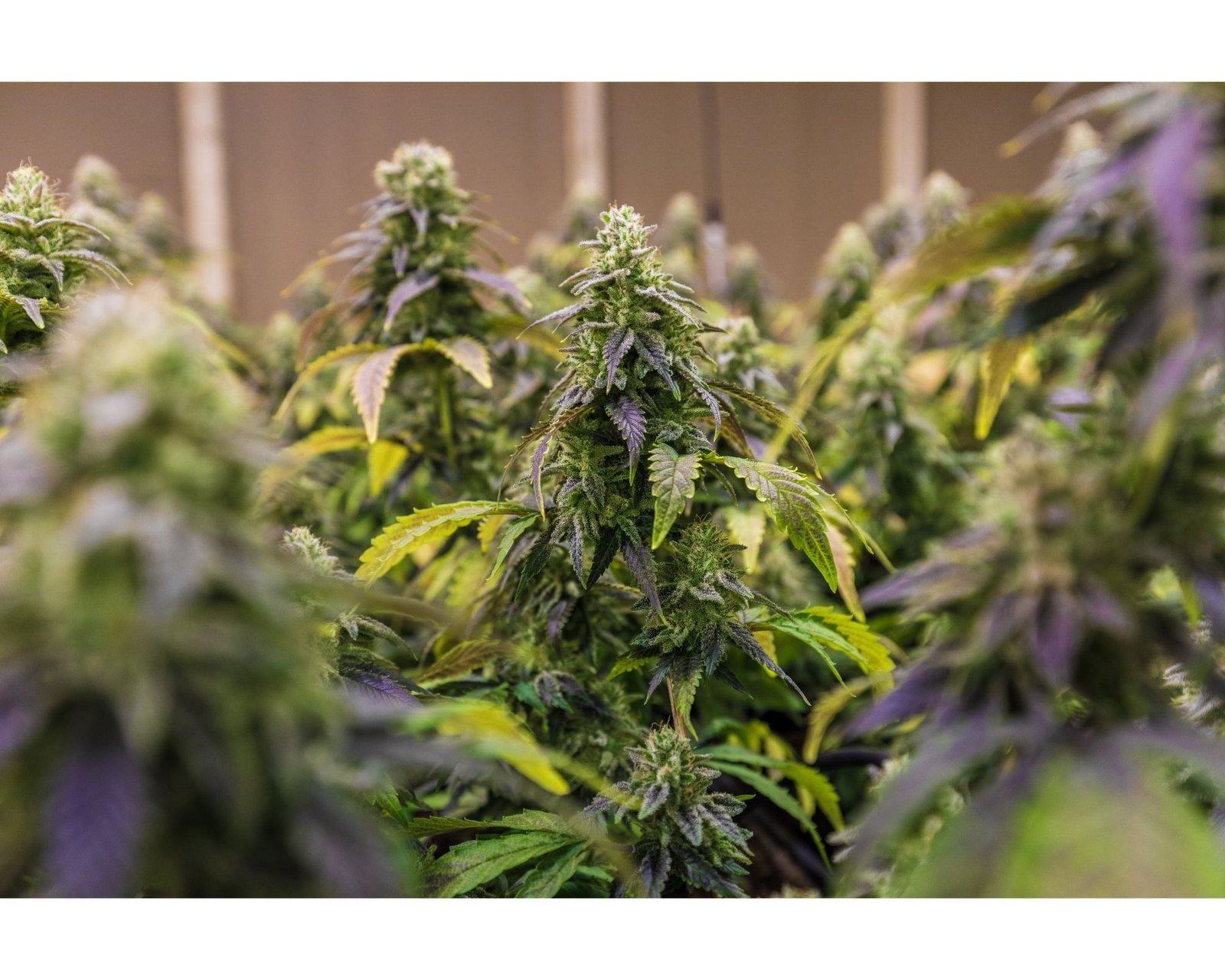
As legal cannabis markets continue to expand, the structure of how cannabis is produced, distributed, and sold has evolved significantly. One area that attracts growing interest is bulk purchasing, often referred to as buying wholesale. For licensed retailers, manufacturers, and distributors, the decision to buy wholesale weed is not simply about volume—it is about consistency, compliance, pricing efficiency, and supply chain reliability.
Wholesale purchasing plays a foundational role in regulated cannabis ecosystems, ensuring that products move safely and transparently from cultivators to end consumers.
What Wholesale Cannabis Purchasing Means
Wholesale cannabis purchasing involves acquiring cannabis products in bulk quantities directly from licensed cultivators or authorized distributors. These transactions typically occur business-to-business and are governed by strict regulations that vary by jurisdiction.
When businesses buy wholesale weed, they are sourcing products intended for resale, processing, or manufacturing—not personal use. This distinction is essential, as wholesale cannabis is subject to different licensing, tracking, and reporting requirements than retail purchases.
Why Businesses Choose to Buy Wholesale
The primary motivation for wholesale purchasing is operational efficiency. Buying in bulk allows licensed businesses to maintain consistent inventory levels, manage pricing structures, and meet consumer demand without frequent sourcing disruptions.
Wholesale purchasing also enables better planning. Retailers and manufacturers can forecast demand, negotiate supply contracts, and maintain product consistency across locations or production cycles. For many businesses, the ability to buy wholesale weed supports scalability and long-term growth.
Regulatory Compliance and Licensing
Cannabis is one of the most heavily regulated industries in the world. Wholesale transactions are monitored through seed-to-sale tracking systems that record cultivation, processing, transport, and sale.
Businesses involved in wholesale purchasing must hold appropriate licenses and comply with local laws related to storage, transportation, testing, and reporting. This regulatory framework ensures consumer safety while maintaining accountability throughout the supply chain.
Quality Control and Testing Standards
Wholesale cannabis products are subject to mandatory laboratory testing before they can be sold or processed further. These tests typically cover potency, contaminants, pesticides, and microbial safety.
When businesses buy wholesale weed, they receive detailed documentation outlining test results, batch information, and origin. This transparency allows retailers and manufacturers to maintain consistent quality standards and protect their brand reputation.
Types of Products Available at Wholesale Level
Wholesale cannabis is not limited to raw flower. Depending on licensing and market structure, wholesale offerings may include:
- Dried cannabis flower
- Pre-ground or shake material
- Concentrates and extracts
- Edibles and infused products (where permitted)
- Raw material for manufacturing
This diversity allows businesses to tailor their inventory or production inputs to their specific market niche.
Pricing and Cost Efficiency
One of the advantages of wholesale purchasing is cost efficiency. Bulk pricing typically reduces per-unit costs, allowing retailers to offer competitive pricing while maintaining margins.
However, wholesale pricing reflects more than volume alone. Factors such as cultivation method, strain genetics, testing outcomes, and market demand all influence cost. Businesses evaluating whether to buy wholesale weed must balance price with quality, consistency, and supplier reliability.
Supply Chain Relationships and Reliability
Strong relationships between cultivators, distributors, and retailers are essential in the cannabis industry. Wholesale purchasing often involves long-term contracts or repeat transactions that depend on trust and performance.
Reliable suppliers ensure consistent product availability, accurate documentation, and timely delivery. For businesses operating in regulated markets, supply chain stability is just as important as pricing.
Ethical and Sustainable Considerations
Many cannabis businesses prioritize sustainability and ethical sourcing. Wholesale buyers may seek suppliers that follow environmentally responsible cultivation practices, fair labor standards, and transparent operations.
These considerations increasingly influence purchasing decisions, as consumers become more aware of how cannabis products are grown and produced. Wholesale purchasing allows businesses to align their inventory with their values and brand identity.
Challenges in Wholesale Cannabis Purchasing
Despite its advantages, wholesale purchasing also presents challenges. Market fluctuations, regulatory changes, and supply shortages can impact availability and pricing. Additionally, compliance requirements demand careful recordkeeping and operational discipline.
Businesses that buy wholesale weed must stay informed about evolving regulations and market conditions to avoid disruptions or compliance issues.
The Future of Wholesale Cannabis Markets
As legalization expands and markets mature, wholesale cannabis systems are expected to become more standardized and efficient. Improved logistics, clearer regulations, and better market data will likely enhance transparency and stability.
Wholesale purchasing will continue to play a critical role in supporting legal cannabis access, innovation, and consumer trust.
Conclusion
To buy wholesale weed in legal markets is to participate in a regulated, structured supply chain designed to ensure quality, safety, and accountability. Wholesale purchasing supports business growth, cost efficiency, and consistent product availability while reinforcing the integrity of the cannabis industry.
As consumer demand evolves and regulations develop, wholesale cannabis remains a cornerstone of sustainable and responsible cannabis commerce.
