

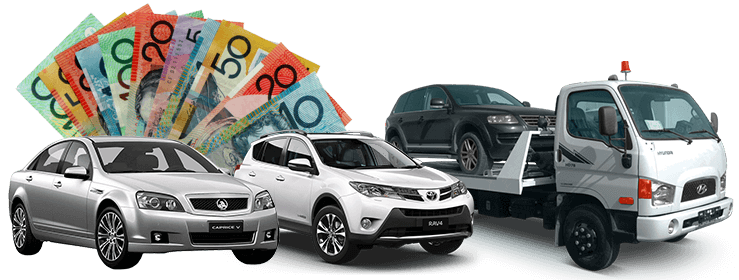
Unwanted cars are common across Brisbane and Townsville. Many vehicle owners keep old, damaged, or unused cars parked at homes, yards, or work sites. These vehicles often lose road value over time and take up useful space. When a car no longer runs, fails inspection, or costs too much to repair, scrap car removal becomes a practical choice.
The scrap car process helps remove unwanted vehicles while turning them into reusable materials. This process also supports cleaner streets and safer storage areas. Understanding how the process works helps car owners make better choices and avoid delays.
We explains the full scrap car process for unwanted vehicles in Brisbane and Townsville. Each step is explained in simple terms so that anyone can understand how old cars move from private ownership to recycling yards.
Visit: https://www.cashforunwantedcars.com.au/
What Is an Unwanted Car
An unwanted car is any vehicle that the owner no longer plans to use. This can include cars that do not start, vehicles with engine damage, cars that failed registration checks, accident-damaged vehicles, flood-affected cars, or vehicles left unused for long periods.
In Queensland, many cars become unwanted due to repair costs being higher than the vehicle worth. Older models may also lack parts or meet fewer safety rules. Once a car reaches this stage, scrap removal becomes the next step.
Why Scrap Car Removal Matters in Brisbane and Townsville
Brisbane and Townsville both face growing vehicle numbers every year. Old cars left on private land or roadsides can leak oil, coolant, and battery fluids. These substances can harm soil and nearby water sources.
Queensland recycling programs aim to reduce waste and reuse metal materials. Scrap car removal helps recover steel, aluminium, copper, and other parts that can be reused in manufacturing. According to Australian recycling data, steel from old vehicles can be reused many times without losing strength.
Removing unwanted cars also reduces fire risk and pest problems, especially in warmer Townsville conditions where unused vehicles can attract insects and rodents.
Vehicle Assessment
The scrap car process starts with checking the vehicle condition. This includes the car make, model, year, damage level, and missing parts. Vehicles with complete engines and bodies usually hold higher scrap material weight.
Assessments help determine how the car will be handled. Some cars go straight to dismantling yards, while others may be stripped for usable parts first. This step ensures the vehicle follows the correct recycling path.
Ownership and Paperwork Check
Before a scrap car can be removed, ownership needs confirmation. In Queensland, proof of ownership helps prevent unlawful vehicle disposal. This usually involves photo identification and vehicle details.
If registration documents are missing, alternative checks may be used. The goal is to confirm the vehicle belongs to the person requesting removal. Once confirmed, the process moves forward without issues.
Vehicle Pickup and Transport
After assessment and paperwork review, the vehicle is collected from its location. Cars are removed from homes, garages, roadside areas, or work yards. Non-running vehicles are loaded using towing equipment.
Transport vehicles are designed to move damaged cars without causing harm to surrounding property. Once loaded, the unwanted car is taken to a recycling or dismantling yard.
This step clears space quickly and removes unused vehicles from residential areas.
Fluid Removal and Safety Checks
At the recycling yard, the first task is fluid removal. All liquids such as engine oil, fuel, brake fluid, and coolant are drained. These fluids are handled under environmental rules to avoid spills.
Batteries are removed and processed separately due to their chemical content. Tyres are also taken off and sent to tyre recycling facilities. These steps ensure safe handling before dismantling begins.
Dismantling and Parts Sorting
After fluids are removed, the vehicle enters dismantling. Reusable parts such as engines, gearboxes, doors, and panels are separated. Some parts may be reused in other vehicles, while others go for material recycling.
Metals are sorted by type. Steel, aluminium, and copper are grouped for processing. Sorting helps improve recycling quality and reduces waste.
This step plays a major role in reducing landfill use across Queensland.
Metal Crushing and Recycling
Once dismantling is complete, the remaining vehicle shell is crushed. Crushing reduces the car size and prepares it for metal processing. The crushed metal is sent to recycling plants.
Recycled steel from vehicles is commonly reused in construction, manufacturing, and infrastructure projects. According to industry data, recycling steel uses less energy compared to producing new steel from raw materials.
This step completes the physical scrap process.
Legal and Environmental Rules in Queensland
Queensland has clear rules for vehicle disposal. Scrap yards must follow environmental protection laws. These laws control fluid handling, waste storage, and recycling methods.
Illegal dumping of vehicles can lead to fines. Using approved scrap car processes helps owners stay within the law while supporting environmental care.
Brisbane and Townsville councils support vehicle recycling to reduce pollution and keep public areas clear.
Common Reasons People Choose Scrap Car Removal
Many owners choose scrap car removal due to repeated breakdowns, accident damage, or high maintenance costs. Others remove vehicles after upgrading to newer models.
In coastal Townsville areas, salt exposure can cause rust over time. In Brisbane, heavy traffic and weather can wear vehicles faster. Scrap removal becomes a practical solution once repairs stop making sense.
How Scrap Car Removal Supports Recycling Goals
Australia aims to increase metal recycling rates. Old cars contain large amounts of reusable metal. Each recycled vehicle reduces the need for new mining and lowers industrial waste.
Recycling also supports job creation in dismantling, transport, and processing industries. The scrap car process connects local vehicle owners with broader recycling systems.
Connecting Scrap Removal With Local Services
People searching for scrap car solutions often want clear steps and lawful handling. One example of this approach can be seen through cash for cars townsville, where vehicle removal aligns with recycling needs and local conditions. Services like this help move unwanted cars from private spaces into approved recycling paths, ensuring proper handling from pickup to processing. More details can be found here: https://www.cashforunwantedcars.com.au/cash-for-cars-townsville/
Final Thoughts on the Scrap Car Process
The scrap car process in Brisbane and Townsville follows a clear path. It starts with assessment, moves through safe removal, and ends with recycling. Each step supports cleaner surroundings and responsible vehicle disposal.
Understanding this process helps car owners act with confidence. Removing unwanted vehicles clears space, reduces environmental risk, and supports recycling efforts across Queensland.
Old cars do not need to sit unused. With proper handling, they become useful materials again, supporting a cleaner future for Brisbane and Townsville communities.
