

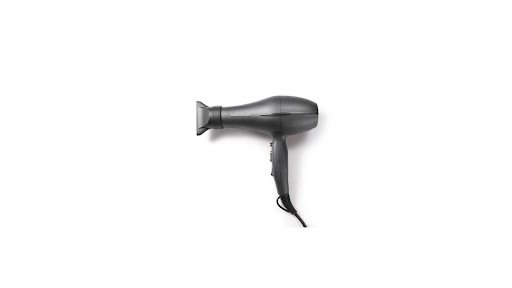
Hair responds to heat, airflow, plus mechanical tension in ways that often remain invisible at first. What feels like a simple daily routine can gradually reshape moisture balance, surface texture, plus internal resilience. Consistency matters more than intensity, because repeated exposure to unstable heat causes cumulative fatigue within strands. Over time, even small inefficiencies begin to show through roughness, dullness, or increased fragility.
Consumers now look beyond superficial features, focusing instead on engineering integrity, airflow stability, plus temperature precision. This shift explains why buyers increasingly research the best hair dryer brand before committing, recognizing that equipment design directly influences hair preservation. Better devices stabilize thermal exposure, allowing hair to maintain elasticity while reducing structural disruption. This transition reflects a broader awareness that technology choices affect long-term hair strength, not just short-term appearance.
Heat Stability Determines Structural Preservation
Hair consists primarily of keratin proteins organized in layered formations that depend on controlled moisture levels. Excessive or inconsistent heat disrupts hydrogen bonds, weakening internal alignment while increasing vulnerability to breakage. Stable thermal delivery helps preserve these bonds, ensuring hair retains flexibility rather than becoming brittle. Controlled heating also prevents rapid moisture evaporation, which otherwise leaves strands dehydrated.
Equally important is how evenly the heat spreads across sections during drying. Uneven distribution forces certain areas to absorb more stress, accelerating surface damage. Precision-regulated devices create predictable exposure, allowing gradual drying rather than aggressive dehydration. This balanced approach maintains surface smoothness while protecting internal cohesion, helping hair sustain long-term durability without sacrificing daily styling convenience.
Airflow Engineering Shapes Drying Efficiency
Airflow design determines how effectively moisture exits hair without creating unnecessary heat concentration. Strong yet balanced airflow shortens drying time while reducing prolonged exposure to elevated temperatures. Faster moisture removal lowers cumulative stress, allowing strands to recover their natural structure more easily. Efficient airflow also improves styling control by directing movement without excessive force.
The internal motor architecture influences airflow consistency during extended use. Poor airflow stability creates fluctuations that expose hair unevenly, increasing stress in unpredictable ways. High-performance systems maintain steady velocity, ensuring predictable drying patterns. This consistency improves both styling accuracy plus structural safety, making airflow engineering one of the most important factors in preserving hair health.
Motor Design Influences Long-Term Reliability
Motor stability directly affects airflow precision, especially during repeated daily use. Inconsistent motors produce uneven output, creating unnecessary stress on hair surfaces. Reliable motor systems maintain steady airflow, reducing thermal fluctuation. This allows hair to dry uniformly without localized overheating or excessive force.
Durable motor construction also ensures consistent performance across years of operation. Reliable airflow reduces dependence on higher temperatures, lowering structural stress. This relationship between motor integrity plus hair preservation highlights why internal engineering matters beyond visible features. Long term reliability protects both performance plus hair condition simultaneously.
Nozzle Precision Improves Directional Control
Nozzle design determines how accurately airflow targets specific areas without disturbing surrounding sections. Narrow, controlled airflow reduces unnecessary exposure while improving styling accuracy. Precision direction minimizes friction, allowing smoother alignment of strands. This improves overall texture while reducing mechanical strain.
Focused airflow also shortens drying duration, limiting cumulative heat exposure. Less exposure translates into reduced structural fatigue over time. This efficiency benefits both daily convenience plus long term hair preservation. Directional control ultimately enhances both safety plus styling predictability.
Balanced Air Pressure Prevents Mechanical Stress
Excessive air pressure can disrupt cuticle alignment, increasing roughness plus frizz formation. Balanced airflow maintains movement without overwhelming hair structure. This stability protects the outer layer, preserving natural smoothness. Reduced mechanical stress helps maintain elasticity over repeated use.
Consistent pressure also improves comfort during styling routines. Hair remains manageable without excessive pulling or disruption. This gentler drying process preserves integrity while improving daily usability. Balanced airflow contributes significantly to long-term structural stability.
Understanding What Defines the Best Dryer for Hair
The phrase best dryer for hair reflects more than brand reputation or cosmetic appearance. It represents devices that balance heat, airflow, plus control to preserve structural integrity. Properly engineered systems prevent excessive thermal concentration while maintaining efficient drying. This balance ensures both performance plus protection coexist effectively.
Devices designed with structural preservation in mind emphasize precision rather than raw intensity. Controlled thermal output protects internal bonds while preserving surface smoothness. Predictable airflow prevents localized stress accumulation, supporting uniform drying. These combined factors help maintain strength, flexibility, plus long term resilience without compromising styling capability.
Temperature Control Prevents Excessive Dehydration
Precise temperature regulation ensures hair dries gradually without sudden moisture loss. Gradual drying protects keratin alignment, preserving elasticity plus strength. This approach prevents brittleness caused by excessive dehydration. Controlled heat supports long-term structural stability.
Stable temperature output also improves styling consistency. Hair responds more predictably under regulated conditions. Reduced variability minimizes accidental damage. Temperature control therefore plays a critical role in preserving hair health.
Material Construction Influences Heat Distribution
Internal components affect how heat transfers through airflow systems. High-quality materials distribute heat evenly, preventing localized concentration. Even distribution reduces stress accumulation across individual strands. This improves overall structural preservation.
Durable construction also ensures consistent performance over extended periods. Stability improves safety plus predictability. Long-term reliability protects hair from gradual cumulative damage. Material quality remains central to sustained protection.
Ergonomic Design Improves Daily Usability
Comfortable handling improves control, reducing accidental exposure or uneven drying. Better grip stability allows precise airflow positioning. Improved handling minimizes mechanical stress. This enhances both efficiency plus safety.
Ergonomic balance also reduces fatigue during extended use. Comfortable operation improves overall consistency. Reliable control protects hair structure. Ease of use directly supports healthier styling routines.
Final Thoughts on Selecting Reliable Hair Technology
Hair care routines increasingly depend on technological precision rather than simple heat exposure. Consumers recognize that structural preservation requires airflow stability, controlled heat, plus consistent performance. This awareness encourages careful evaluation of engineering integrity before choosing equipment. Reliable devices protect long-term hair condition while improving styling predictability.
Brands such as MARC Hair Tools illustrate this shift by focusing on consumer-centered design, emphasizing airflow balance, temperature stability, plus durable construction across their available hair tools. This approach reflects growing demand for technology that preserves hair integrity without compromising usability. Selecting devices built around structural protection ensures healthier outcomes, supporting both immediate styling needs plus sustained long term hair resilience.
