

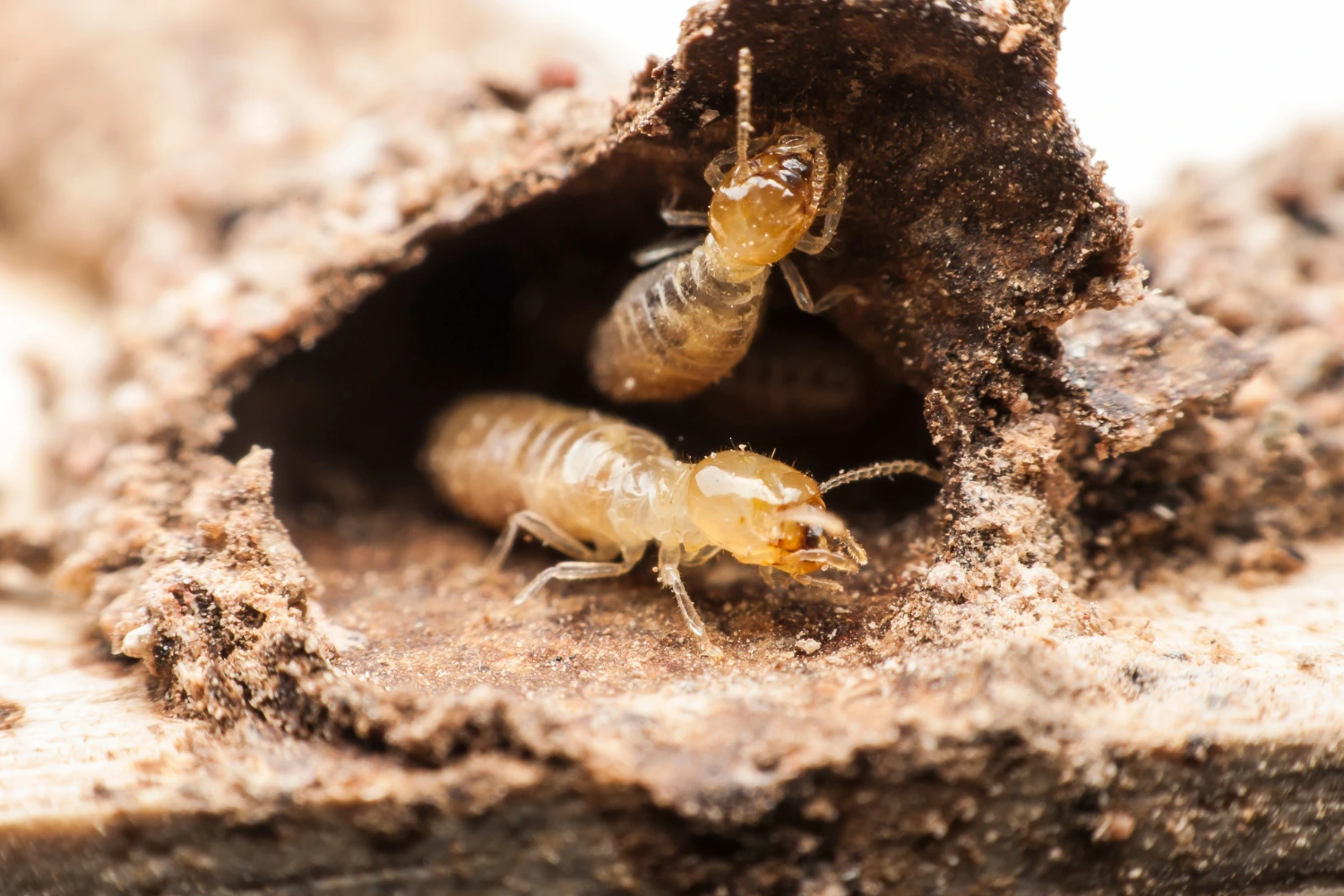
Termite inspections are a critical part of protecting a home or building from one of the most destructive pests in the world. Termites cause billions of dollars in damage each year, often without homeowners realizing it until serious structural problems emerge. Because termites work quietly and out of sight, professional inspectors know exactly where to look to detect early warning signs. Understanding the common areas inspectors check during a termite inspection can help homeowners appreciate the process and recognize potential risk zones within their property.
1. Exterior Foundation and Perimeter
The inspection typically begins outside the home, focusing on the foundation and surrounding perimeter. Termites often enter a structure from the soil, making this area one of the most critical inspection zones.
Inspectors look for:
- Mud tubes along foundation walls
- Cracks in concrete or masonry
- Wood-to-soil contact, such as siding touching the ground
- Excess moisture near the foundation
- Landscaping features like mulch or tree stumps close to the house
Mud tubes are one of the most obvious signs of subterranean termites. These pencil-sized tunnels protect termites as they travel between the soil and food sources. Even old or abandoned tubes can indicate prior activity and warrant further investigation.
2. Crawl Spaces
Crawl spaces are a prime target for termites due to their dark, damp conditions. Inspectors carefully enter crawl spaces to examine support beams, floor joists, and subflooring.
In crawl spaces, inspectors check for:
- Damp or rotting wood
- Termite galleries carved inside wooden beams
- Mud tubes attached to piers or joists
- Poor ventilation or standing water
- Plumbing leaks that create moisture
Because crawl spaces are often neglected by homeowners, termite infestations can thrive there undetected for long periods. Inspectors may use flashlights, probes, or moisture meters to identify hidden damage.
3. Basement Areas
Basements, especially unfinished ones, provide inspectors with clear access to structural components. Even finished basements are inspected closely around exposed edges, utility access points, and storage areas.
Key inspection points include:
- Wooden sill plates resting on foundation walls
- Support columns and beams
- Basement window frames
- Areas near sump pumps or drains
- Stored wood, cardboard, or clutter
Moisture is a major contributor to termite activity, so inspectors pay special attention to basements with leaks, condensation, or poor drainage.
4. Interior Walls and Structural Wood
Inside the home, inspectors examine accessible wooden components that support the structure. While termites often remain hidden inside walls, subtle signs can reveal their presence.
Inspectors look for:
- Hollow-sounding wood when tapped
- Bubbling or peeling paint
- Small pinholes in drywall
- Warped or buckling wood surfaces
- Cracked or weakened baseboards
They may use specialized tools such as sounding devices or infrared cameras to detect internal damage without opening walls. Door frames and window frames are also inspected closely, as termites frequently target these areas.
5. Attics and Roof Structures
Although less common, termites can infest attic spaces, especially if moisture problems exist. Inspectors check attics for roof leaks that could attract termites to wooden rafters and trusses.
Attic inspection areas include:
- Roof framing and trusses
- Insulation near wooden structures
- Signs of water intrusion
- Ventilation quality
- Old termite damage or droppings
Drywood termites are more likely to infest attic areas, as they do not require soil contact. Inspectors are trained to identify the unique signs associated with different termite species.
6. Doors, Windows, and Trim
Doors, window frames, and decorative trim are common entry points for termites. These areas often experience moisture exposure and contain untreated wood, making them vulnerable.
Inspectors examine:
- Door frames and thresholds
- Window sills and casings
- Wooden trim near bathrooms and kitchens
- Caulking gaps or cracks
- Evidence of discarded wings near windowsills
Swarmers—winged termites—are often found near windows and light sources. Finding discarded wings is a strong indicator of an active or recent termite colony.
7. Utility Entry Points
Utility lines that enter the home create small openings in the foundation and walls, which termites can exploit. Inspectors focus on these vulnerable access points.
Areas inspected include:
- Plumbing penetrations
- Electrical conduit entry points
- HVAC lines
- Gas and water meter areas
- Seals around pipes and cables
Any gaps or moisture buildup around utilities increase the risk of infestation and may require sealing or repairs.
8. Garages and Attached Structures
Garages, sheds, decks, and porches are often overlooked but are common termite hotspots. Attached structures can serve as bridges that allow termites to reach the main home.
Inspectors check:
- Wooden garage framing
- Baseboards along garage walls
- Deck posts and supports
- Wooden fences touching the house
- Stored lumber or firewood
Termites may infest these areas first before spreading into living spaces, making them a critical part of the inspection process.
9. Bathrooms and Kitchens
Bathrooms and kitchens are high-moisture areas that can attract termites, especially when leaks go unnoticed.
Inspectors examine:
- Cabinets under sinks
- Areas around bathtubs and showers
- Plumbing access panels
- Flooring near appliances
- Wall voids near water lines
Even small leaks can create ideal conditions for termites over time. Inspectors look for water damage as well as direct signs of infestation.
10. Landscaping and Yard Features
The inspection doesn’t stop at the house itself. Inspectors assess the surrounding property to identify conditions that may invite termites.
Common yard features inspected include:
- Tree stumps and dead trees
- Mulch beds close to the foundation
- Wood piles or firewood storage
- Retaining walls made of wood
- Irrigation systems causing soil moisture
Addressing these exterior factors can significantly reduce the likelihood of future infestations.
Why These Areas Matter
Termites are opportunistic pests that seek out food, moisture, and shelter. Professional inspectors focus on areas where these conditions intersect. By thoroughly examining common risk zones, inspectors can detect infestations early, recommend preventative measures, and help homeowners avoid extensive damage.
Conclusion
A termite inspection is far more detailed than a quick walk-through. Inspectors carefully examine exterior and interior areas, structural components, moisture-prone zones, and surrounding landscapes to uncover even subtle signs of termite activity. Knowing the common areas inspectors check helps homeowners understand the importance of regular inspections and proactive maintenance.
Termites may be small, but their impact can be enormous. Regular professional inspections remain one of the most effective ways to protect your home, preserve its value, and ensure long-term peace of mind.
