

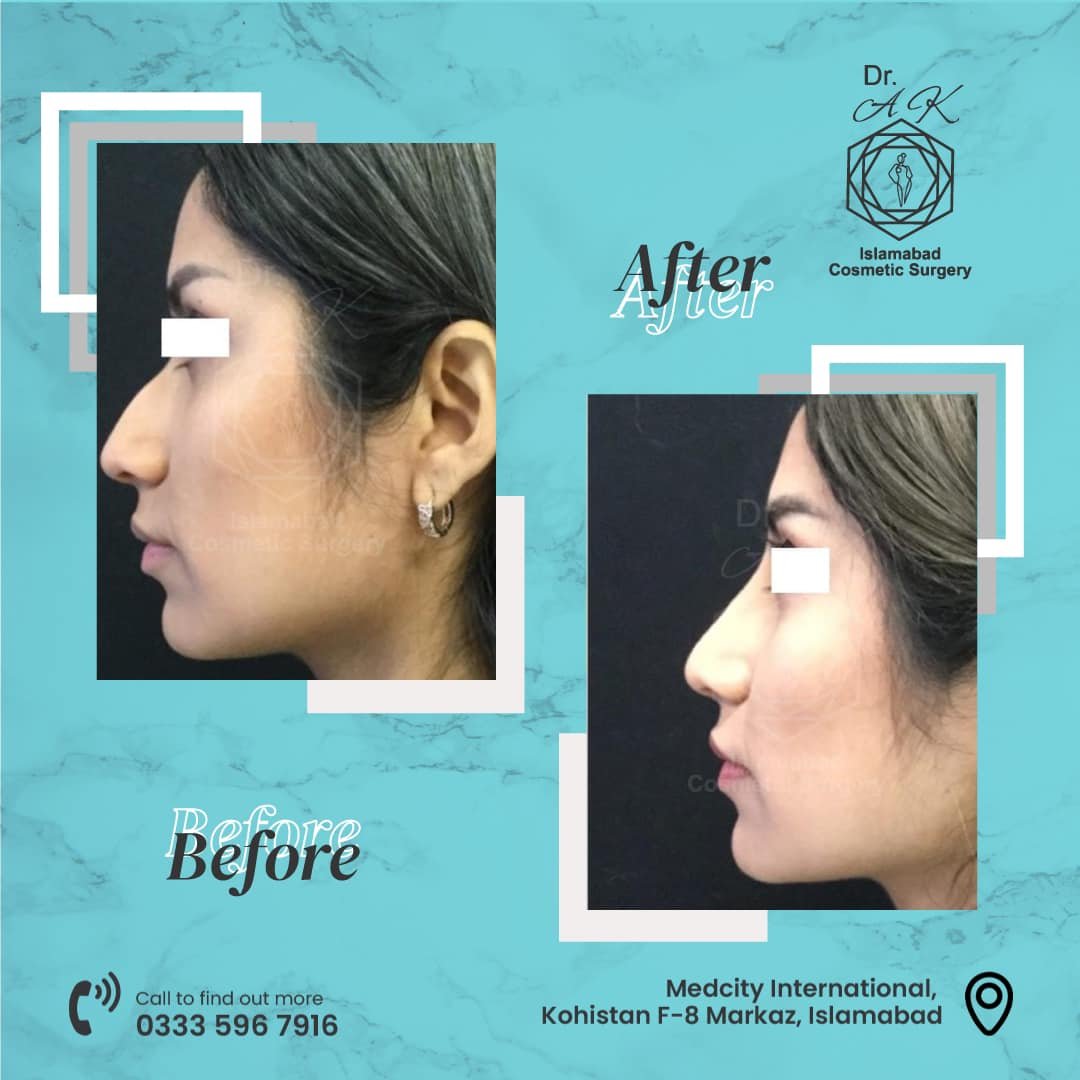
Rhinoplasty is one of the most popular cosmetic procedures worldwide. Many people want to improve the shape of their nose or fix breathing problems. When considering this surgery, people often search for Rhinoplasty Before and After results to see what changes they can expect. However, there are many myths and misunderstandings about what rhinoplasty can do. Believing these myths can lead to unrealistic expectations, disappointment, or even poor decisions.
This article explains the most common myths about Rhinoplasty Before and After results in simple words. It helps you understand what is real, what is possible, and how to approach this surgery carefully.
Myth 1: Results Are Instant
One of the most common myths about Rhinoplasty Before and After results is that the final appearance is immediate. Many patients expect to see their new nose clearly right after surgery. This is not true.
Immediately after surgery, the nose is swollen and sometimes bruised. Swelling can last for weeks or even months, and the tip of the nose may take longer to settle. Early photos or mirrors do not show the final result. Patience is required to see the true changes from rhinoplasty.
Myth 2: Rhinoplasty Can Create a Perfect Nose
Another common misunderstanding is that rhinoplasty can create a “perfect” nose. Many patients bring photos of celebrities and expect the exact same result.
Rhinoplasty Before and After results are personal. Every face is unique, and the nose should match the facial structure. Surgeons focus on balance and proportion rather than creating an artificial look. Perfect symmetry is rare and often unrealistic. Understanding this helps patients be satisfied with natural, harmonious results.
Myth 3: Surgery Is Painful
Many people worry that rhinoplasty will be very painful. While some discomfort is normal, modern techniques and anesthesia make the procedure manageable.
During recovery, most patients feel mild to moderate pain that can be controlled with medication. Bruising and swelling are more noticeable than pain. Proper guidance from the surgeon ensures comfort throughout the healing process.
Myth 4: Only Cosmetic Benefits Matter
Some patients believe rhinoplasty is purely cosmetic. However, Rhinoplasty Before and After results often include functional improvements as well.
Patients with breathing difficulties, deviated septum, or nasal obstruction can see both cosmetic and medical improvements. Many surgeons combine cosmetic reshaping with functional correction, making the results even more valuable.
Myth 5: All Swelling Means Surgery Was Unsuccessful
After surgery, swelling can make the nose appear larger or uneven. Some patients panic, thinking the surgery did not work.
It is normal for swelling to last for several weeks. Minor irregularities in early healing are common. The final Rhinoplasty Before and After appearance becomes visible only after full recovery, which can take several months. Understanding this avoids unnecessary stress.
Myth 6: There Are No Risks
Another dangerous myth is that rhinoplasty is completely risk-free. Like all surgeries, it carries risks such as infection, minor bleeding, or temporary numbness.
A skilled and trusted surgeon minimizes these risks. Following proper instructions during recovery also plays a key role. Patients who are aware of possible risks can make better decisions and avoid complications.
Myth 7: Revision Surgery Is Always Required
Some people believe that Rhinoplasty Before and After results always require a second surgery. In reality, most patients achieve satisfying results in a single procedure.
Revision rhinoplasty is only necessary when complications occur, or when initial results do not meet realistic expectations. Choosing an experienced surgeon reduces the need for corrections.
Myth 8: Rhinoplasty Only Changes Appearance
Many patients do not realize that rhinoplasty affects both appearance and breathing. Even small changes to cartilage or bone can improve airflow.
Functional improvements are sometimes less visible in photos, but they significantly enhance quality of life. The combination of aesthetic and functional benefits makes rhinoplasty a powerful procedure.
Myth 9: Recovery Is Quick
Some people expect to return to normal life immediately after surgery. Recovery is gradual.
Swelling, bruising, and tenderness can last several weeks. Physical activities, especially sports, must be avoided for some time. Full healing may take six months to a year. Being patient ensures the best Rhinoplasty Before and After results.
Myth 10: Results Are the Same for Everyone
Every patient is unique. Skin type, nose structure, age, and healing ability affect Rhinoplasty Before and After outcomes.
A result that looks perfect for one person may not be suitable for another. Surgeons focus on individual facial balance rather than copying someone else’s nose. This personalized approach gives natural, long-lasting results.
Tips for Understanding Rhinoplasty Results
To avoid disappointment and confusion, it is important to approach rhinoplasty with realistic expectations:
- Research and Consultation: Look for a qualified surgeon and have a detailed consultation. Ask about expected results and risks.
- Look at Multiple Cases: Viewing Rhinoplasty Before and After photos of different patients helps understand possible outcomes.
- Understand the Healing Process: Know that swelling, bruising, and minor irregularities are normal in the early stages.
- Follow Instructions: Careful aftercare, including avoiding pressure on the nose and following medication advice, ensures better results.
- Be Patient: Healing takes time. Early impressions are not the final outcome.
Final Thoughts
Rhinoplasty is a powerful surgery that can improve both appearance and function. However, myths about Rhinoplasty Before and After results can mislead patients. Believing these myths can create unrealistic expectations and unnecessary stress.
