

Creating an environment that feels welcoming, functional, and inclusive starts long before a customer walks through the door. Signage plays a critical role in shaping first impressions, guiding visitors, and ensuring that spaces are accessible to everyone. From storefront signs to interior wayfinding and privacy solutions, thoughtful design can improve usability while reinforcing brand identity.
In cities like Vancouver, businesses operate in diverse communities where accessibility is not just a legal requirement but an expectation. Professional signage helps organizations meet these expectations while maintaining a clean, modern appearance that aligns with their values. When done correctly, signage becomes a silent guide that supports customers, clients, and staff without drawing unnecessary attention to itself.
The Role of Accessibility in Modern Sign Design
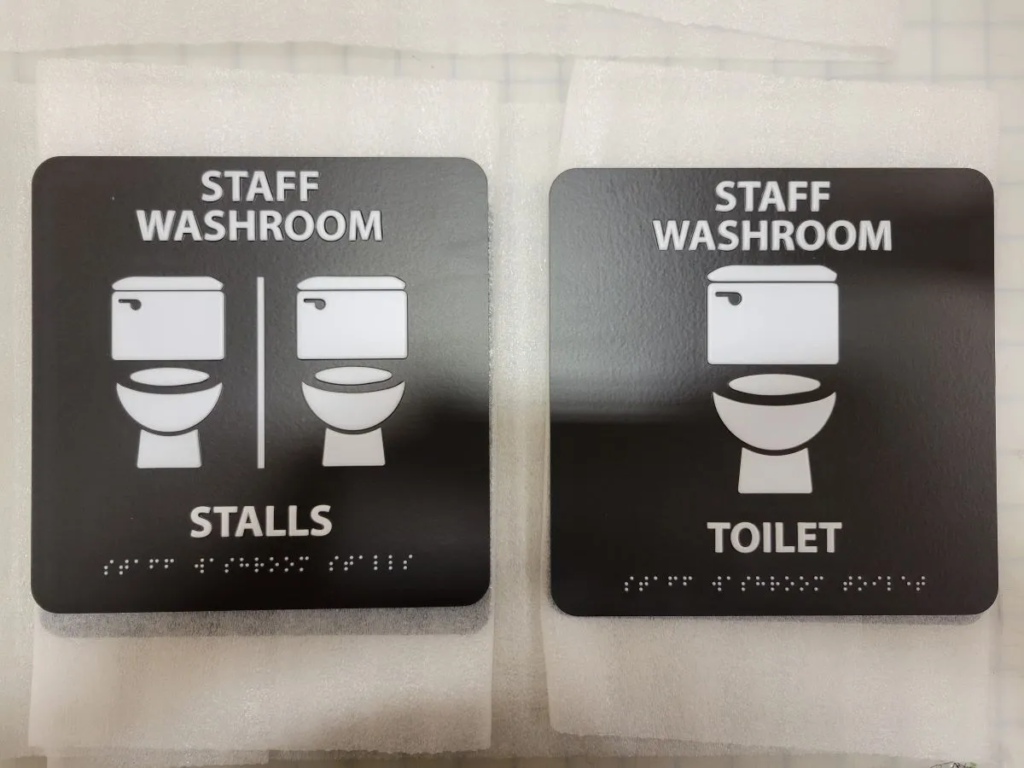
Accessibility is no longer optional for public and commercial spaces. Clear, readable, and compliant signage ensures that individuals of all abilities can navigate environments safely and independently. ADA signage is an essential part of this effort, offering tactile elements, Braille, proper contrast, and standardized placement that support people with visual or mobility impairments.
Beyond compliance, accessible signage reflects a business’s commitment to inclusivity. When visitors can easily locate entrances, exits, restrooms, and service areas, it reduces frustration and creates a more positive overall experience. This level of consideration builds trust and encourages repeat visits, particularly for healthcare providers, retail spaces, and professional offices.
Exterior Signage That Guides and Attracts
Exterior signage is often the first point of interaction between a business and the public. High-contrast storefront signs, dimensional lettering, and well-placed wayfinding elements make it easier for customers to identify the correct location, even from a distance. Legibility is key, especially in busy parking areas or along high-traffic streets.
A well-designed exterior sign balances visibility with aesthetics. Clean typography, durable materials, and appropriate lighting ensure that signage remains effective in all weather conditions. For businesses aiming to stand out while remaining professional, working with a trusted Vancouver Sign Company can make a noticeable difference in quality and longevity.
Interior Signage and the Customer Experience
Once inside, signage continues to guide and reassure visitors. Directional signs, room identifiers, and informational displays help people move confidently through a space. In offices and wellness environments, interior signage can also support privacy and comfort.
Frosted window film, for example, is an effective solution for counselling offices, clinics, and meeting rooms. It allows natural light to flow while creating a sense of separation and discretion. Subtle designs and etched effects contribute to a calm atmosphere without feeling closed off or uninviting.
Interior signage should always align with the overall brand tone. Minimalist designs work well for professional settings, while bolder colors and graphics may suit retail environments. Consistency across all signage elements reinforces brand recognition and creates a cohesive experience.
Compliance Without Compromising Design
One common misconception is that accessible signage must look utilitarian or outdated. In reality, compliance and aesthetics can coexist. Modern materials, clean layouts, and thoughtful color choices allow ADA signage to blend seamlessly into contemporary interiors.
By integrating accessibility requirements early in the design process, businesses can avoid retrofitting later on. This proactive approach saves time and ensures that all signage elements feel intentional rather than added as an afterthought. It also demonstrates professionalism and attention to detail, qualities that customers notice even subconsciously.
Why Professional Fabrication and Installation Matter
High-quality signage is not just about design; fabrication and installation are equally important. Poorly installed signs can become difficult to read, unsafe, or non-compliant. Professional installers understand placement standards, mounting requirements, and local regulations, ensuring that every sign performs as intended.
Experienced sign providers also help businesses select materials that suit their environment, whether that means weather-resistant exterior signage or durable interior finishes that withstand daily use. Companies like Custom ADA Signs specialize in creating solutions that meet regulatory standards while maintaining visual appeal.
Long-Term Value of Thoughtful Signage
Investing in professional signage delivers long-term value. Durable materials reduce maintenance costs, while clear wayfinding improves operational efficiency by reducing confusion and interruptions. Most importantly, accessible signage expands the reach of a business by ensuring that all visitors feel accommodated and respected.
As cities continue to grow and diversify, signage will remain a critical part of how businesses communicate with the public. Those that prioritize accessibility, clarity, and design will stand out as leaders in their industries.
Frequently Asked Question
What is ADA signage and why is it important
ADA signage includes tactile lettering, Braille, proper contrast, and standardized placement to ensure accessibility for individuals with disabilities. It is important for both legal compliance and creating inclusive spaces.
Which businesses need accessible signage
Any public or commercial space such as retail stores, offices, clinics, restaurants, and educational facilities should have compliant signage to support accessibility.
Can accessible signage still match my brand style
Yes. Modern design techniques allow compliant signage to blend seamlessly with your brand through customized materials, colors, and finishes.
Where should ADA compliant signs be installed
They are typically required at permanent rooms and spaces such as restrooms, exits, stairwells, and accessible entrances, following specific height and location guidelines.
How long does professional signage last
With proper materials and installation, quality signage can last many years, even in high-traffic or outdoor environments.