

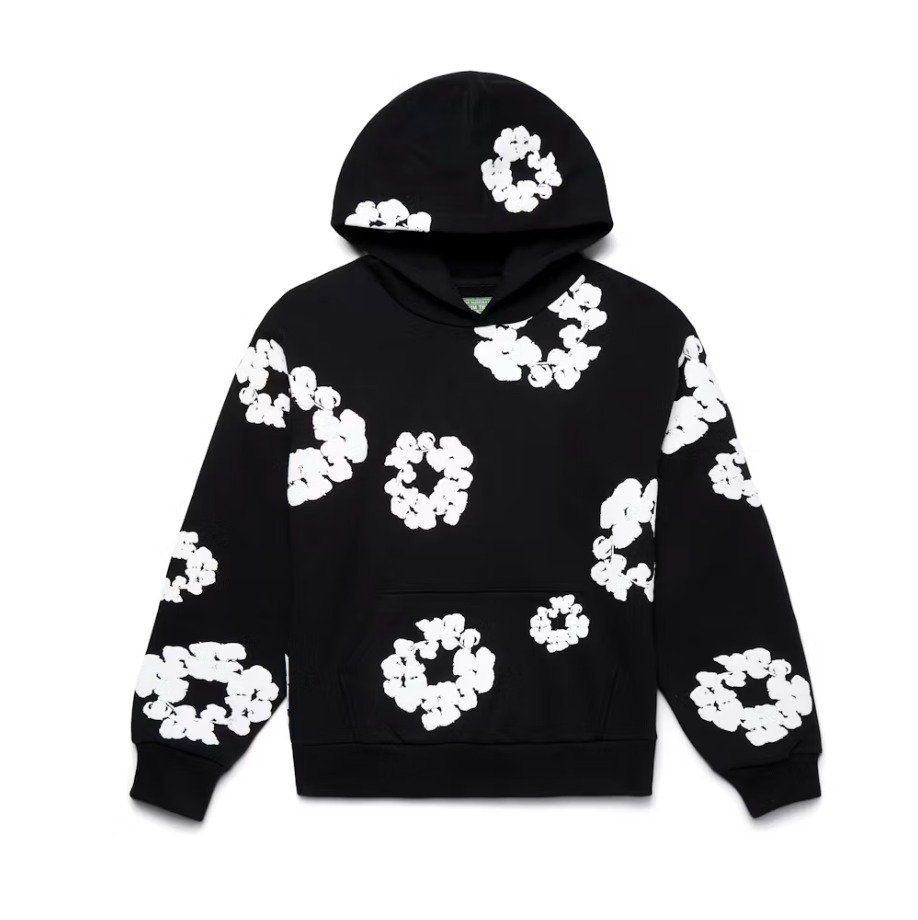
Introduction to the Denim Tears
The Denim Tears tracksuit isn’t just another outfit hanging on a rack or flooding your social media feed—it’s a statement. In a world where streetwear often feels recycled, logo-heavy, and driven by hype alone, Denim Tears cuts through the noise with meaning. Denim Tears Tracksuit: Culture, Craft, and Streetwear Legacy. When someone puts on a Denim Tears tracksuit, they aren’t just choosing comfort or style; they’re wearing a narrative stitched into fabric. That’s what separates this brand from the rest of the streetwear pack.
Tracksuits have always been a symbol of movement—of athletes, artists, rebels, and everyday people navigating the city. Denim Tears takes that familiar silhouette and injects it with history, emotion, and intention. From the textures to the graphics, every detail feels deliberate. You don’t wear a Denim Tears tracksuit to blend in. You wear it to say something without opening your mouth.
What makes the Denim Tears tracksuit so compelling is how effortlessly it balances comfort with cultural depth. It’s relaxed enough for everyday wear but powerful enough to spark conversations. In a time where fashion often feels disposable, Denim Tears offers something lasting—something that sticks with you long after the outfit comes off. This isn’t fast fashion. This is fashion with roots, soul, and purpose. And that’s exactly why the Denim Tears tracksuit has become such a defining piece in modern streetwear culture.
The Origin of Denim Tears
Tremaine Emory and the Vision Behind the Brand
To truly understand the Denim Tears tracksuit, you need to understand the mind behind it—Tremaine Emory. Emory isn’t just a designer; he’s a cultural architect. Before launching Denim Tears, he was already deeply embedded in the creative world, working alongside influential names in fashion, music, and art. But Denim Tears wasn’t born from a desire to chase trends. It was born from a need to tell stories that weren’t being told honestly enough.
Tremaine Emory created Denim Tears as a platform to explore Black history, identity, and lived experience through clothing. His work doesn’t scream for attention—it speaks with intention. Every piece, including the Denim Tears tracksuit, reflects a careful balance of beauty and discomfort. It invites the wearer to reflect, not just consume.
Unlike brands that rely heavily on marketing gimmicks, Denim Tears relies on substance. Emory’s approach is deeply personal, drawing inspiration from historical narratives, cultural memory, and collective experience. Denim Tears Tracksuit: Culture, Craft, and Streetwear Legacy. That’s why Denim Tears doesn’t feel mass-produced, even when it reaches a global audience. It feels intimate. It feels real.
Denim Tears as More Than Fashion
Denim Tears isn’t about seasonal trends or flashy runway moments. It’s about fashion as storytelling. The Denim Tears tracksuit, in particular, represents movement—both literal and metaphorical. Denim Tears Tracksuit: Culture, Craft, and Streetwear Legacy. It speaks to journeys, struggles, resilience, and expression.
What makes Denim Tears different is its willingness to confront history head-on. The brand doesn’t water down its message for comfort or mass appeal. Instead, it uses clothing as a medium for dialogue. Wearing a Denim Tears tracksuit is like carrying a piece of cultural commentary with you throughout your day.
In a world where fashion often prioritizes aesthetics over meaning, Denim Tears flips the script. Denim Tears Tracksuit: Culture, Craft, and Streetwear Legacy. It proves that clothing can be stylish, comfortable, and deeply thoughtful all at once.
What Is a Denim Tears Tracksuit?
Defining the Tracksuit in Streetwear
The tracksuit has long been a cornerstone of streetwear. From hip-hop culture to athletic wear, it’s a symbol of ease, movement, and confidence. But the Denim Tears tracksuit takes that familiar form and elevates it into something far more intentional.
Unlike traditional tracksuits that focus solely on function or branding, Denim Tears tracksuits blend cultural storytelling with everyday wearability. They’re designed to feel lived-in, not costume-like. You can wear them to run errands, attend creative events, or just exist comfortably in your own space.
What sets the Denim Tears tracksuit apart is its ability to feel timeless while still being relevant. It doesn’t chase trends—it creates its own lane. Denim Tears Tracksuit: Culture, Craft, and Streetwear Legacy.
Key Elements of a Denim Tears Tracksuit
A Denim Tears tracksuit is instantly recognizable, but never loud in a cheap way. The silhouettes are usually relaxed, allowing freedom of movement without looking sloppy. The fabrics feel substantial, offering both comfort and durability.
Key elements often include:
- Thoughtful graphic placement
- High-quality cotton or fleece blends
- Muted, earthy color tones
- Symbolic imagery rather than generic logos
Every stitch feels intentional. Nothing is added just for decoration. The result is a tracksuit that feels complete—designed with purpose from top to bottom.
Design Language of Denim Tears
Iconic Graphics and Motifs
One of the most recognizable elements of the Denim Tears tracksuit is its symbolism. The brand frequently uses imagery that references history, heritage, and identity. These graphics aren’t random—they’re rooted in storytelling. The designs often spark curiosity. People ask questions. They want to know what it means. And that’s exactly the point. Denim Tears uses design as a conversation starter, turning clothing into a living, moving canvas.
Color Palettes and Fabric Choices
Denim Tears doesn’t rely on loud colors or excessive contrast. Instead, it leans into earthy tones, neutral shades, and washed finishes. These choices give the tracksuit a timeless feel—something that won’t look dated a year from now. Fabric quality plays a huge role too. The materials feel intentional—soft but sturdy, comfortable but structured. This balance is what makes the Denim Tears tracksuit so wearable day after day.
Cultural Significance of the Denim Tears Tracksuit
Representation and Identity
The Denim Tears tracksuit isn’t just clothing—it’s representation. It speaks to histories that have often been ignored or misrepresented in mainstream fashion. Wearing it feels personal, even if you’re encountering the brand for the first time. It’s about visibility. It’s about acknowledging the past while existing fully in the present. Denim Tears doesn’t ask for permission to tell its story—and that’s what makes it powerful.
Denim Tears in Music, Art, and Pop Culture
From musicians to visual artists, Denim Tears has found a home in creative spaces. The tracksuit, in particular, has become a go-to piece for people who value authenticity over hype. It’s not about flexing. It’s about alignment—wearing something that reflects who you are and what you believe in. Shop Now
