

A home should evolve as life does. What once felt perfectly functional can gradually become restrictive, even unsafe, as mobility, vision, and daily routines change over time. Instead of relocating or compromising comfort, many homeowners are choosing a more strategic approach—transforming their existing space into a long-term sanctuary through a whole house remodel.
Designing for aging-in-place is not about making a home look clinical or institutional. It is about blending intelligent design, subtle accessibility, and future-ready features into a space that continues to feel personal, beautiful, and highly functional. When executed correctly, it becomes an investment not only in property value but in independence, dignity, and peace of mind.
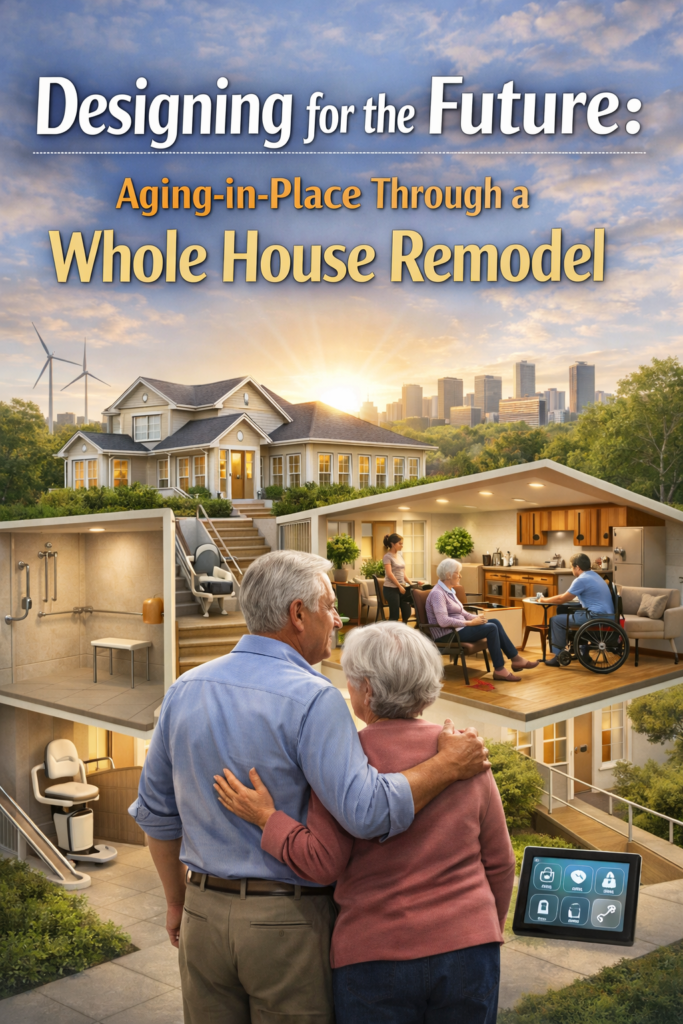
Understanding Aging-in-Place Design
Aging-in-place refers to the ability to live safely and comfortably in one’s own home regardless of age or physical ability. This concept is increasingly relevant as homeowners prioritize long-term livability over short-term aesthetics.
A thoughtfully planned whole house remodel allows you to anticipate future needs without sacrificing current style. It ensures that every space—from entryways to bathrooms—is adaptable, accessible, and aligned with evolving lifestyle demands.
Rather than reactive renovations later, proactive design creates a seamless living experience that supports both present and future functionality.
Why a Whole House Remodel is the Smart Choice
Partial upgrades often fail to address the broader picture. A single bathroom renovation or kitchen upgrade may improve one area but leave other parts of the home disconnected or inefficient.
A whole house remodel offers a cohesive strategy. It allows for:
- Consistent design language across all rooms
- Integrated accessibility features without visual disruption
- Optimized layouts that improve movement and flow
- Future-proof infrastructure, including electrical, lighting, and structural upgrades
This comprehensive approach eliminates the need for repeated renovations and ensures that every design decision works in harmony.
Key Design Elements for Aging-in-Place
1. Step-Free Living and Open Layouts
One of the most critical elements in aging-friendly design is eliminating barriers. Steps, narrow hallways, and tight corners can quickly become obstacles.
A remodel should focus on:
- Zero-step entryways
- Wider doorways and hallways
- Open floor plans that improve navigation
These changes not only enhance accessibility but also create a modern, spacious aesthetic that appeals to all age groups.
2. Kitchen Designs That Prioritize Functionality
The kitchen is a high-traffic area that demands both safety and efficiency. Aging-in-place design focuses on reducing strain and improving accessibility.
Consider incorporating:
- Lowered countertops for seated use
- Pull-out shelves and drawers
- Lever-style handles instead of knobs
- Slip-resistant flooring
A well-designed kitchen within a whole house remodel ensures that daily tasks remain convenient and enjoyable, regardless of physical limitations.
3. Bathroom Safety Without Compromising Style
Bathrooms are one of the most important areas to address in aging-in-place design. However, safety upgrades no longer mean sacrificing aesthetics.
Modern solutions include:
- Curbless walk-in showers
- Built-in seating
- Stylish grab bars that double as design elements
- Non-slip tiles with elegant finishes
These features create a spa-like environment while significantly reducing the risk of accidents.
4. Smart Lighting and Electrical Planning
Lighting plays a crucial role in safety and comfort. Poor visibility can lead to accidents, especially in transitional areas like hallways and staircases.
A comprehensive remodel should include:
- Layered lighting (ambient, task, and accent)
- Motion-sensor lights for nighttime navigation
- Easily accessible switches and outlets
- Smart home integrations for automated control
These enhancements provide both convenience and security, making everyday living more intuitive.
5. Flooring That Supports Stability
Flooring is often overlooked, yet it has a direct impact on mobility and safety.
Ideal choices include:
- Slip-resistant materials
- Low-pile carpets or smooth hard surfaces
- Seamless transitions between rooms to avoid tripping hazards
Consistency in flooring throughout the home ensures better balance and reduces risks.
The Role of Structural Upgrades: Roofing and Beyond
While interior design gets most of the attention, structural elements are equally important when planning for the future. A durable, well-maintained exterior protects the home and reduces long-term maintenance concerns.
Incorporating roofing services in Round Rock into your remodeling plan ensures that your home is structurally sound and energy-efficient. A high-quality roof not only enhances protection but also improves insulation, reducing energy costs over time.
When combined with a whole house remodel, these upgrades create a home that is both resilient and comfortable for years to come.
Integrating Smart Home Technology
Technology is transforming how homes support aging-in-place. Smart systems can enhance independence while reducing the need for constant assistance.
Key features to consider:
- Voice-controlled lighting and appliances
- Smart thermostats for climate control
- Security systems with remote monitoring
- Automated door locks and video doorbells
These innovations allow homeowners to manage their environment effortlessly, adding a layer of convenience and safety.
Designing Bedrooms for Comfort and Accessibility
Bedrooms should be a retreat—calm, comfortable, and easy to navigate.
A future-ready bedroom includes:
- Ample space for movement, including mobility aids if needed
- Accessible storage solutions
- Adjustable lighting for different needs
- Proximity to a bathroom for convenience
By integrating these elements into your whole house remodel, you ensure that rest and relaxation remain uninterrupted as needs evolve.
Outdoor Spaces That Remain Accessible
Aging-in-place design should extend beyond the interior. Outdoor areas can be just as important for quality of life.
Consider:
- Smooth, non-slip pathways
- Ramps instead of stairs
- Adequate lighting for evening use
- Low-maintenance landscaping
These features make outdoor spaces enjoyable and safe, encouraging continued engagement with the environment.
Financial and Emotional Benefits of Aging-in-Place Remodeling
A well-planned whole house remodel offers more than just physical upgrades—it delivers long-term value.
Financial Advantages:
- Increased property value
- Reduced need for future renovations
- Lower healthcare and assisted living costs
Emotional Benefits:
- Maintaining independence
- Staying connected to familiar surroundings
- Preserving a sense of identity and comfort
These benefits make aging-in-place not just a practical decision, but a deeply personal one.
Planning Your Remodeling Journey
A successful remodeling project begins with strategic planning and expert guidance. It is essential to:
- Work with experienced professionals who understand aging-in-place design
- Conduct a thorough home assessment
- Prioritize both current needs and future possibilities
- Balance functionality with aesthetics
Whether it’s integrating roofing services in Round Rock or redesigning interiors, every decision should contribute to a cohesive, future-ready home.
The Future of Home Design is Adaptive
The concept of home is changing. It is no longer just a place to live—it is a space that must adapt, support, and evolve with its occupants.
A whole house remodel designed for aging-in-place represents a forward-thinking approach to living. It eliminates the uncertainty of future limitations and replaces it with confidence, comfort, and control.
By investing in thoughtful design today, homeowners can ensure that their space continues to serve them beautifully for decades to come.
Conclusion
Designing for aging-in-place is not about preparing for limitations—it is about empowering possibilities. Through a carefully executed whole house remodel, homeowners can create an environment that supports independence, enhances safety, and reflects their personal style.
From accessible layouts and smart technology to structural improvements like roofing services in Round Rock every element plays a role in building a home that stands the test of time.
The future of living is not about adapting to your home—it is about your home adapting to you.
