

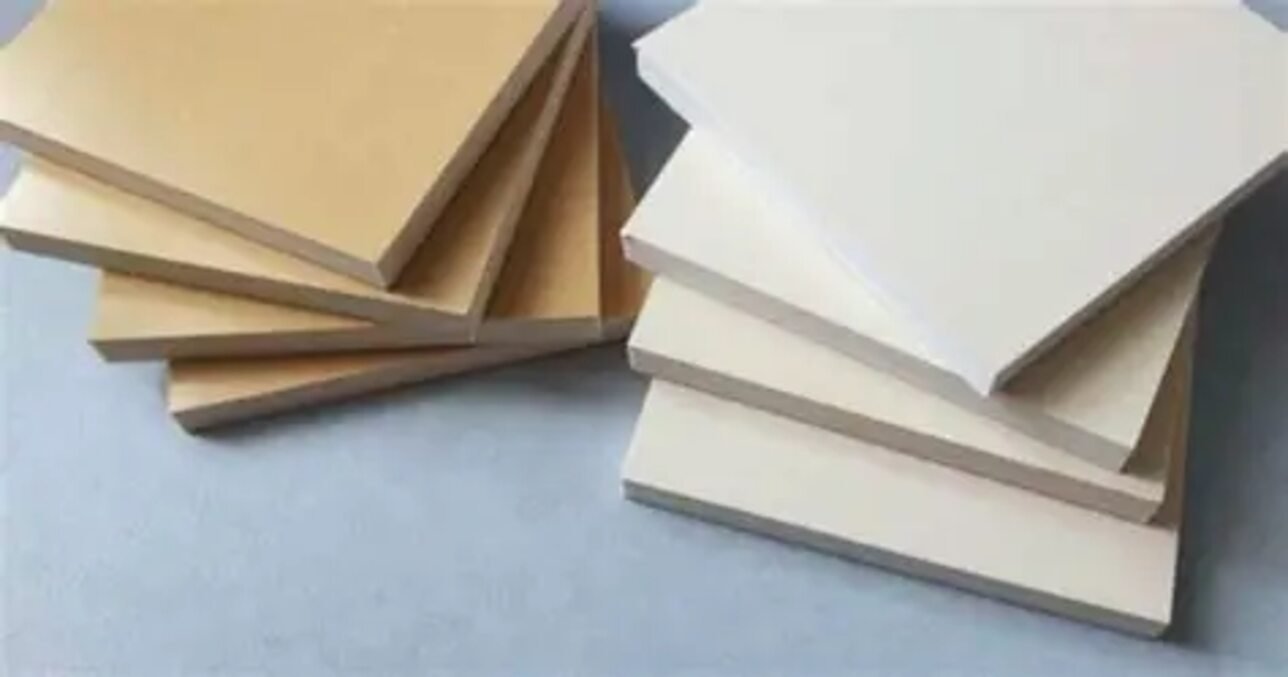
PVC foam board has become a global favorite in construction, advertising, furniture production, and industrial applications. Its durability, smooth finish, and ability to withstand moisture and chemicals make it one of the most versatile materials on the market. Still, not all boards are the same. Understanding the main types of PVC foam board helps professionals choose the right product for the right job.
This guide breaks down the most common Types of PVC Foam Board and explains where each performs best.
What Is PVC Foam Board?
PVC foam board is a lightweight yet rigid sheet made from polyvinyl chloride. It is produced through a foaming process that creates a dense internal structure and a smooth outer surface. This combination delivers strength without unnecessary weight. It also resists water, fire, corrosion, and impact, which is why it appears across so many industries.
While all PVC foam boards share these core benefits, their specific properties vary based on how they are manufactured. That is where the main categories come in.
Expanded PVC Foam Board
Expanded PVC foam board is the most common type. It is made through a low density foaming process, which gives it a uniform cell structure and a soft matte finish.
Key Features
- Lightweight and easy to cut or shape
- Smooth, slightly textured surface
- Available in a wide range of colors
- Affordable and widely accessible
Practical Uses
Expanded PVC foam board is a standard material for signage, POP displays, digital printing, and exhibition panels. Its lightweight nature makes it ideal for indoor advertising and branding applications where visual clarity matters more than structural strength. It is also used in DIY projects and craft work thanks to its easy handling.
Rigid PVC Foam Board
Rigid PVC foam board has a higher density than the expanded version. It offers greater stiffness, impact resistance, and long term durability.
Key Features
- Stronger and more durable than expanded PVC
- Higher load bearing capacity
- Smooth, consistent surface suitable for painting and laminating
- Resistant to weathering and chemicals
Practical Uses
Rigid PVC foam board is a reliable option for interior and exterior construction, including wall cladding, partitions, false ceilings, and cabinetry. Its smooth surface accepts laminates and veneers, making it popular in furniture manufacturing. In industrial environments, it works well for protective panels and machinery covers, where both strength and resistance to harsh conditions are important.
Co extruded PVC Foam Board
Co extruded PVC foam board consists of a lightweight foam core sandwiched between two solid PVC outer layers. This structure delivers the best of both worlds: a strong surface and a lightweight body.
Key Features
- Hard outer surfaces with a foam interior
- High surface hardness and scratch resistance
- Excellent printability and paint adhesion
- Maintains rigidity while reducing weight
Practical Uses
Because of its balanced performance, co extruded PVC foam board is used globally for premium signage, high quality displays, and architectural decorative panels. The harder surface also makes it suitable for furniture components, interior doors, and custom architectural pieces that require both visual appeal and durability.
Celuka PVC Foam Board
Celuka PVC foam board is manufactured using a Celuka extrusion process that forms a hard, glossy outer layer. This gives the board a denser skin and a smoother finish compared to traditional expanded PVC.
Key Features
- High density outer shell
- Enhanced rigidity and resistance to scratches
- Smooth, glossy appearance
- Stronger edges and better screw retention
Practical Uses
Celuka boards perform well in high end furniture, kitchen cabinets, bathroom vanities, and interior partitions. Their refined surface makes them suitable for decorative applications where aesthetics matter. In outdoor settings, Celuka boards resist UV exposure and moisture, making them a reliable option for outdoor furniture, cladding, and marine applications.
PVC Wood Composite Foam Board
PVC wood composite foam board combines PVC resin with wood fiber. The result is a hybrid material that provides the best qualities of both PVC and wood.
Key Features
- Natural wood like appearance
- Higher rigidity than standard PVC foam
- Resistant to rot, moisture, and insects
- Can be sanded, routed, or screwed like wood
Practical Uses
PVC wood composite foam board is often used in furniture manufacturing, decorative wall panels, and architectural trims. It provides the look of wood without the maintenance. For humid environments such as bathrooms, balconies, and outdoor setups, it offers long term reliability without warping or cracking.
Choosing the Right PVC Foam Board for Your Project
To make the right choice, consider these factors:
Application environment. Indoor projects can use lighter expanded PVC, while outdoor or heavy duty jobs may require Celuka or rigid PVC.
Desired finish. For a premium surface, co extruded or Celuka PVC boards offer cleaner results.
Structural needs. Furniture, partitions, and load bearing pieces benefit from rigid, Celuka, or composite boards.
Budget. Expanded PVC remains the most cost effective option, while co extruded and Celuka boards are used when performance is a priority.
Final Thoughts
PVC foam board has grown into an essential material for global industries thanks to its adaptability and long term performance. By understanding the Types of PVC Foam Board and their practical uses, professionals can select the right solution for everything from construction and furniture to high impact advertising.
Article by: pvc board sidoarjo – gstarboard
