

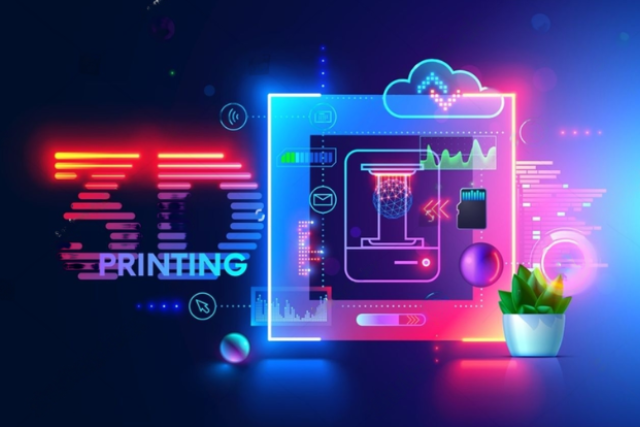
On-demand services depend on speed, accuracy, and flexibility. At the center of this model is digital file management, which controls how designs are stored, updated, accessed, and produced. Instead of relying on physical inventory, companies rely on structured digital systems to manage product data.
This approach allows production to start only when required and ensures that every manufactured item reflects the latest approved design. In environments where 3d printing is used, digital file management becomes even more critical because files directly drive production outcomes.
Replacing Physical Inventory with Digital Assets
Traditional manufacturing relies heavily on stocked components and spare parts. On-demand services replace this physical inventory with digital files that represent parts, assemblies, or complete products. These files act as virtual stock, ready to be manufactured at any time. Proper digital file management ensures that files are organized, searchable, and securely stored. This reduces storage costs, minimizes waste, and ensures that outdated designs are not accidentally produced.
Ensuring Version Control and Design Accuracy
One of the most important roles of digital file management is version control. In on-demand services, multiple design iterations are common.
Without strict version control, there is a risk of producing parts based on outdated or incorrect files. Effective file management systems track revisions, approvals, and change histories. This ensures that only the most current and validated design is used for production, which is essential for maintaining quality and consistency.
Supporting Rapid Design Updates
On-demand services thrive on flexibility. When a design needs to be updated, digital file management allows changes to be implemented immediately. Designers can revise a file, submit it for approval, and release it for production without delays.
This is particularly valuable in workflows that involve 3d printing Dubai, where the production process starts directly from the digital file. Fast updates help teams respond to client feedback, technical adjustments, or regulatory requirements with minimal disruption.
Enabling Secure Access and Collaboration
On-demand services often involve collaboration between multiple teams, locations, or external partners. Digital file management systems control who can access, edit, or approve files. This improves security while enabling efficient collaboration.
Designers, engineers, and production teams can work from the same source of truth, reducing miscommunication and errors. Secure access also protects intellectual property, which is especially important for proprietary or customized designs.
Improving Production Consistency and Repeatability
Consistency is a key challenge in on-demand manufacturing. Digital file management ensures that the same design file produces the same result every time it is manufactured. File integrity, formatting standards, and documented parameters all contribute to repeatable outcomes. In workflows involving 3d printing, this consistency is essential because even small file variations can affect final part quality. Well-managed files help maintain reliable production standards across multiple runs.
Integrating with Manufacturing Workflows
Digital file management does not operate in isolation. It integrates with scheduling systems, material selection processes, and production planning tools. When a file is approved, it can automatically move into the production queue. This integration reduces manual handling and speeds up order fulfillment. On-demand services benefit from this automation because it reduces errors and allows production to scale efficiently without increasing administrative workload.
Supporting Compliance and Documentation Requirements
Many industries require detailed documentation for manufactured components. Digital file management systems store not only design files but also related documentation such as specifications, approvals, and testing records.
This makes it easier to demonstrate compliance with industry standards or regulatory requirements. When parts are produced using 3d printing, having a clear digital trail ensures traceability and accountability throughout the production lifecycle.
Reducing Downtime and Production Delays
Production delays often occur when files are missing, incorrect, or difficult to locate. Digital file management minimizes these risks by providing structured storage and fast retrieval. When a part is needed urgently, teams can access the correct file instantly and initiate production. This reliability is a major advantage of on-demand services, where speed is often a critical success factor.
Enabling Long-Term Part Availability
On-demand services are not limited to initial production. Digital file management supports long-term part availability by preserving design files for future use. Even years after a product is launched, replacement parts can be produced without maintaining physical stock. This approach is especially effective when combined with 3d printing, as it allows legacy components to be reproduced accurately based on stored digital data.
Conclusion
Digital file management is the foundation of successful on-demand services. It replaces physical inventory with reliable digital assets, ensures design accuracy, and supports rapid production.
By enabling version control, secure collaboration, and seamless workflow integration, it allows companies to operate efficiently and respond quickly to change. When paired with 3d printing, strong digital file management transforms manufacturing into a flexible, scalable, and future-ready process.
