

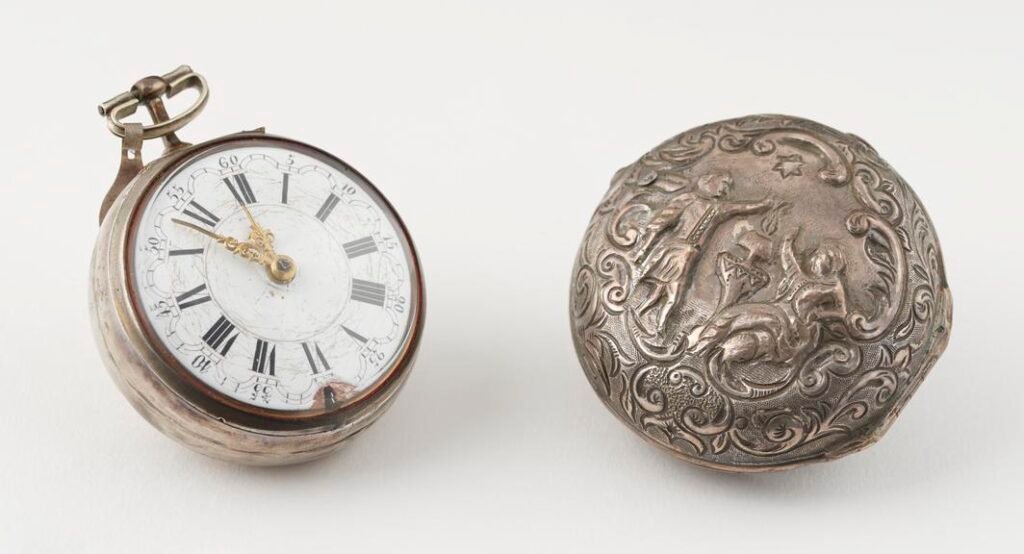
The fascination with timepieces has captivated collectors, historians, and enthusiasts for centuries. From intricate mechanical craftsmanship to modern innovations, watches tell stories about technology, culture, and artistry. A valuable resource for exploring this world is https://watchmuseum.org/, a dedicated platform that showcases the history, craftsmanship, and cultural significance of watches. Whether you are a seasoned collector or simply curious about horology, https://watchmuseum.org/ provides an in-depth look at the evolution of watches and the remarkable creativity behind them.
The Historical Importance of Watches
Watches have played a critical role in human history. Early timekeeping devices were essential for navigation, scientific discovery, and everyday organization. Over time, watchmaking evolved from basic mechanical devices to highly sophisticated instruments. Platforms like https://watchmuseum.org/ highlight how watchmakers combined engineering precision with artistic design to create pieces that are both functional and beautiful.
The earliest portable timepieces appeared in the 16th century. These watches were often large, ornate, and worn as pendants. As technology improved, watchmakers developed smaller and more reliable movements, eventually leading to the pocket watches of the 18th and 19th centuries. By the early 20th century, wristwatches became widely popular due to their practicality and style.
The Craftsmanship Behind Fine Watches
Watchmaking is widely considered one of the most intricate forms of mechanical craftsmanship. Each watch contains dozens or even hundreds of tiny components working together to measure time accurately. The complexity of this craftsmanship is one reason collectors value watches so highly.
Key elements of watch craftsmanship include:
- Mechanical movements: Carefully engineered gears, springs, and balance wheels that regulate time.
- Precision assembly: Skilled watchmakers assemble components under magnification to ensure accuracy and durability.
Through resources like https://watchmuseum.org/, enthusiasts can gain a deeper appreciation for how these tiny mechanical systems are designed and assembled with remarkable precision.
Why Watch Collecting Is So Popular
Watch collecting has grown into a global passion. Enthusiasts value watches not only for their function but also for their historical significance and aesthetic appeal. Vintage timepieces, in particular, offer a glimpse into the design trends and technological breakthroughs of different eras.
Collectors often seek watches that represent important milestones in watchmaking history. For example, certain models introduced groundbreaking complications such as chronographs, perpetual calendars, or automatic winding mechanisms. Platforms like https://watchmuseum.org/ help collectors research these milestones and better understand what makes each piece unique.
Another reason collecting has become popular is the emotional connection people develop with timepieces. A watch can commemorate special events, symbolize personal achievements, or be passed down through generations as a family heirloom.
The Educational Value of Watch Museums
Watch museums and educational platforms play a vital role in preserving horological heritage. They provide detailed information about the evolution of timekeeping devices, from early sundials and clocks to modern luxury watches. Educational resources allow visitors and readers to explore:
- Historical watch designs and innovations
- Famous watchmakers and their contributions
- The evolution of mechanical and quartz technology
By studying these topics, enthusiasts gain a deeper understanding of how watchmaking has influenced technology, art, and culture.
Modern Watch Innovation
While traditional craftsmanship remains highly valued, the watch industry continues to evolve with modern technology. Today’s watchmakers blend heritage techniques with cutting-edge materials and engineering. Innovations include advanced ceramics, silicon components, and improved automatic movements.
Despite the rise of digital devices and smartphones, mechanical watches remain popular because they represent craftsmanship, tradition, and individuality. Many people appreciate the artistry behind a finely crafted watch and the centuries of knowledge required to produce it.
Resources like https://watchmuseum.org/ provide insight into both the historical roots and the modern advancements shaping the watch industry today.
Why Learning About Watches Matters
Understanding the history and craftsmanship of watches goes beyond appreciating luxury items. It reveals how human ingenuity has evolved to solve practical problems, measure time accurately, and create objects of beauty. Watches represent a unique blend of science, engineering, and art.
Exploring watch history also helps preserve important knowledge about traditional manufacturing techniques that might otherwise be forgotten. By documenting historical timepieces and innovations, educational platforms ensure that future generations can learn about the origins of modern watchmaking.
Conclusion
Watches are far more than simple timekeeping tools. They represent centuries of craftsmanship, innovation, and artistic expression. From early mechanical inventions to modern precision engineering, the evolution of watches reflects humanity’s ongoing pursuit of accuracy and design excellence. By exploring the history, technology, and cultural impact of timepieces, enthusiasts can gain a deeper appreciation for this fascinating field. Whether you are a collector, historian, or curious reader, learning about horology offers a rewarding journey through the art and science of time.
https://gettonews.com/ict-jobs-in-kenya-opportunities-skills-and-career-growth-in-the-digital-era/
