

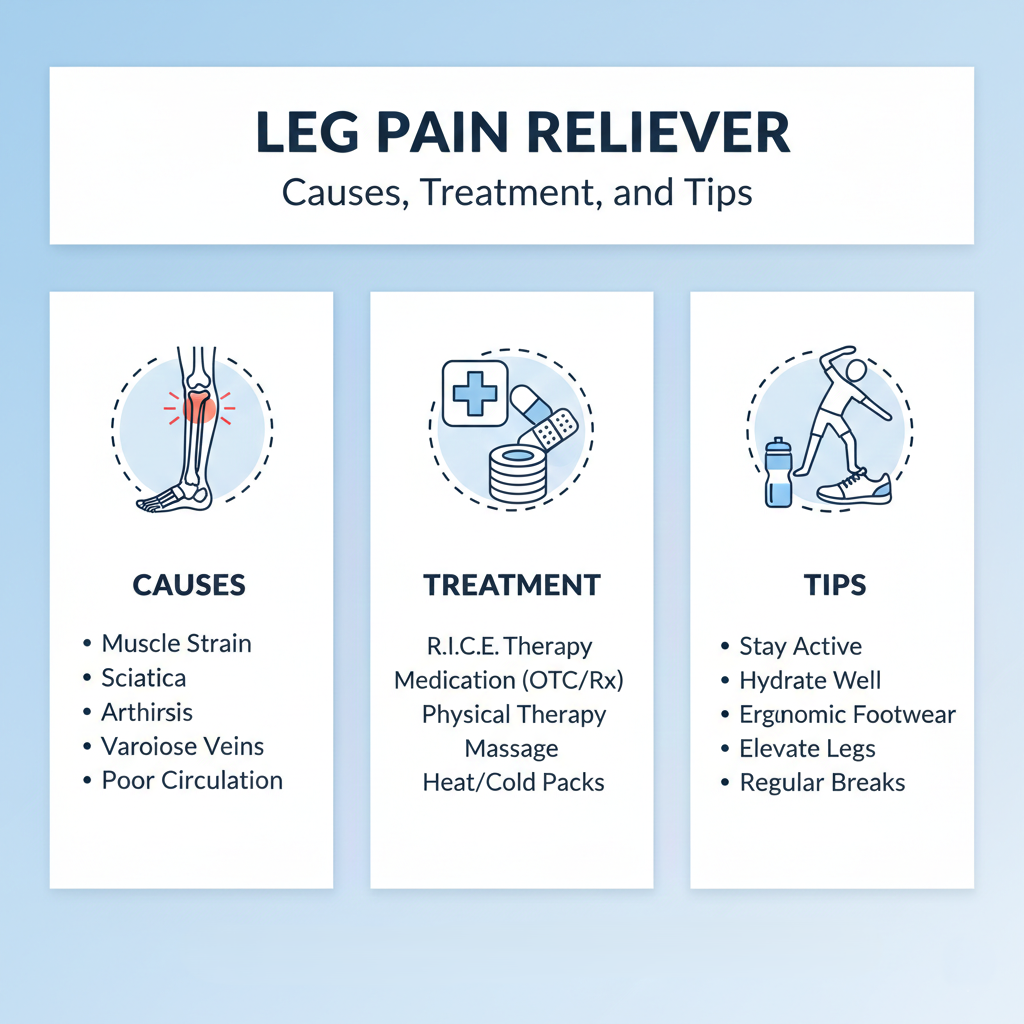
Chronic leg pain can make daily life difficult. It can affect walking, sleeping, working, and enjoying simple activities. Many people experience leg pain due to nerve problems, injuries, arthritis, poor circulation, or muscle strain. The good news is that there are many easy and effective ways to manage chronic leg pain and improve your quality of life.
In this guide, we will explain the causes of chronic leg pain, easy treatment solutions, lifestyle tips, and medication options that can help relieve pain safely.
Understanding Chronic Leg Pain
Chronic leg pain is pain that lasts longer than three months. It may come and go, or it may stay all the time. Unlike acute pain, chronic pain does not always go away when the injury heals.
Some common causes of chronic leg pain include:
- Sciatica and nerve compression
- Arthritis in joints
- Muscle injuries
- Poor blood circulation
- Diabetes-related nerve pain
- Sports injuries
- Obesity and posture problems
Understanding the cause of your pain is the first step toward effective treatment.
Medication Options for Leg Pain Relief
Doctors often prescribe medications to reduce chronic leg pain, especially when pain is severe or affects daily activities. Some people choose to buy aspadol online after consulting a healthcare provider, as tapentadol-based medicines can help manage moderate to severe pain by acting on the nervous system.
These medicines should always be taken under medical supervision to avoid side effects and dependency.
Tapentadol-Based Treatments for Leg Pain
Tapentadol is a modern pain medication used for chronic and nerve-related pain. Some patients search for options like buy tapentadol 100mg when they need stronger pain relief. Lower-dose options such as aspadol 50 mg tablets may be prescribed for milder pain or for patients who are sensitive to higher doses.
Doctors adjust the dose based on the severity of pain, age, and medical condition. Never change your dose without professional advice.
Non-Drug Solutions for Chronic Leg Pain
Medication is not the only solution. Many non-drug treatments can reduce pain naturally and safely.
1. Physical Therapy
Physical therapy helps strengthen muscles, improve flexibility, and reduce pressure on nerves. A trained therapist can design exercises specifically for leg pain.
2. Regular Exercise
Gentle exercises like walking, swimming, and cycling improve blood flow and reduce stiffness. Exercise also releases endorphins, which are natural pain relievers.
3. Stretching
Stretching the legs, hips, and lower back can reduce nerve pressure and muscle tightness. Daily stretching can significantly improve chronic pain.
4. Hot and Cold Therapy
- Heat therapy relaxes muscles and improves circulation.
- Cold therapy reduces swelling and inflammation.
Using both methods can provide fast relief.
Lifestyle Changes to Reduce Leg Pain
Small lifestyle changes can make a big difference in chronic leg pain management.
Maintain a Healthy Weight
Extra weight puts pressure on leg joints and muscles. Losing weight can reduce pain and improve mobility.
Improve Posture
Poor posture can compress nerves and cause leg pain. Sitting and standing correctly reduces strain on the spine and legs.
Stay Active
Long periods of sitting or standing can worsen leg pain. Take breaks, stretch, and move around frequently.
Wear Comfortable Shoes
Supportive footwear reduces pressure on legs and joints. Avoid high heels or poorly cushioned shoes.
Natural Remedies for Leg Pain Relief
Many natural remedies can help reduce chronic leg pain.
Herbal Supplements
- Turmeric (anti-inflammatory)
- Ginger (reduces pain and swelling)
- Omega-3 fatty acids (supports joint health)
Always talk to a doctor before using supplements.
Massage Therapy
Massage improves circulation and relaxes tight muscles. It is especially helpful for muscle-related leg pain.
Yoga and Meditation
Yoga improves flexibility and strength, while meditation reduces stress-related pain. Stress can increase pain intensity.
Medical Treatments for Severe Leg Pain
When pain is severe and persistent, doctors may recommend advanced treatments.
1. Injections
Steroid injections reduce inflammation in joints and nerves.
2. Nerve Blocks
Nerve blocks stop pain signals from reaching the brain.
3. Surgery
Surgery may be necessary for severe nerve compression, fractures, or joint damage.
Chronic Leg Pain Management in Canada and Australia
In countries like Canada and Australia, pain management is carefully regulated. Doctors often combine medication, physical therapy, and lifestyle changes to treat chronic pain. Strong pain medicines are monitored to reduce misuse and ensure patient safety.
Patients are encouraged to use non-drug methods alongside medication for the best results.
Risks of Long-Term Pain Medication Use
Long-term use of pain medicines can cause side effects. Some common risks include:
- Drowsiness and dizziness
- Constipation
- Nausea
- Dependence or addiction
- Liver or kidney problems
Always follow medical advice and avoid self-medicating.
Tips for Safe Pain Medication Use
To use pain medicines safely:
- Take the prescribed dose only
- Avoid alcohol and sedatives
- Do not share your medication
- Store medicines safely
- Report side effects to your doctor
Safe use reduces risks and improves pain control.
Diet Tips for Leg Pain Relief
Your diet plays a role in pain and inflammation.
Anti-Inflammatory Foods
- Fruits and vegetables
- Fish and nuts
- Whole grains
- Olive oil
Avoid Inflammatory Foods
- Sugary snacks
- Processed foods
- Excess salt
- Fried foods
A healthy diet supports muscle and joint health.
Sleep and Pain Connection
Poor sleep can make pain worse. Chronic pain can also disturb sleep, creating a cycle.
Tips for Better Sleep
- Maintain a regular sleep schedule
- Use a comfortable mattress
- Avoid screens before bedtime
- Practice relaxation techniques
Good sleep helps the body heal and reduces pain sensitivity.
Psychological Support for Chronic Pain
Chronic pain affects mental health. Anxiety and depression can increase pain perception.
Cognitive Behavioral Therapy (CBT)
CBT helps change negative thoughts about pain and improves coping skills.
Support Groups
Talking to others with chronic pain can provide emotional support and practical advice.
When to See a Doctor
You should see a doctor if:
- Leg pain lasts more than three months
- Pain is severe or worsening
- You feel numbness or weakness
- Pain affects daily activities
- You have swelling, redness, or fever
Early diagnosis prevents serious complications.
Final Thoughts: Easy Solutions for Chronic Leg Pain Relief
Chronic leg pain can be challenging, but many easy solutions are available. Combining medication, exercise, healthy habits, and therapy can significantly reduce pain and improve mobility. Medicines like tapentadol-based treatments may help when prescribed, but lifestyle changes and non-drug therapies are equally important.
Always consult a healthcare professional before starting any new treatment. With the right approach, you can manage chronic leg pain effectively and enjoy a better quality of life.
