

In the world of interior design and facility management, finding a balance between aesthetic appeal and legal compliance can often feel like a challenge. However, acrylic ADA signs have emerged as the premier solution for modern businesses that refuse to compromise on style or safety.
Whether you are managing a corporate office, a healthcare facility, or a boutique hotel, understanding the value of high-quality acrylic signage is key to creating an inclusive and professional environment.
What Makes Acrylic ADA Signs Unique?
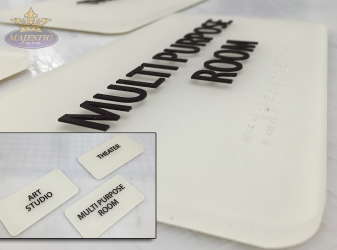
Acrylic is a versatile, high-grade thermoplastic that offers a glass-like clarity without the fragility. When manufactured as ADA-compliant signage, these panels incorporate several mandatory features:
- Tactile Lettering: Raised text that can be felt by touch.
- Grade 2 Braille: Essential for providing information to visually impaired visitors.
- Non-Glare Finishes: To ensure readability under various lighting conditions.
- High Contrast: Strategic color combinations that make text stand out from the background.
The Benefits of Choosing Acrylic
1. Sleek and Modern Aesthetic
Unlike traditional plastic signs, acrylic provides a premium, sophisticated look. It can be manufactured with polished edges, frosted finishes, or even multi-layered designs to add depth and architectural interest to your hallways.
2. Durability and Longevity
Acrylic is incredibly resilient. It resists fading, cracking, and moisture, making it ideal for high-traffic areas. Whether it’s a restroom sign or a room ID, these signs are built to withstand the rigors of daily use while maintaining their “just installed” appearance.
3. Complete Brand Integration
One of the biggest advantages of acrylic is its customizability. You are no longer limited to “standard” blue or black signs. You can select custom brand colors, unique shapes, and creative typography—all while staying 100% compliant with the Americans with Disabilities Act.
Common Applications
Acrylic ADA signs are necessary for any permanent room or space within a public building. Common uses include:
- Restroom Signs: Clearly identifying facilities for all genders and accessibility needs.
- Room ID Signs: Labeling offices, conference rooms, storage areas, and breakrooms.
- Wayfinding Signage: Guiding visitors through floor levels, elevators, and exit routes.
- Safety Signs: Marking emergency exits and fire safety equipment with high-visibility tactile elements.
The Importance of Compliance
Beyond the aesthetic benefits, ADA signs are a legal requirement. Failure to provide compliant signage can lead to heavy penalties and inspection failures. More importantly, accessible signage demonstrates that your business puts people first, ensuring that everyone—regardless of their visual or physical abilities—can navigate your space with confidence.
Why Quality Matters
When sourcing custom signs for your facility, it is vital to work with experts who understand both the federal ADA guidelines and local building codes. Precision laser cutting and expert braille routing ensure that your signs aren’t just beautiful—they are functional tools for accessibility.
Final Thoughts
Acrylic ADA signs are more than just a regulatory necessity; they are an investment in your building’s brand and inclusivity. By choosing durable, beautifully crafted acrylic, you ensure your facility remains compliant, professional, and welcoming to every visitor who walks through your doors.
For more blog ..1..2
