

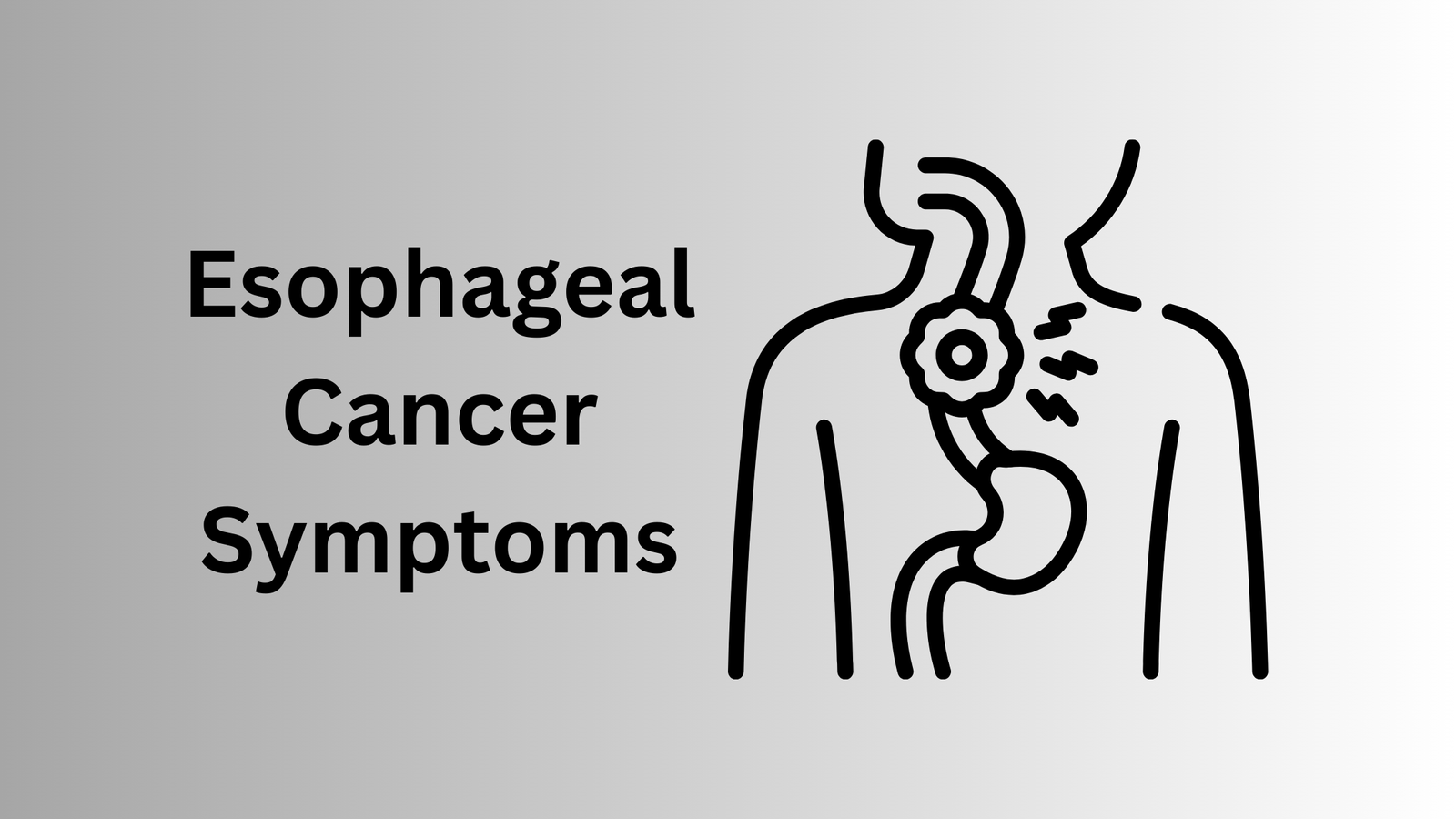
Esophageal cancer is a serious medical condition that affects the esophagus—the muscular tube that carries food from the throat to the stomach. Although relatively uncommon compared to other cancers, esophageal cancer is often diagnosed at an advanced stage because its early symptoms are subtle and frequently ignored. Understanding the warning signs can lead to earlier diagnosis and significantly improve treatment outcomes.
In recent years, access to advanced esophageal cancer treatment in Delhi has improved, making early detection even more critical for successful management.
What Is Esophageal Cancer?
Esophageal cancer occurs when malignant cells develop in the tissues lining the esophagus. The two most common types are:
- Squamous cell carcinoma, usually affecting the upper and middle part of the esophagus
- Adenocarcinoma, commonly occurring in the lower esophagus, often linked to acid reflux and Barrett’s esophagus
Both types can interfere with normal swallowing and digestion, leading to noticeable symptoms as the disease progresses.
Early Symptoms of Esophageal Cancer
In its initial stages, esophageal cancer may not cause obvious discomfort. However, some early signs should not be overlooked:
1. Difficulty Swallowing (Dysphagia)
This is one of the most common symptoms. It may start with difficulty swallowing solid foods and gradually progress to problems with liquids. Patients often feel as if food is stuck in the chest.
2. Persistent Heartburn or Acid Reflux
Chronic acid reflux or worsening heartburn, especially if unresponsive to medication, can be an early warning sign—particularly for adenocarcinoma.
3. Unexplained Weight Loss
Sudden or unintentional weight loss may occur due to reduced food intake caused by swallowing difficulties or loss of appetite.
4. Chest Pain or Discomfort
Some individuals experience pressure, burning, or pain in the chest, which may worsen during eating or swallowing.
Advanced Symptoms to Watch For
As the cancer grows, symptoms may become more severe and noticeable:
5. Chronic Cough or Hoarseness
Cancer near the upper esophagus can affect the vocal cords or irritate nearby airways, leading to voice changes or a persistent cough.
6. Vomiting or Regurgitation
Food may come back up after swallowing, sometimes mixed with blood in advanced cases.
7. Fatigue and Weakness
Ongoing fatigue can result from poor nutrition, anemia, or the body’s response to cancer.
8. Black or Bloody Stools
Internal bleeding from the esophagus can cause dark-colored stools or visible blood, which requires immediate medical attention.
When Should You See a Doctor?
If you experience difficulty swallowing, persistent acid reflux, unexplained weight loss, or chest pain lasting more than a few weeks, it is essential to consult a healthcare professional. Early evaluation allows for timely diagnosis and access to appropriate treatment options.
Patients seeking reliable and comprehensive esophageal cancer treatment in Delhi benefit from advanced diagnostic tools such as endoscopy, biopsy, CT scans, and PET scans, which help determine the stage and type of cancer accurately.
Diagnosis and Treatment Options
Once diagnosed, treatment depends on the cancer stage, location, and the patient’s overall health. Common treatment approaches include:
- Surgery to remove cancerous tissue
- Chemotherapy to destroy cancer cells
- Radiation therapy to shrink tumors
- Targeted therapy or immunotherapy in selected cases
Many leading hospitals offering esophageal cancer treatment in Delhi provide multidisciplinary care, combining expertise from oncologists, gastroenterologists, surgeons, and radiologists to ensure personalized treatment plans.
Importance of Early Detection
The prognosis for esophageal cancer improves significantly when detected early. Awareness of symptoms plays a vital role in timely diagnosis. Lifestyle changes such as quitting smoking, limiting alcohol intake, managing acid reflux, and maintaining a healthy diet can also reduce risk.
Conclusion
Esophageal cancer symptoms can be easy to miss, especially in the early stages. Persistent swallowing difficulties, chronic heartburn, unexplained weight loss, and chest discomfort should never be ignored. Prompt medical evaluation can make a life-saving difference.
With access to advanced esophageal cancer treatment in Delhi, patients today have better chances of effective management and improved quality of life. Awareness, early diagnosis, and timely treatment remain the strongest tools in the fight against esophageal cancer.
