

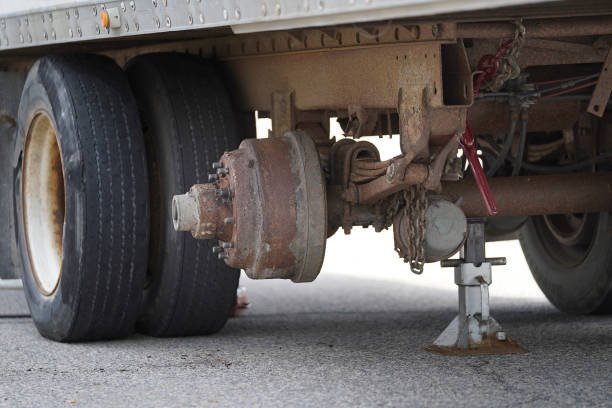
Trailer repair plays a major role in keeping the trucking industry moving safely and efficiently. In a busy transportation hub like New Jersey, trailers are constantly on the road carrying freight across state lines, ports, warehouses, and distribution centers. Because of this heavy usage, wear and tear is unavoidable. When trailer problems are ignored, they can quickly lead to breakdowns, safety risks, delivery delays, and costly penalties.
This guide explains everything you need to know about trailer repair in New Jersey. It covers common trailer issues, repair services, maintenance practices, compliance requirements, cost factors, and how to choose the right repair shop. Whether you manage a large fleet or operate a single trailer, understanding proper repair and maintenance can save time, money, and stress while keeping your equipment road ready.
Why Trailer Repair Is Critical for Safe Operations
Trailers carry heavy loads over long distances. Every mile adds stress to key components such as brakes, suspension, tires, lighting, and structural parts. A small issue like a worn brake lining or damaged wiring can turn into a serious safety hazard if left untreated.
Proper trailer repair helps prevent accidents, reduces roadside breakdowns, and ensures compliance with inspection standards. In New Jersey, trailers are frequently inspected due to high traffic volumes and strict safety regulations. Well maintained trailers are less likely to fail inspections and less likely to cause costly downtime.
Trailer repair also protects cargo. Faulty doors, damaged floors, or weak suspension systems can result in load shifts, damaged goods, or rejected deliveries. Investing in timely repairs protects both drivers and freight.
Common Trailer Problems Truck Owners Face
Understanding the most common truck problems and trailer issues helps operators identify problems early and take action before they become severe.
Brake system problems are among the most common. Worn brake shoes, leaking air lines, faulty valves, and out of adjustment brakes reduce stopping power and increase accident risk. Brake issues are a top reason trailers are placed out of service during inspections.
Suspension and axle damage is another frequent concern. Broken leaf springs, worn bushings, bent axles, and damaged hangers affect load stability and tire wear. Poor suspension performance also leads to rough rides and increased stress on other components.
Tire and wheel issues are extremely common due to heavy loads and road conditions. Uneven wear, blowouts, damaged rims, and improper inflation reduce fuel efficiency and increase breakdown risk.
Electrical system failures often occur due to moisture, corrosion, or damaged wiring. Non functioning lights, faulty connectors, and grounding issues are common inspection violations.
Structural damage affects trailer frames, crossmembers, floors, roofs, and doors. Cracks, rust, bent frames, or weakened floors compromise load safety and may require welding or panel replacement.
Types of Trailer Repair Services Available
Trailer repair shops in New Jersey typically offer a wide range of services to address both minor issues and major damage.
Brake repair and replacement services include inspection, adjustment, air system repairs, drum or rotor replacement, and valve servicing. Proper brake repair ensures compliance and safe stopping power.
Suspension repair services focus on leaf springs, air ride systems, shock absorbers, bushings, and hangers. These repairs improve ride quality and reduce long term damage.
Tire and wheel services include mounting, balancing, alignment, rim replacement, and emergency roadside tire repairs. Many shops also offer tire replacement programs for fleets.
Electrical repairs cover lighting systems, wiring harnesses, connectors, ABS systems, and diagnostic testing to ensure all components function properly.
Structural repairs involve welding, frame straightening, floor replacement, roof patching, door repairs, and corrosion treatment. These services restore trailer strength and load integrity.
Preventive maintenance inspections are designed to catch issues early. These inspections check all major systems and help prevent breakdowns before they occur.
Importance of Preventive Trailer Maintenance
Preventive maintenance is one of the most effective ways to reduce repair costs and downtime. Regular inspections and servicing allow small issues to be corrected before they lead to major failures.
A strong preventive maintenance program includes brake inspections, suspension checks, tire evaluations, lighting tests, and structural assessments. Maintenance schedules should be based on mileage, load type, and operating conditions.
In New Jersey, where trailers operate in dense traffic and varying weather conditions, preventive maintenance is especially important. Road salt, moisture, and temperature changes can accelerate corrosion and component wear.
Well maintained trailers last longer, perform better, and are less likely to fail roadside inspections. Preventive maintenance also improves driver confidence and safety.
Compliance and Inspection Requirements
Trailers operating in New Jersey must meet strict safety and compliance standards. Inspections focus on brakes, lights, tires, suspension, frame integrity, and load securement.
Failure to meet inspection requirements can result in fines, out of service orders, delayed deliveries, and increased scrutiny in future inspections. Regular trailer repair and maintenance reduce the risk of violations.
Repair shops familiar with New Jersey regulations understand inspection criteria and can help ensure trailers meet required standards. They can also provide documentation that supports compliance during audits.
Keeping repair records organized is important. Documentation shows that maintenance and repairs are performed regularly and responsibly.
Mobile Trailer Repair Services
Mobile trailer repair has become increasingly popular in New Jersey due to the high cost of downtime. Mobile technicians travel to breakdown locations, yards, ports, or warehouses to perform on site repairs.
Mobile services commonly include brake repairs, light replacements, air line repairs, tire services, and minor welding. These services reduce towing costs and get trailers back on the road faster.
Mobile repair is especially useful for fleets operating around ports and distribution hubs where moving disabled trailers can be difficult or expensive.
While mobile services are ideal for many repairs, major structural damage or extensive work may still require a shop visit.
Cost Factors for Trailer Repair
Trailer repair costs vary based on the type of repair, severity of damage, labor rates, and parts availability. Brake repairs, suspension work, and structural welding typically cost more due to labor intensity.
Preventive maintenance is generally far less expensive than emergency repairs. Addressing issues early reduces the risk of major component failure and secondary damage.
Emergency roadside repairs may cost more due to after hours service and travel time. However, they often save money by avoiding towing and extended downtime.
Choosing quality parts also impacts cost. While cheaper parts may save money upfront, they often wear faster and lead to more frequent repairs.
Choosing the Right Trailer Repair Shop
Selecting the right trailer repair provider is critical for quality and reliability. Look for shops with experience handling your specific trailer type and cargo needs.
A reputable shop should offer certified technicians, modern equipment, and clear communication. They should explain repairs clearly and provide honest assessments.
Turnaround time matters, especially for fleet operators. Shops that prioritize scheduling and efficiency help minimize downtime.
Mobile service availability is an added advantage, especially for emergency situations.
Reading reviews, checking certifications, and asking about warranty policies can help identify reliable repair providers.
Trailer Repair for Different Trailer Types
Different trailer types require specialized repair knowledge.
Dry van trailers often need door repairs, floor replacement, and structural welding.
Refrigerated trailers require expertise in insulation, door seals, and electrical systems to maintain temperature control.
Flatbed and step deck trailers need regular inspection of tie down points, decking, and frame integrity.
Tank trailers require strict compliance and specialized welding and inspection procedures.
Choosing a shop experienced with your trailer type ensures proper repairs and compliance.
How Trailer Repair Impacts Fleet Efficiency
Reliable trailers improve scheduling, reduce missed deliveries, and lower operating costs. Breakdowns cause delays that affect customer satisfaction and driver productivity.
Well maintained trailers improve fuel efficiency by reducing rolling resistance and drag caused by misaligned axles or worn components.
Repair and maintenance programs also improve asset lifespan. Extending trailer life reduces replacement costs and improves return on investment.
For fleet managers, consistent trailer repair practices lead to predictable expenses and smoother operations.
Seasonal Trailer Maintenance Considerations
Seasonal changes affect trailer performance. Winter conditions increase stress on brakes, air systems, and electrical components. Salt exposure accelerates corrosion.
Summer heat increases tire wear and air system strain. Preventive inspections before seasonal transitions help reduce weather related failures.
New Jersey experiences all four seasons, making year round maintenance planning essential.
Final Thoughts
Trailer repair is not just about fixing problems after they occur. It is about protecting safety, maintaining compliance, reducing downtime, and supporting reliable operations. In a high traffic state like New Jersey, trailers face constant demand and challenging conditions that make proper repair and maintenance essential.
Understanding common trailer issues, repair services, maintenance practices, and compliance requirements helps operators make informed decisions. Choosing the right repair provider and investing in preventive maintenance saves money in the long run and keeps equipment performing at its best.
Whether you operate a single trailer or manage a large fleet, prioritizing trailer repair is an investment in safety, efficiency, and long term success.
