

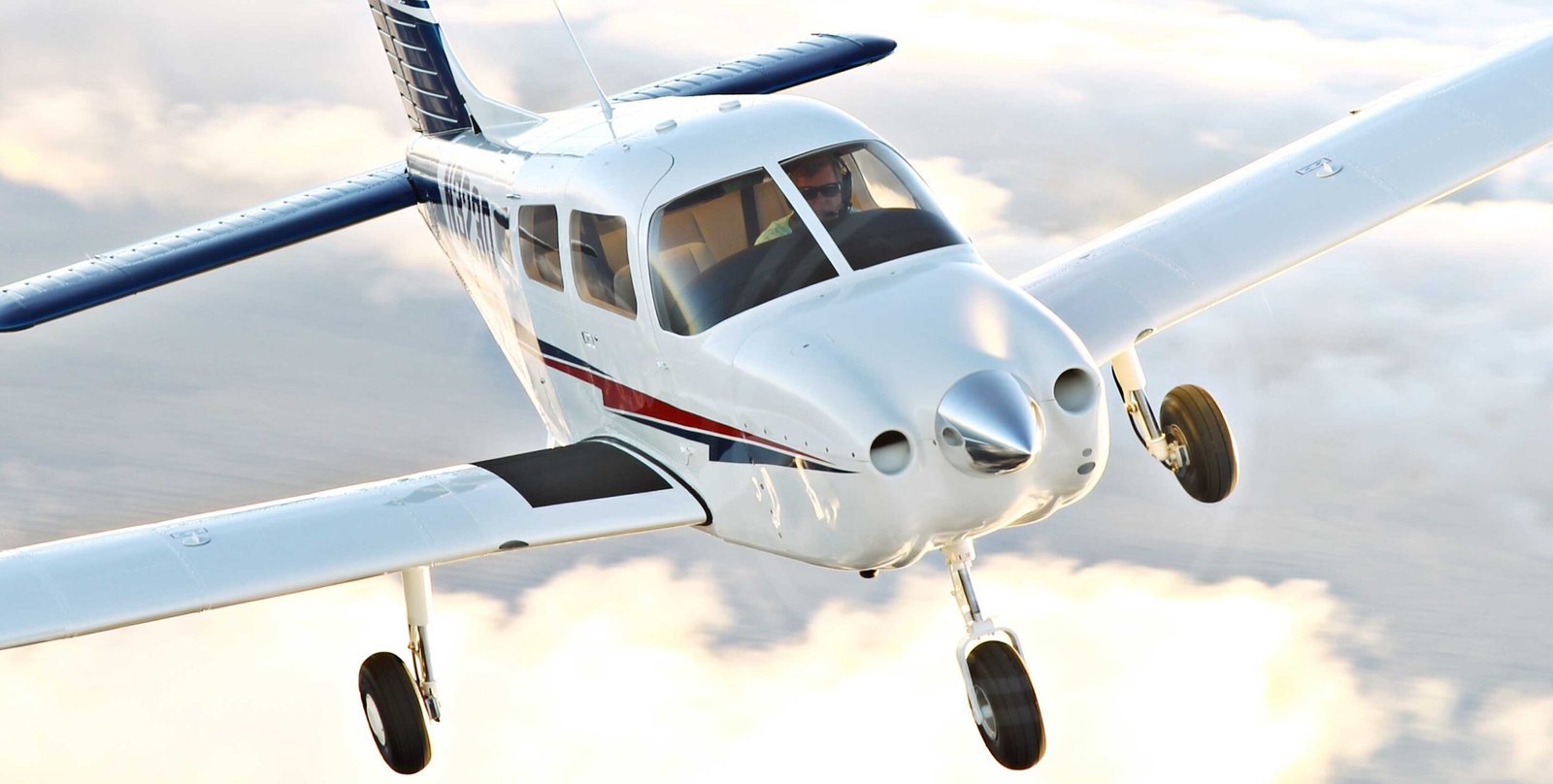
Earning a private pilot license allows individuals to fly aircraft for personal and recreational purposes. It gives pilots the freedom to travel, practise flying skills, and carry passengers without entering commercial aviation. However, this licence also comes with clear limits. Understanding these boundaries helps private pilots operate safely, remain compliant with aviation laws, and make informed decisions during every flight.
What You Can Do with a Private Pilot License
A private licence offers several flying privileges that allow pilots to enjoy aviation within a personal scope. These privileges focus on non-commercial flying and experience building.
- Fly single-engine aircraft for personal or recreational use
- Act as pilot in command of the aircraft
- Carry passengers such as friends or family without payment
- Plan and conduct cross-country flights for leisure
- Operate within approved airspace after receiving clearance
These activities allow pilots to gain confidence, improve skills, and enjoy flying while staying within legal limits.
What You Cannot Do as a Private Pilot
Despite the freedoms it offers, a private licence does not allow commercial activity. Private pilots must not accept money or benefits for flying services. They cannot transport passengers or cargo for hire, provide paid flight instruction, or conduct charter operations. Any form of advertising for flying services is also prohibited. These restrictions ensure that commercial aviation remains regulated and safe.
Rules Around Cost Sharing and Passengers
Cost sharing is permitted under strict conditions and must never result in profit. Pilots should follow these rules carefully to avoid violations.
- Share only direct operating costs such as fuel, landing fees, and aircraft hire
- Ensure equal cost contribution from all occupants, including the pilot
- Confirm the flight has a genuine purpose beyond cost reduction
- Retain full responsibility for safety and decision-making
Following these rules allows pilots to fly with passengers while remaining compliant.
Aircraft, Weather, and Airspace Limits
Private pilots may only operate aircraft types for which they have received proper training. Complex aircraft require additional endorsements. Flights must meet visual weather conditions unless the pilot holds further qualifications. Entry into controlled airspace requires radio communication skills and approval. These limits ensure pilots fly within their experience and training level.
Licensing and Regulatory Responsibilities
Pilots must maintain a valid medical certificate and complete periodic flight reviews. Accurate logbooks and currency checks remain essential. In some regions, pilots operate under the CASA pilot licens which defines operational privileges, airspace access, and training standards. Understanding these requirements supports lawful flying.
Ongoing Safety and Compliance
Safe flying depends on preparation and discipline. Pilots must conduct pre-flight checks, monitor weather conditions, and manage fuel effectively. Compliance with regulations under the CASA pilot license ensures consistent safety and responsible aviation practices across all flights.
Conclusion
Flying after earning a private pilot licence offers flexibility and personal fulfilment. By respecting operational limits, following regulations, and maintaining strong safety habits, private pilots can enjoy rewarding flying experiences while building a solid foundation for future aviation goals.
