

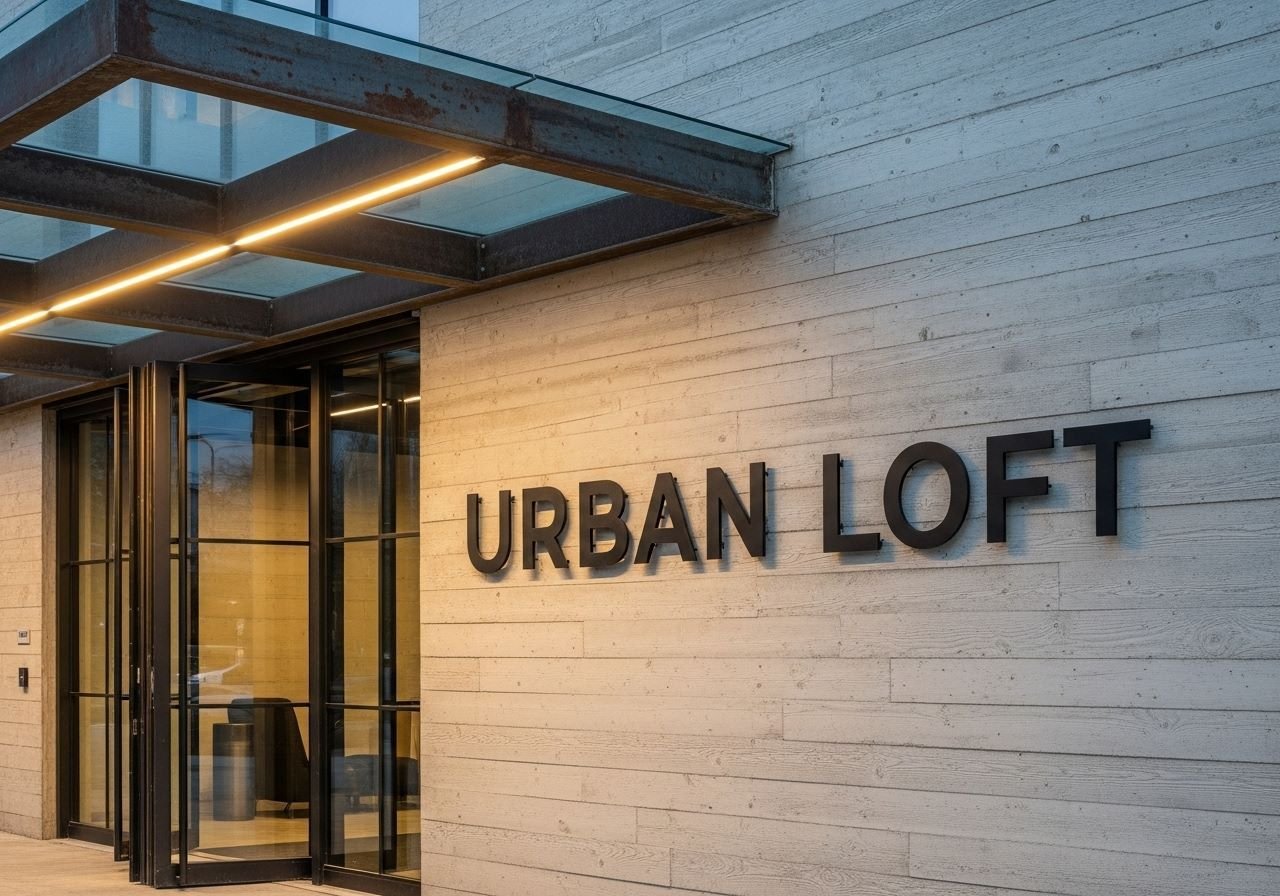
For any commercial building, the very first thing potential customers, clients, and visitors notice is not the interior décor, the brand promise, or even the products on display — it is the signage that introduces them to the brand. In a vibrant urban landscape like Fort Worth and its surrounding areas of Arlington, Grapevine, and North Richland Hills, architectural signage is more than a wayfinding tool — it is the visual handshake between a business and its audience.
Architectural Signage in Fort Worth plays a vital role in shaping first impressions and directly influences customer perception, brand recall, and even business success. This article explores how thoughtful signage design contributes to powerful first impressions and why businesses in Fort Worth are increasingly investing in high-quality, visually striking signage solutions.
1. First Impressions in the Built Environment — Why They Matter
The Psychology of Visual Impact
Research in environmental psychology consistently shows that humans form first impressions within milliseconds of visual exposure. A building’s façade, entranceway, and signage are critical components in this split-second decision. For commercial properties in Fort Worth’s bustling districts such as Sundance Square or Near Southside, where each block displays fierce competition for customer attention, the visual impact of architecture and signage cannot be underestimated.
Effective Architectural Signage in Fort Worth does more than label a space — it communicates:
- Credibility
- Professionalism
- Personality
- Brand story
This visual shorthand guides visitors on what to expect before they ever step through the door.
2. Architectural Signage — A Blend of Form and Function
What Makes Architectural Signage Different?
Architectural signage integrates signage seamlessly with the design of a building. Rather than simply being applied to walls or doors as an afterthought, it becomes a cohesive part of the structure, enhancing aesthetics and usability.
In Fort Worth commercial architecture, such signage encompasses:
- Dimensional channel letters
- Illuminated features
- Monument signs
- Wayfinding systems
- Building identification plaques
- Custom metal, wood, or acrylic pieces
These are examples of Custom Building Signs that not only mark a space but reflect a company’s brand and ethos through materials, scale, textures, and lighting.
3. How Architectural Signage Shapes First Impressions in Fort Worth
A. Establishing Visual Hierarchy and Brand Identity
In a city like Fort Worth, where historic architecture meets contemporary design, distinguishing your building starts with a bold identity statement. Whether a corporate headquarters in West 7th or a boutique storefront in Downtown, Architectural Signage in Fort Worth must tell a coherent brand story.
Well-designed signage helps:
- Establish brand presence at a glance
- Communicate industry and style
- Match architectural themes (e.g., rustic, modern, traditional)
This alignment between signage and building architecture reinforces brand authenticity and elevates first impressions from mundane to memorable.
B. Enhancing Visibility and Wayfinding
Imagine driving through the Cultural District and needing to locate an office suite or style salon. Clear, readable signage instantly reduces confusion and stress. Architectural signage goes beyond aesthetics — it delivers practical navigation cues to visitors, ensuring:
- Entrance points are easily identifiable
- Departments or units are clearly labeled
- Foot and vehicle traffic flows intuitively
This functional dimension to signage transforms a first impression from disorientation to confidence.
C. Conveying Quality and Professionalism
In competitive markets like Fort Worth’s Medical District or Alliance Town Center, visitors subconsciously judge the quality of a business by the quality of its signage. Crisp, well-crafted, and thoughtfully installed Custom Building Signs suggest attention to detail and professionalism.
Conversely, poorly designed signage can:
- Suggest disorganization
- Diminish perceived value
- Deter customers before they even enter
Architectural signage influences not just what people think, but how they feel about a space — a powerful first impression factor.
4. Materials, Lighting, and Design Trends in Fort Worth Signage
Across Fort Worth and neighboring cities such as Colleyville and Hurst, businesses are embracing innovative materials and lighting techniques to enhance their architectural signage.
A. Material Selection
Materials impact durability, style, and cost. Some commonly used options include:
- Aluminum and stainless steel — clean, modern appeal
- Acrylic — versatile and cost-effective
- Wood and composite materials — warmth and traditional aesthetic
- Stone accents — high-end, timeless appeal
Mixing materials can enhance visual interest and reinforce architectural character.
B. Lighting to Elevate Day and Night Presence
Lighting extends the impact of signage around the clock. Techniques employed in architectural signage include:
- Backlit halo effects
- Front-lit channel letters
- LED perimeter lighting
- Spotlights and accent lights
For businesses in Fort Worth’s entertainment districts, where foot traffic peaks at night, illuminated signage contributes to both brand visibility and safety.
C. Digital and Interactive Signage
The next frontier in architectural signage blends digital screens with the built environment. Digital signage can:
- Display real-time content
- Promote events or specials
- Adapt visual messaging depending on audience or time of day
Across modern office parks near DFW Airport or retail corridors in Southlake, this fusion of digital and architectural signage creates a dynamic user experience.
5. The Strategic Value of Custom Building Signs
Generic signage can blur into the background. Custom Building Signs, by contrast, are tailored to a business’s specific identity and architectural context. They are designed with attention to:
- Typography that reflects brand voice
- Proportion and scale relative to building facades
- Color palettes that strengthen recognition
- Materials compatible with weather conditions and maintenance needs
Custom signs create a unique presence in Fort Worth’s urban landscape, ensuring your building stands out while reinforcing your brand’s narrative.
6. Collaborating with Experts to Maximize Impact
Designing architectural signage that achieves both functional clarity and aesthetic harmony requires expertise. Partnering with a professional team ensures that signs are:
- Created with structural and code compliance in mind
- Integrated with architectural plans
- Durable and safe under local weather conditions
For businesses seeking reliable execution and creative design, working with an experienced sign company in Fort Worth brings peace of mind and exceptional results.
Whether you are launching a new storefront in River East, renovating a facility in Fort Worth Stockyards, or upgrading a corporate campus near Keller, professional guidance ensures that signage enhances — rather than detracts from — the overall environment.
7. Case Examples: Signage That Sets the Tone
A. Boutique Retail in Sundance Square
Imagine a boutique fashion store with custom metal signage that mirrors the crisp lines of its windows and marble façade. The signage’s minimalist design and lighting enhance the premium feel — enticing pedestrians to step inside.
Across the street, another business uses illuminated dimensional letters with a bold color palette to draw attention during evening events. Here, Architectural Signage in Fort Worth becomes part of the city’s lively streetscape.
B. Corporate Offices in West 7th District
For corporate tenants, signage often balances brand visibility with professional dignity. A law firm, for example, may choose refined brushed metal letters mounted on stone, while a tech startup opts for larger illuminated signage with modern fonts.
Both approaches shape visitors’ expectations before they reach reception — instilling either respect or creative energy depending on the brand’s mission.
C. Health and Wellness Center in Alliance Area
Healthcare facilities near the Alliance area must present signage that is clear, compassionate, and accessible. Strategically placed wayfinding signs guide patients seamlessly from parking to treatment rooms. Signage materials are chosen for readability and durability, reinforcing trust and comfort.
In all these scenarios, the right signage design shapes first impressions in ways that align with organizational purpose.
8. Fort Worth’s Cultural Influence on Signage Aesthetics
Fort Worth is a city that celebrates heritage — from its cowboy roots to its burgeoning arts scene. This cultural blend influences architectural signage trends:
- Historic districts encourage classic materials and understated elegance
- Contemporary developments foster bold, modern aesthetics
- Arts and entertainment zones welcome creative and expressive signage
Signage becomes not just a marker, but a cultural expression — weaving local identity into every letter, texture, and illumination.
9. Local Expertise: Crafting Signage That Resonates
In Fort Worth’s competitive market, businesses benefit greatly from partnering with providers who understand local contexts. One such partner, SpeedPro Fort Worth Mid-Cities, has helped numerous companies bring their signage visions to life with precision and creativity. By integrating brand strategy with architectural harmony, these collaborations ensure signage communicates value at every glance.
Whether the challenge is installing large-scale monument signs along busy highways or crafting elegant lobby signage for corporate towers, expertise matters.
Another example of strong local partnership is SpeedPro Fort Worth Mid-Cities working with developers in nearby Arlington and Euless to create signage that reinforces both commercial appeal and spatial identity.
10. The Future of Architectural Signage in Fort Worth
As Fort Worth continues to grow — with mixed-use developments, revitalized downtown spaces, and innovative commercial districts — signage will evolve too. Emerging trends include:
- Eco-friendly materials and sustainable LED lighting
- Augmented reality wayfinding
- Modular signage systems adaptable to tenant changes
- Integration of public art and community storytelling
Architectural signage will increasingly become not just a business tool but an urban design element — shaping experiences, narratives, and city identity.
Frequently Asked Questions (FAQs)
1. What is architectural signage and why is it important?
Architectural signage refers to signs that are integrated into the design of a building or landscape to enhance both visual appeal and functionality. It is important because it creates first impressions, communicates brand identity, and assists with navigation.
2. How does custom signage differ from standard signage?
Custom signage is tailor-made specifically to reflect a brand’s unique identity, architectural context, and functional needs. Standard signage often consists of off-the-shelf solutions with limited personalization.
3. What types of architectural signage are commonly used in Fort Worth?
Common types include dimensional letters, illuminated signs, monument signs, wayfinding signage, building identification plaques, and digital displays.
4. How does signage impact customer perception?
Signage influences how customers perceive professionalism, quality, and trustworthiness. High-quality, well-designed signage enhances credibility and encourages engagement.
5. Are there local regulations for architectural signage in Fort Worth?
Yes — zoning laws, historic district guidelines, and building codes can dictate sign size, placement, lighting, and materials. Professional signage designers help ensure compliance.
6. How can businesses ensure their signage aligns with brand identity?
Working with experienced designers and signage professionals who understand brand strategy and architectural harmony ensures that signage reflects brand values and enhances visibility.
Conclusion
In Fort Worth’s dynamic commercial environment, architectural signage plays a pivotal role in shaping first impressions. From increasing brand visibility to enhancing user experience, Architectural Signage in Fort Worth is a powerful tool that connects businesses with their audiences before a single word is spoken.
By investing in creative, thoughtful, and professionally executed Custom Building Signs, companies not only elevate their physical presence but also build lasting emotional resonance. In a city where heritage and modernity coexist, architectural signage becomes a bridge between place and identity — making the first impression truly count.
