

Athletes face a unique challenge when injuries interrupt training, competition and long-term performance goals. Joint injuries, in particular, can limit movement, reduce strength and delay a safe return to sport if not appropriately treated. Medical advances now allow sports injuries to be managed with greater precision and shorter recovery periods. Arthroscopy has become a preferred option because it focuses on targeted repair while protecting healthy tissue. Many athletes exploring treatment options often look to the best arthroscopy hospitals in India for strong clinical outcomes and access to specialised sports care. Understanding how arthroscopy supports faster recovery helps athletes make informed decisions about treatment and rehabilitation.
Understanding Arthroscopy in Sports Injury Care
Arthroscopy plays a key role in diagnosing and treating joint problems that affect athletic performance. It allows doctors to address internal joint damage while minimising surgical stress on the body.
What Arthroscopy Involves?
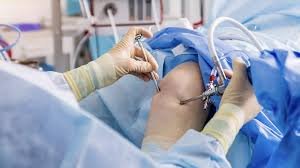
Arthroscopy is a minimally invasive surgical technique used to examine and treat joint conditions. Surgeons insert a small camera and specialised instruments through tiny incisions near the joint. This approach allows clear visualisation of structures such as cartilage, ligaments and tendons. Compared to open surgery, arthroscopy causes less disruption to surrounding tissues, which supports a smoother recovery process for athletes.
Why Arthroscopy Supports Faster Athletic Recovery?
Athletes often prioritise treatments that balance effective repair with minimal downtime. Arthroscopy meets this need by reducing physical stress and supporting early rehabilitation.
Reduced Tissue Trauma and Pain
Smaller incisions cause less muscle and tissue damage during surgery. This usually means less pain and swelling afterward. With discomfort under control, athletes can start guided movement sooner, helping keep joints flexible and muscles active.
Faster Healing and Shorter Downtime
Since arthroscopy preserves healthy tissue, the body focuses its healing response on the injured area. Athletes typically experience shorter hospital stays and quicker transitions to physiotherapy. This efficiency explains why many professionals consider the treatment options offered by the best arthroscopy hospitals in India when planning recovery timelines.
Lower Risk of Complications
Minimally invasive procedures reduce the risk of infection and excessive scarring. A lower complication rate helps athletes stay on track with rehabilitation plans. Consistent progress during recovery often determines how confidently an athlete can return to sport-specific activity.
Common Sports Injuries Treated With Arthroscopy
Arthroscopy addresses several joint injuries that frequently affect athletes across different sports. These conditions often limit mobility and performance if left untreated.
Knee Injuries
The knee joint absorbs significant impact during running, jumping and sudden direction changes. Arthroscopy commonly treats meniscal tears, cartilage damage and ligament injuries such as ACL tears. Early intervention helps restore joint stability and reduces long-term wear.
Shoulder Injuries
Overhead sports place repeated stress on the shoulder joint. Arthroscopy allows accurate treatment of rotator cuff tears, labral injuries and shoulder instability. Maintaining shoulder strength and range of motion helps reduce the risk of repeat injuries.
Ankle and Elbow Conditions
Athletes involved in high-impact or throwing sports often develop ankle impingement or elbow ligament injuries. Arthroscopic treatment helps remove damaged tissue and correct structural problems, supporting controlled, steady rehabilitation.
Role of Rehabilitation After Arthroscopy
Surgery alone does not determine recovery speed. Rehabilitation guides the body back to functional movement and athletic readiness.
Early and Structured Physiotherapy
Physiotherapy often begins soon after arthroscopy. Controlled exercises improve flexibility, strength and joint stability without overloading healing tissues. Early movement also supports circulation and reduces stiffness, which helps athletes regain confidence in the injured joint.
Gradual Return to Sport-Specific Training
Rehabilitation programmes progress in phases. Initial focus remains on basic movement and strength. Later stages introduce sport-specific drills that mirror the demands of real competition. This structured approach lowers the risk of re-injury while improving overall performance readiness.
Psychological Benefits of Faster Recovery
Physical healing influences mental readiness to return to sport. Arthroscopy supports both aspects of recovery.
Confidence in Joint Function
When surgeons treat the injury with minimal disruption, athletes regain trust in their joint. Reduced pain and visible progress during rehabilitation reinforce confidence, which is vital to competitive performance.
Motivation and Consistency
Shorter recovery timelines often improve motivation to follow rehabilitation plans. Athletes who see steady progress remain more engaged with physiotherapy and conditioning routines. This consistency contributes to safer and faster returns to sport.
Choosing the Right Treatment Approach
Selecting the appropriate treatment depends on injury type, severity and athletic goals. Arthroscopy is suitable for many sports injuries, but medical assessment remains essential. Athletes often research outcomes, surgeon experience and rehabilitation support when choosing care. For this reason, the best arthroscopy hospitals continue to attract attention for their structured sports injury management and focus on long-term joint health. A personalised treatment plan ensures that recovery aligns with both performance demands and future injury prevention.
Conclusion
Arthroscopy has changed how sports injuries are treated by combining precision with faster recovery potential. Smaller incisions, reduced pain and early rehabilitation allow athletes to regain strength and movement without unnecessary delay. This approach supports both physical healing and mental readiness, which remain critical for competitive success. Athletes seeking reliable outcomes often consider the best arthroscopy hospitals in India for their
