

Exploring Morocco is an unforgettable experience, and for travelers from Jordan, obtaining a Morocco eVisa for Jordan Citizens makes the journey smooth and convenient. From the colorful souks of Marrakech to the historic streets of Fes and the breathtaking landscapes of the Atlas Mountains, Morocco offers a rich blend of culture, history, and adventure. With the eVisa in hand, Jordanian tourists can easily visit iconic landmarks like the Hassan II Mosque, the Sahara Desert, and the vibrant coastal city of Essaouira while enjoying a hassle-free entry process.
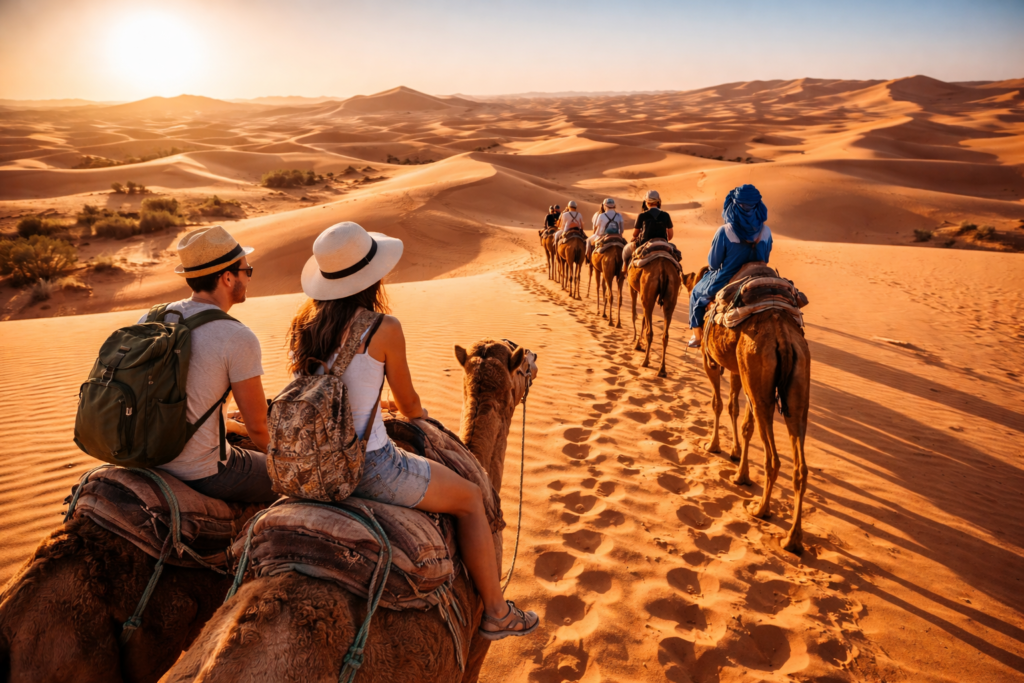
The Morocco eVisa for Jordan Citizens also provides flexibility in planning your trip, allowing tourists to fully immerse themselves in Morocco’s unique experiences. Whether it’s exploring ancient kasbahs, sampling traditional Moroccan cuisine, or attending local festivals, having an approved eVisa ensures peace of mind at immigration. By preparing the required documents and understanding the visa process, Jordanian travelers can enjoy a seamless and memorable Moroccan adventure.
Do Jordanian Citizens Need a Visa for Morocco?
Yes, citizens of Jordan are required to obtain a visa before entering the Kingdom of Morocco. Fortunately, Jordan is one of the eligible countries for the Morocco eVisa program. This digital authorization allows you to apply entirely online, eliminating the need to visit an embassy or consulate in person. Whether you are traveling for a vacation or a business meeting, the eVisa is the standard gateway for a seamless entry.
What Are the Available Morocco eVisa Types for Jordanians?
Depending on the nature of your visit, you can choose between two primary electronic visa categories. Both offer a straightforward application process but serve different purposes.
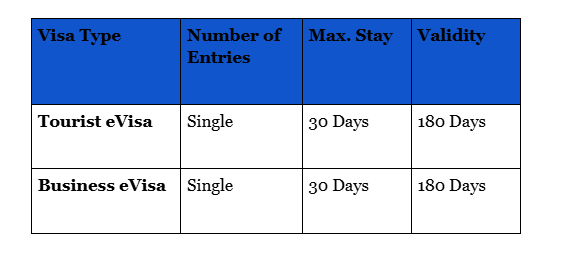
Note: The validity period refers to the window of time you have to enter Morocco after the visa is issued. Once you enter, you can stay for a maximum of 30 days.
What Are the Document Requirements for a Morocco eVisa?
To ensure your application is processed without delays, you must prepare clear, digital copies of the following documents. The Moroccan authorities require high-quality scans where all text is legible.
Core Requirements for All Applicants:
- Passport Bio-data Page: A scan of your valid Jordanian passport. It must be valid for at least six months from your date of entry.
- Recent Passport Photo: A color photograph with a white background, taken within the last six months.
Additional Supporting Documents (Conditional):
For certain applicants, “Category B” or “Category C” requirements may apply if they are residing outside of Jordan:
- Option A — Residence Permit: A valid residence permit from a stable country (like a GCC country, US, UK, or Schengen zone).
- Option B — Multiple-Entry Sticker Visa: A valid, used, multiple-entry visa from the US, UK, Canada, or Schengen area.
Specific Requirements for Business eVisa:
If you are traveling for professional reasons, you must also provide:
- An invitation letter from a registered company in Morocco.
- A formal meeting confirmation.
- Any document proving business cooperation or a partnership between the Jordanian and Moroccan entities.
How Long Does the Morocco eVisa Processing Take?
The time it takes to receive a Morocco eVisa depends on how quickly you need your travel authorization. Applicants can select a service tier that best fits their schedule. Key processing time options include:
- Standard Service: 3–6 working days – ideal for planned vacations and routine trips.
- Rush Service: 2–4 working days – suitable for travelers with last-minute changes or tight schedules.
- Super Rush Service: 1–2 working days – designed for urgent business trips or emergency travel.
How to Apply for a Moroccan eVisa as a Jordanian?
The application process is designed to be user-friendly and can be completed in three simple steps:

- Fill the Online Form: Enter your personal details, passport information, and travel dates into the digital portal.
- Upload Documents: Attach the required scans of your passport, photo, and any business or residence documents.
- Payment: Use a secure credit or debit card to pay the processing fees. Once paid, you will receive a confirmation email with a tracking number.
Once approved, the eVisa is sent directly to your email as a PDF. You must print this document and carry it with you to present at the Moroccan border.
Can I Work in Morocco on an eVisa?
No. The Morocco eVisa is strictly for tourism or business visit purposes. Business visits include attending meetings, conferences, or signing contracts. It does not grant the right to take up local employment or sign a labor contract with a Moroccan company. If you intend to work and live in Morocco, you must apply for a traditional Work Visa and a Residency Permit (Carte de Séjour) through the appropriate channels.
Is a Transit Visa Required if I Have a Morocco eVisa?
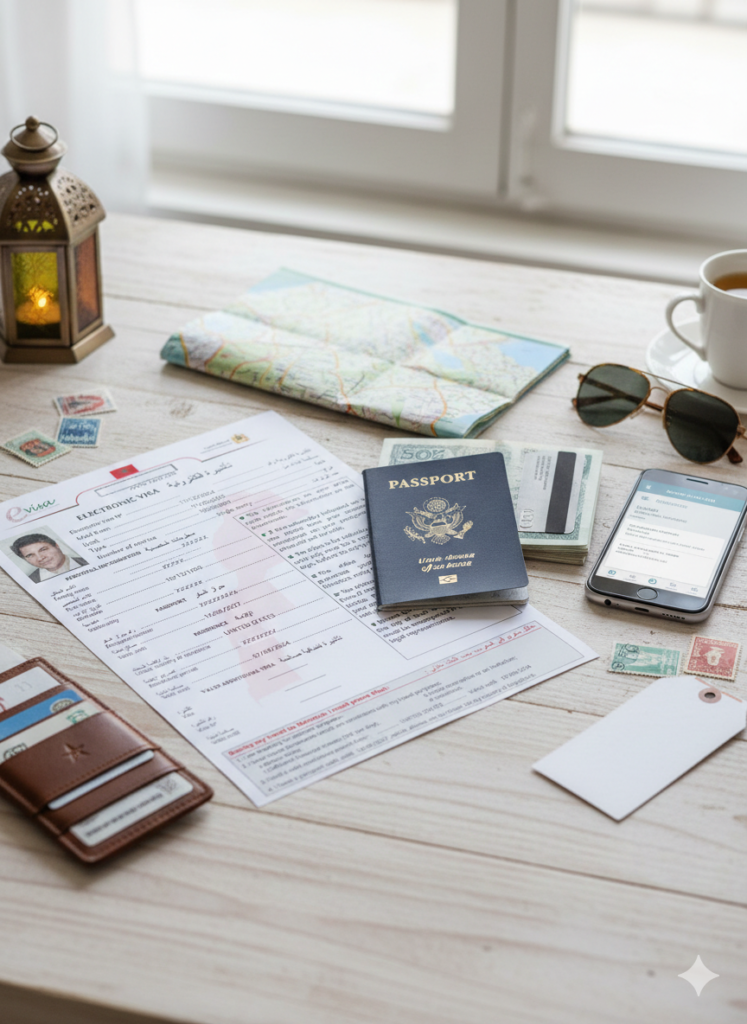
If you already hold a valid Morocco eVisa, you generally do not need a separate transit visa. The eVisa is a comprehensive travel document that grants you the legal right to enter the country, pass through immigration, and stay for up to 30 days.
Key Insights on Transiting with an eVisa:
- Entry Privileges: Unlike a restricted transit-only permit, an eVisa allows you to legally leave the airport, explore the city during your layover, and stay overnight in a hotel.
- The 24-Hour Rule: If your layover is less than 24 hours and you remain within the international transit area of the airport without passing through passport control, no visa is typically required for Jordanians.
- Exiting the Airport: If you wish to clear immigration either to change airports, check in for a new flight, or visit the city your eVisa serves as your official entry permit.
- Single Entry Limitation: Keep in mind that most Morocco eVisas are single-entry. If you use your eVisa to enter Morocco during your outbound journey, you will need a new visa or a different arrangement for your return journey if you plan to enter the country again.
- Document Readiness: Always have a printed copy of your approved eVisa PDF and your onward flight ticket ready to show the immigration officer at the border.
Is Morocco Safe for Tourists with an eVisa?
Morocco is generally considered safe for tourists holding a Morocco eVisa, but travelers should stay informed and take basic precautions to ensure a smooth visit. Key safety points include:
- Popular Tourist Areas: Cities like Marrakech, Fes, and Casablanca are well-patrolled and tourist-friendly.
- Personal Belongings: Keep valuables secure, especially in crowded markets or public transport.
- Local Customs: Respect Moroccan cultural norms and dress modestly in public areas.
- Transportation Safety: Use registered taxis or reliable ride services for city travel.
- Emergency Contacts: Keep local emergency numbers handy in case of medical or safety issues.
- Travel Insurance: Having valid travel insurance adds an extra layer of security during your trip.
How Much Cash Should I Carry When Traveling to Morocco?
When traveling to Morocco, it’s important to carry an appropriate amount of cash to cover daily expenses, especially in areas where card payments may not be accepted. While there’s no fixed amount, planning ahead ensures a smooth and comfortable trip. Key points to consider include:
- Daily Spending: Estimate cash for meals, public transport, local shopping, and tips. On average, modest daily expenses can range from 300 to 600 MAD per person.
- Small Purchases: Markets, street vendors, and taxis often prefer cash over cards.
- ATMs Availability: ATMs are widely available in cities, but rural areas may have limited access.
- Emergency Funds: Always keep a small reserve for unexpected situations.
- Safety Tips: Carry only what you need for the day and store the rest securely in a hotel safe or money belt.
How Can Students Apply for a Morocco Student Visa?
Students planning to study in Morocco must obtain a Morocco student visa before arrival. Understanding the application process ensures a smooth and timely approval. Key points for applying include:
- Eligibility: Applicants must have an acceptance letter from a recognized Moroccan educational institution.
- Valid Passport: Ensure your passport is valid for at least six months from the date of entry.
- Required Documents: Typical documents include passport photos, completed visa application form, proof of financial means, and academic admission letter.
- Application Process: Submit the application online or at the nearest Moroccan consulate or embassy.
- Processing Time: Standard processing may take several weeks, so apply well in advance of your course start date.
- Additional Requirements: Some universities may require proof of accommodation, travel insurance, or vaccination records.
Are ATMs Widely Available in Morocco?
For travelers to Morocco, knowing about ATM availability is essential for managing cash during your trip. While cash is important for small purchases and local markets, ATMs provide convenient access to Moroccan Dirhams throughout the country. Key points include:
- Major Cities: ATMs are widely available in cities like Marrakech, Casablanca, Rabat, and Fes.
- Rural Areas: Fewer ATMs exist in remote towns or desert regions, so carry extra cash when traveling outside urban centers.
- Accepted Cards: Most ATMs accept international debit and credit cards, including Visa and MasterCard.
- Fees: Some ATMs may charge withdrawal fees or currency conversion fees, so check with your bank before traveling.
- 24/7 Access: Many ATMs in urban areas are available round the clock for convenience.
Can I Get a SIM Card and Internet Easily in Morocco?
Travelers to Morocco can easily stay connected, as SIM cards and internet access are widely available throughout the country. Understanding how to obtain mobile services helps ensure seamless communication during your trip. Key points include:
- Availability of SIM Cards: SIM cards can be purchased at airports, mobile stores, and authorized retailers in cities.
- Required Documents: A valid passport is usually needed to register the SIM card.
- Mobile Networks: Major providers like Maroc Telecom, Orange, and Inwi offer reliable coverage in urban areas and many tourist destinations.
- Internet Access: Prepaid SIM cards often include data packages for mobile internet, and Wi-Fi is commonly available in hotels, cafes, and restaurants.
- Cost Considerations: Data packages are generally affordable, and you can choose plans based on your usage needs.
What Plug Type is Used in Morocco?
When traveling to Morocco, knowing the plug type and electrical specifications is essential to keep your devices charged and ready. Using the correct plug and voltage prevents damage to electronics and ensures convenience. Key points include:
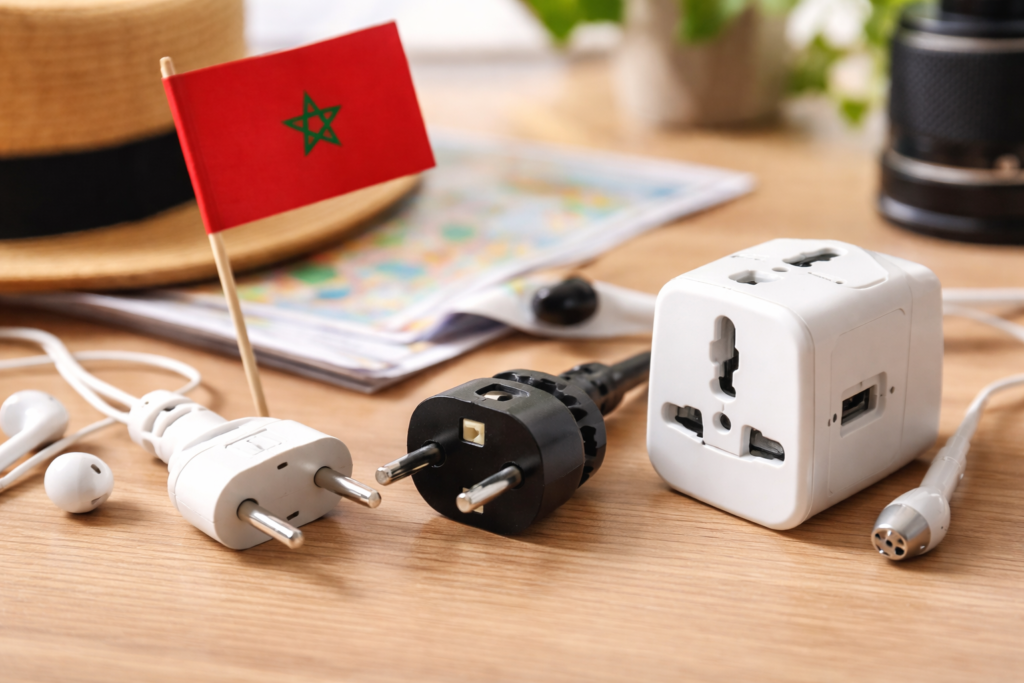
- Plug Types: Morocco primarily uses Type C and Type E plugs.
- Voltage and Frequency: The standard voltage is 220V with a frequency of 50Hz, so check that your devices are compatible.
- Adapters and Converters: Travelers from countries with different plug types or voltages may need a plug adapter or voltage converter.
- Availability: Adapters are widely available at airports, electronics stores, and hotels in Morocco.
- Hotel Facilities: Many hotels offer universal sockets, but carrying a personal adapter ensures you can charge devices anywhere.
What is the Best Time to Visit Morocco?
Planning your trip to Morocco involves choosing the right season to enjoy the country’s diverse landscapes, culture, and attractions. The best time to visit Morocco depends on your preferred activities and climate. Key points include:
- Spring (March to May): Mild temperatures and blooming landscapes make it ideal for sightseeing and outdoor activities.
- Autumn (September to November): Comfortable weather, fewer crowds, and pleasant conditions for exploring cities, deserts, and mountains.
- Summer (June to August): Hot temperatures, especially in inland and desert areas; coastal regions remain cooler.
- Winter (December to February): Cooler temperatures in the mountains and deserts, suitable for skiing or exploring Marrakech with fewer tourists.
- Festivals and Events: Timing your visit around cultural festivals can enhance your travel experience.
Conclusion:
The Morocco eVisa has opened a streamlined path for Jordanian citizens to explore the North African gem. By preparing your documents in advance, specifically your passport scan and photo, you can secure your entry within just a few days. Remember that while the digital process handles your entry, the beauty of your trip lies in respecting the local culture, carrying enough Dirhams for the souks, and choosing the right season for your adventure. Whether you are heading for a business deal in Casablanca or a camel trek in Merzouga, the eVisa ensures your focus remains on the experience rather than the paperwork.
