

Travel often feels effortless until navigation becomes confusing or information feels scattered. This is where thoughtfully designed print materials step in and quietly improve the experience. A well-crafted map brochure does more than guide directions. It shapes how visitors explore, understand, and remember a destination. While digital tools continue to evolve, compact print guides still hold a strong place in tourism because they offer clarity, reliability, and ease of use in real-world settings.
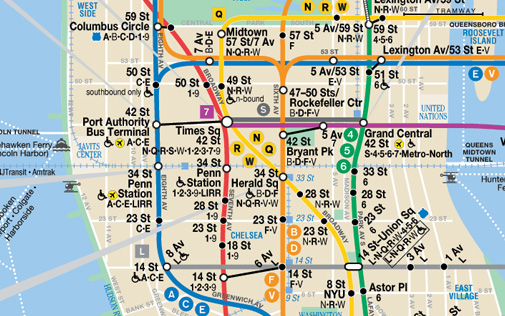
Why Physical Guides Still Matter?
Tourists often rely on quick decisions while exploring unfamiliar places. Mobile screens may feel limiting under bright sunlight, low battery, or poor connectivity. Printed guides solve this problem in a simple way. A compact folding map offers immediate access without interruptions. Visitors engage with it naturally, unfolding sections as they move through spaces, which creates a more intuitive sense of direction.
Physical guides also remove distractions. Unlike mobile devices filled with notifications, a print guide keeps focus entirely on the experience. This uninterrupted interaction often leads to deeper engagement with the destination.
Making Navigation Effortless
Clear navigation plays a central role in visitor satisfaction. When people feel lost, their overall experience suffers. Compact print guides simplify movement across cities, parks, or large venues. A thoughtfully structured map brochure highlights key landmarks, routes, and zones in a way that feels easy to follow.
Design elements such as color coding, icons, and sections support quick understanding. Visitors do not need to zoom or scroll endlessly. Instead, they glance, locate, and move with confidence. This sense of control improves how they interact with the environment.
Encouraging Exploration Beyond the Obvious
Tourists often stick to well-known spots unless guided otherwise. Print materials create opportunities to introduce lesser-known attractions. A strategically designed folding map presents hidden gems alongside major landmarks, encouraging visitors to explore beyond typical routes.
This approach benefits both visitors and destinations. Travelers enjoy richer experiences, while local businesses and attractions receive more visibility. A simple shift in presentation leads to broader exploration patterns.
Enhancing Memory and Emotional Connection
Experiences become meaningful when they leave a lasting impression. Physical items often carry emotional value because people associate them with moments and memories. A compact map brochure often becomes a keepsake, something visitors hold onto even after the trip ends.
This tangible connection strengthens recall. Unlike digital content that fades into endless scrolling, printed guides remain accessible. They sit in bags, drawers, or travel journals, quietly reminding people of their journey.
Supporting Accessibility for All Visitors
Tourism includes diverse audiences with different needs. Not every visitor prefers or relies on digital tools. Some may feel more comfortable using physical guides due to familiarity or accessibility requirements. A clear and well-organized folding map ensures that information remains inclusive.
Large fonts, simple layouts, and logical sections support ease of use across age groups. Visitors who may struggle with digital interfaces find printed materials more approachable. This inclusivity improves overall satisfaction.
Bridging Print and Digital Experiences
Modern tourism does not require a choice between print and digital. Instead, both formats complement each other. A map brochure often includes QR codes, short links, or prompts that guide users toward additional digital content.
This hybrid approach creates a seamless journey. Visitors begin with a physical guide for orientation and transition to digital platforms for deeper exploration. The combination feels natural and supports different stages of the travel experience.
Improving Crowd Management
Popular destinations often face crowd distribution challenges. Visitors tend to cluster around familiar spots, creating congestion. Print guides play a subtle yet effective role in managing this issue. A well-planned folding map directs attention toward multiple routes and attractions.
By presenting alternative paths and points of interest, destinations encourage balanced movement. Visitors spread out more evenly, which improves comfort and safety while enhancing overall flow.
Strengthening Local Engagement
Tourism thrives when visitors connect with local culture, businesses, and experiences. Compact print guides support this connection by highlighting relevant information in a structured format. A thoughtfully curated map brochure introduces dining spots, cultural landmarks, and community spaces.
This curated presentation builds trust. Visitors feel more confident exploring recommendations when they appear within a reliable guide. Local engagement increases, benefiting both travelers and communities.
Design That Drives Usability
Effective print guides rely on smart design choices. Layout, typography, and folding patterns shape how users interact with information. A carefully designed folding map ensures that content remains accessible without overwhelming the reader.
Sections unfold in a logical sequence, guiding users step by step. Visual hierarchy directs attention toward key details. This clarity reduces confusion and enhances usability, which directly impacts visitor satisfaction.
Reducing Dependence on Connectivity
Connectivity issues remain common in many travel environments. Remote locations, crowded events, or international travel often limit access to stable networks. In such situations, a map brochure becomes a reliable companion.
Visitors do not need to rely on signal strength or battery life. Information remains available at all times. This reliability builds confidence and allows travelers to focus on the experience rather than technical limitations.
Supporting Event-Based Navigation
Large-scale events often present unique challenges for visitors. Festivals, exhibitions, and sports gatherings require clear direction to ensure smooth movement. A compact map brochure helps attendees locate stages, facilities, and entry points without confusion. Organizers benefit from reduced crowd stress, while visitors enjoy a more relaxed experience. When information feels easy to access, people spend less time searching and more time engaging with the event.
Encouraging Sustainable Tourism Practices
Sustainability continues to shape travel decisions and destination planning. Print guides support this shift when designed with purpose and efficiency. A well-structured folding map reduces the need for multiple printed materials by combining essential information into a single format. Visitors rely on fewer resources, which aligns with environmentally conscious travel habits. Destinations that adopt such practices create a more responsible and thoughtful visitor experience.
Building Trust Through Clear Communication
Trust plays a quiet yet important role in tourism. Visitors rely on accurate information to make decisions quickly. A clearly organized map brochure provides a sense of reliability that digital platforms sometimes struggle to maintain. Information appears curated, verified, and easy to follow. This clarity reduces hesitation and allows visitors to move forward with confidence. When communication feels dependable, the overall experience becomes smoother and more enjoyable.
Creating a Seamless First Impression
First impressions often shape the entire visitor journey. When travelers arrive at a destination, they look for quick guidance to get oriented. A thoughtfully designed folding map offers that immediate clarity. It presents essential details in a format that feels easy to understand and quick to use. Visitors gain confidence early, which sets a positive tone for the rest of their experience. This initial interaction may seem small, yet it plays a significant role in how people perceive and navigate a new place.
Conclusion
Compact print guides continue to shape how people experience destinations. They simplify navigation, encourage exploration, and create lasting impressions through tangible interaction. A thoughtfully designed folding map supports visitors at every stage of their journey, from orientation to discovery. As tourism evolves, these guides remain relevant by blending practicality with meaningful engagement, offering an experience that feels both seamless and memorable.
