

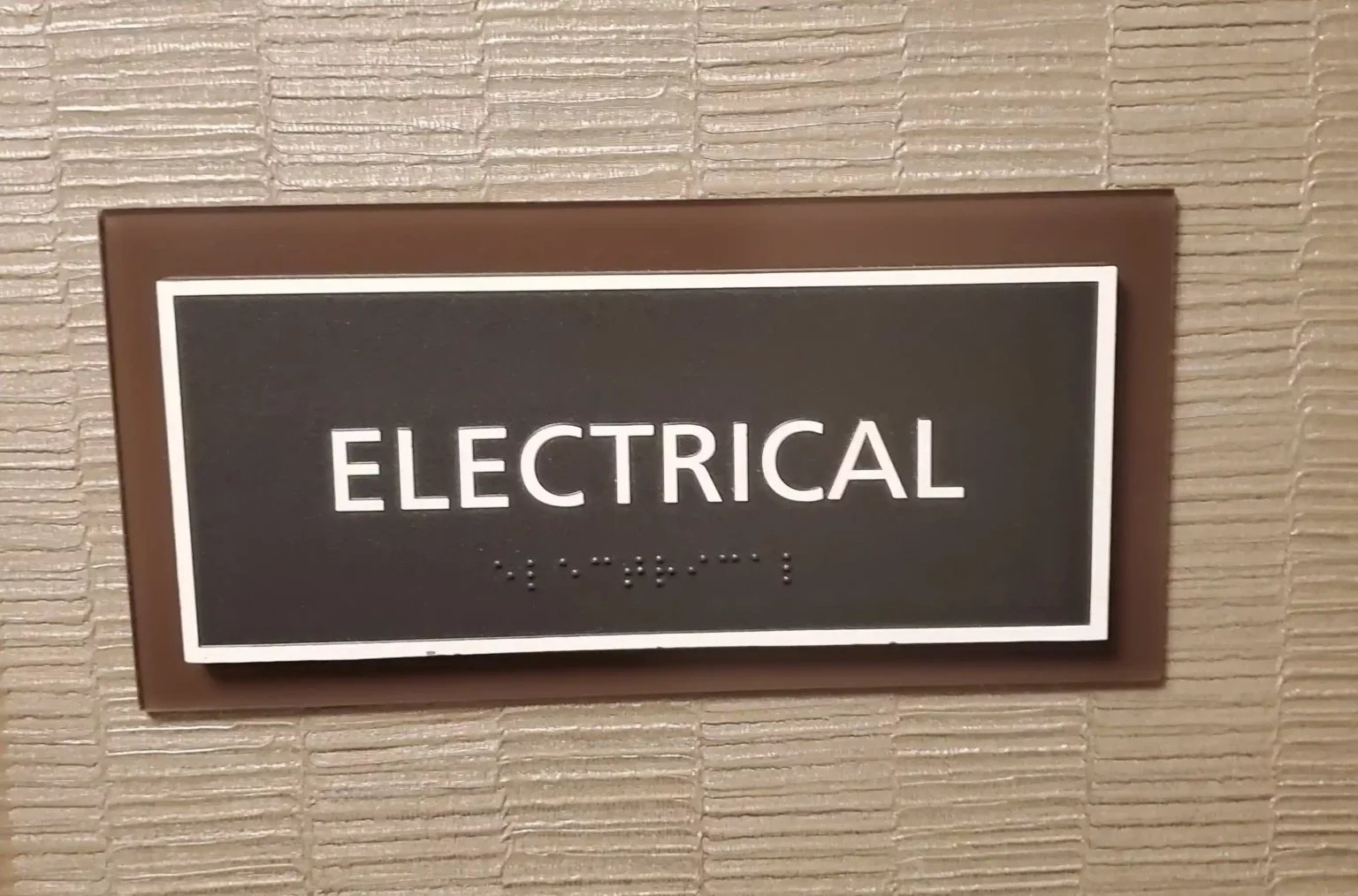
Businesses today are expected to do more than simply offer great products or services. They must also create spaces that are inclusive, welcoming, and easy for everyone to navigate. One of the most effective ways to achieve this is through well-designed signage that supports accessibility and reinforces brand identity. For companies in Jacksonville, implementing ADA Signs in Jacksonville is not just a compliance requirement—it is an opportunity to build trust, enhance customer experience, and strengthen brand presence.
Custom signage that follows accessibility standards ensures that every visitor, including individuals with disabilities, can comfortably interact with your space. At the same time, thoughtfully designed signage can visually represent a company’s identity and values. When these two goals are combined through Custom ADA Signs, businesses can create an environment that is both functional and memorable.
This article explores how accessible signage improves usability, supports legal compliance, and enhances brand identity for businesses across Jacksonville.
Understanding ADA Signage and Its Importance
The Americans with Disabilities Act (ADA) established guidelines to ensure equal access for individuals with disabilities in public spaces. One of the key components of this law involves accessible signage that helps people navigate buildings and facilities.
ADA-compliant signage typically includes:
- Raised tactile lettering
- Braille translations
- High-contrast color combinations
- Non-glare finishes
- Standardized placement and height
These elements make signage readable and understandable for people with visual impairments or other accessibility needs.
For Jacksonville businesses, installing ADA Signs in Jacksonville ensures that customers, employees, and visitors can move around facilities safely and confidently. This includes offices, retail stores, healthcare facilities, educational institutions, and hospitality venues.
Accessible signage plays a crucial role in making environments inclusive and easy to navigate.
The Role of Customization in ADA Signage
While ADA regulations set certain requirements, businesses still have plenty of flexibility when it comes to design. This is where Custom ADA Signs become valuable.
Customization allows businesses to:
- Match signage with brand colors and typography
- Incorporate logos and brand elements
- Maintain consistency across interior spaces
- Align signage with interior design and architecture
Instead of using generic signs that feel disconnected from the brand, businesses can integrate accessibility features into a cohesive design system. This approach helps maintain professionalism while meeting accessibility requirements.
Custom signage also creates a polished and organized environment that leaves a positive impression on visitors.
Why Accessibility Matters for Modern Businesses
Accessibility is not only a legal requirement—it is also an essential part of providing excellent customer service. When businesses invest in accessible spaces, they demonstrate that they care about the comfort and safety of all visitors.
Here are several reasons accessibility is important:
1. Inclusive Customer Experience
Accessible signage ensures that people with visual impairments or mobility challenges can navigate a space independently. This promotes confidence and comfort for all visitors.
2. Legal Compliance
Businesses must follow ADA regulations to avoid potential legal issues or penalties. Proper signage helps ensure compliance with federal accessibility standards.
3. Positive Brand Reputation
Companies that prioritize accessibility often earn stronger trust from their communities. Customers appreciate businesses that demonstrate inclusivity and social responsibility.
4. Improved Navigation for Everyone
Even individuals without disabilities benefit from clear and organized signage. Well-designed wayfinding systems reduce confusion and improve overall visitor experience.
By implementing ADA Signs in Jacksonville, businesses create spaces that are easier to understand and navigate for everyone.
Types of ADA Signs Used in Businesses
Different types of ADA-compliant signs are used throughout commercial environments. Each serves a specific purpose in helping people find their way through a facility.
Room Identification Signs
These signs identify permanent rooms such as offices, conference rooms, restrooms, and storage areas. They include tactile lettering and Braille to support accessibility.
Directional Signs
Directional signage helps guide visitors through larger spaces such as hospitals, schools, and office buildings.
Exit and Emergency Signs
ADA-compliant exit signs ensure that everyone can locate emergency exits quickly and safely.
Restroom Signs
Restroom signage is one of the most common ADA applications. These signs clearly indicate accessible facilities for individuals with disabilities.
Wayfinding Systems
Larger buildings often use coordinated wayfinding systems that combine ADA signage with directional graphics.
Customizing these signs allows businesses to maintain brand consistency while meeting accessibility requirements.
Enhancing Brand Identity Through Signage
Many businesses focus on marketing materials to strengthen brand identity, but interior signage is just as important. Signs are often the first visual elements customers encounter when entering a space.
By investing in Custom ADA Signs, businesses can reinforce their branding while improving accessibility.
Consistent Visual Design
Custom signs can incorporate:
- Brand color palettes
- Company fonts
- Logo elements
- Consistent materials and finishes
This creates a unified appearance across offices, hallways, and customer areas.
Professional Appearance
High-quality signage reflects professionalism and attention to detail. Customers notice when businesses invest in their environment.
Memorable Customer Experience
Branded signage contributes to a unique atmosphere that customers associate with the company.
Reinforcing Brand Values
Accessibility-focused design communicates that a business values inclusivity, equality, and customer care.
When signage combines functionality and aesthetics, it strengthens the overall brand experience.
ADA Signage in Different Industries
Many industries in Jacksonville benefit from ADA-compliant signage. Each environment requires slightly different signage solutions depending on the space and visitor needs.
Corporate Offices
Office buildings rely on room identification signs, conference room markers, and directional signage to help employees and visitors move through the workspace.
Healthcare Facilities
Hospitals and clinics require extensive wayfinding systems to guide patients through departments, waiting areas, and treatment rooms.
Retail Stores
Retail environments benefit from accessible fitting room signage, restroom markers, and directional guidance for customers.
Hospitality Businesses
Hotels and resorts use ADA signs for room numbers, elevators, exits, and amenities to improve guest experience.
Educational Institutions
Schools and universities rely on accessible signage to help students and visitors navigate classrooms, offices, and campus buildings.
Across all these industries, ADA Signs in Jacksonville play an essential role in creating safe and inclusive environments
Materials Used in Custom ADA Signage
The materials used for ADA signage can significantly influence durability, aesthetics, and brand alignment.
Common materials include:
Acrylic
Acrylic signs are popular due to their sleek appearance and versatility. They work well in modern office environments.
Metal
Aluminum and stainless steel signs offer durability and a professional look.
PVC
PVC signage is lightweight and cost-effective while still meeting ADA requirements.
Photopolymer
Photopolymer signs are often used for detailed tactile lettering and Braille.
Each material can be customized with colors, textures, and finishes to match a business’s brand identity.
Strategic Placement of ADA Signs
Correct placement is essential for ADA compliance. Signs must be positioned where people can easily find and read them.
Key placement guidelines include:
- Signs should be mounted at a consistent height
- Room identification signs should be placed beside the door
- Directional signs should appear at decision points such as hallways or intersections
- Braille should be located below the tactile lettering
Following proper placement standards ensures signage is effective and compliant.
The Long-Term Value of Accessible Signage
Investing in high-quality ADA signage offers long-term benefits for businesses.
Reduced Liability
Proper signage helps businesses avoid potential legal issues related to accessibility violations.
Improved Customer Satisfaction
Visitors feel more comfortable when spaces are clearly organized and easy to navigate.
Stronger Brand Image
Professional signage contributes to a polished and welcoming business environment.
Future-Proof Design
As accessibility standards evolve, well-designed signage systems can adapt more easily.
Working with experienced professionals like Jacksonville Signs & Graphics helps ensure businesses receive signage solutions that meet both accessibility requirements and design goals.
Creating a Cohesive Signage System
Rather than installing signs individually over time, businesses benefit from creating a comprehensive signage system.
A cohesive system includes:
- ADA room identification signs
- Directional wayfinding signs
- Lobby and reception signage
- Safety and compliance signage
- Branded interior graphics
This integrated approach ensures visual consistency throughout the space.
Companies such as Jacksonville Signs & Graphics help organizations develop complete signage systems that balance functionality, accessibility, and brand identity.
Conclusion
Accessible design is an essential part of modern business environments. By implementing ADA Signs in Jacksonville, companies ensure their spaces are welcoming and easy to navigate for everyone.
At the same time, thoughtfully designed Custom ADA Signs allow businesses to maintain strong branding and professional aesthetics. When accessibility and branding work together, signage becomes more than a compliance requirement—it becomes a powerful tool for communication and customer experience.
For Jacksonville businesses, investing in high-quality ADA signage supports inclusivity, improves navigation, and strengthens brand identity. As customer expectations continue to evolve, accessible and well-designed signage will remain an important part of successful business environments.
Frequently Asked Questions (FAQs)
1. What are ADA signs?
ADA signs are signage designed to comply with accessibility standards established by the Americans with Disabilities Act. These signs typically include tactile lettering, Braille, and high-contrast designs to help individuals with visual impairments.
2. Why are ADA signs important for businesses?
ADA signage ensures that people with disabilities can navigate spaces independently. It also helps businesses comply with federal accessibility regulations.
3. What makes Custom ADA Signs different from standard signs?
Custom ADA signage follows accessibility guidelines while incorporating brand elements such as logos, colors, and typography.
4. Where should ADA signs be installed in a building?
ADA signs are typically placed near room entrances, restrooms, elevators, exits, and other permanent spaces that require identification.
5. Do all businesses need ADA-compliant signage?
Most public businesses and commercial facilities are required to install ADA-compliant signage to meet accessibility standards.
6. What materials are commonly used for ADA signage?
Common materials include acrylic, aluminum, photopolymer, and PVC, all of which can support tactile lettering and Braille.
7. Can ADA signs still match a company’s branding?
Yes. Custom designs allow businesses to incorporate brand colors, fonts, and logos while maintaining ADA compliance.
8. How do ADA signs improve customer experience?
Clear and accessible signage helps visitors navigate spaces easily, reducing confusion and creating a more welcoming environment.
