

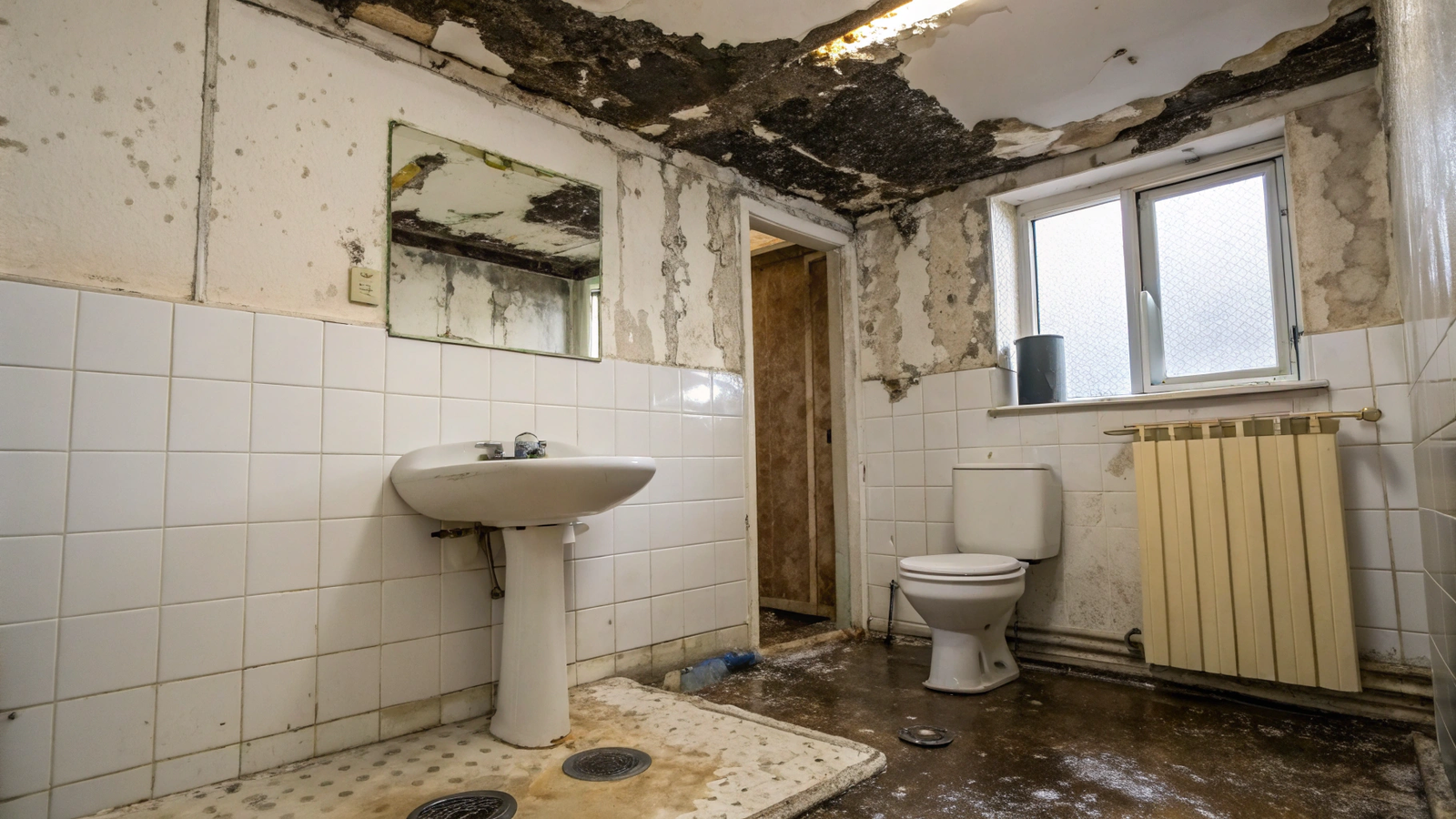
Professional water damage experts use advanced tools to find hidden bathroom leaks before mold develops. Because water can seep behind tile, under subfloors, and inside wall cavities without visible signs, early detection is critical. Pros rely on infrared thermal imaging, moisture meters, and borescopes to locate trapped moisture without unnecessary demolition. These methods help identify leaks from cracked grout, failing seals, or hidden plumbing issues. Once moisture is detected, professionals act quickly using dehumidification and targeted drying to prevent mold growth and structural damage. Early professional intervention saves homeowners from costly repairs, protects indoor air quality, and ensures hidden bathroom water damage is addressed before it becomes a serious health or safety issue.
–
Introduction
Bathroom leaks are rarely obvious at first. A tiny crack in grout, a slow pipe seep, or a failing shower pan can quietly release moisture for weeks or even months without visible signs. By the time stains, odors, or warped surfaces appear, mold growth and structural damage may already be underway.
Professional water damage specialists are trained to find these hidden problems early. They rely on specialized tools, building science, and experience to detect moisture in places homeowners can’t see. Understanding how they do it can help you act quickly and prevent expensive repairs. In many cases, a water damage bathroom issue begins long before there’s any surface-level evidence. Pros focus on early detection methods that uncover moisture behind tile, beneath flooring, and inside wall cavities well before mold has a chance to grow.
Why Hidden Bathroom Water Damage Is So Hard to Spot
Bathrooms combine constant moisture, plumbing lines, and enclosed spaces perfect conditions for concealed leaks. Water can travel far from its source, soaking insulation, framing, and subfloors while leaving surfaces looking perfectly normal.
Common hidden leak sources include:
- Cracked grout or failing caulk
- Leaking shower pans or tub seals
- Slow pipe leaks inside walls
- Loose toilet wax rings
- Condensation buildup in poorly ventilated spaces
Because mold can begin forming within 24–48 hours of moisture exposure, early detection is critical.
How Professionals Detect Water Damage Behind Tile
Tile and grout are not waterproof on their own. Water often slips through microscopic gaps and gets trapped behind the surface.
Infrared thermal imaging is one of the most effective tools pros use. These cameras detect temperature differences caused by evaporative cooling, revealing moisture patterns behind tile without removing it.
Professionals also use:
- Non-invasive moisture meters to scan tiled surfaces
- Targeted grout testing around high-risk areas
- Visual pattern analysis based on common failure points
This approach allows experts to locate wet areas precisely, minimizing unnecessary demolition.
Finding Moisture Under Bathroom Subfloors
Subfloor damage is especially dangerous because it can weaken structural integrity. Pros inspect these areas using a combination of techniques.
Pin-type moisture meters measure moisture content deep within wood subfloors. Elevated readings indicate prolonged exposure rather than surface spills.
Other methods include:
- Checking floor level changes or softness
- Inspecting from below (if accessible)
- Using thermal imaging to trace moisture migration
By identifying affected zones early, professionals can often dry and treat the area before rot sets in.
Detecting Water Inside Wall Cavities
Wall cavities are prime hiding spots for slow leaks. Since drywall can mask moisture until it’s saturated, professionals rely on advanced diagnostics.
Borescopes small cameras inserted through tiny access holes allow direct visual confirmation without major wall removal.
Pros also use:
- Moisture meters calibrated for drywall
- Infrared imaging to spot cold, damp areas
- Plumbing pressure tests to identify hidden pipe leaks
This non-destructive approach protects your walls while delivering accurate results.
How Professionals Prevent Mold Before It Starts
Detection is only half the battle. Once moisture is found, pros act fast to prevent microbial growth.
Their process often includes:
- Immediate water source isolation
- Industrial-grade dehumidification
- Controlled air movement
- Antimicrobial treatments (when appropriate)
The U.S. Environmental Protection Agency emphasizes that controlling moisture is the single most important step in stopping mold from developing inside buildings. Its mold prevention guidance is frequently cited by restoration experts and building science professionals, and more detailed information is available through the EPA’s official mold resources.
Why DIY Detection Often Falls Short
Home moisture meters and visual inspections can help but they lack the precision and depth of professional tools. Many hidden leaks go undetected until damage becomes visible, at which point repairs are far more costly.
Professionals bring:
- Calibrated commercial equipment
- Knowledge of building construction
- Experience interpreting moisture patterns
- Documentation for insurance purposes
That expertise can save thousands in future repairs.
Final Thoughts
Bathrooms are one of the most leak-prone areas in any home, and hidden moisture is the real threat. Professional detection methods allow issues to be caught early before mold, rot, or structural damage take hold. Addressing problems at the first sign of bathroom water damage protects both your home and your health, while keeping repair costs manageable.
If you suspect a leak, acting quickly and calling a professional can make all the difference.
FAQs
Q1. How long does it take for mold to grow from bathroom water damage?
A. Mold can begin growing within 24–48 hours of moisture exposure.
Q2. Can water damage exist without visible stains or smells?
A. Yes. Many leaks remain hidden behind tile, walls, or floors with no immediate surface signs.
Q3. Are infrared cameras accurate for detecting hidden leaks?
A. When used by trained professionals, infrared cameras are highly effective at identifying moisture patterns.
