

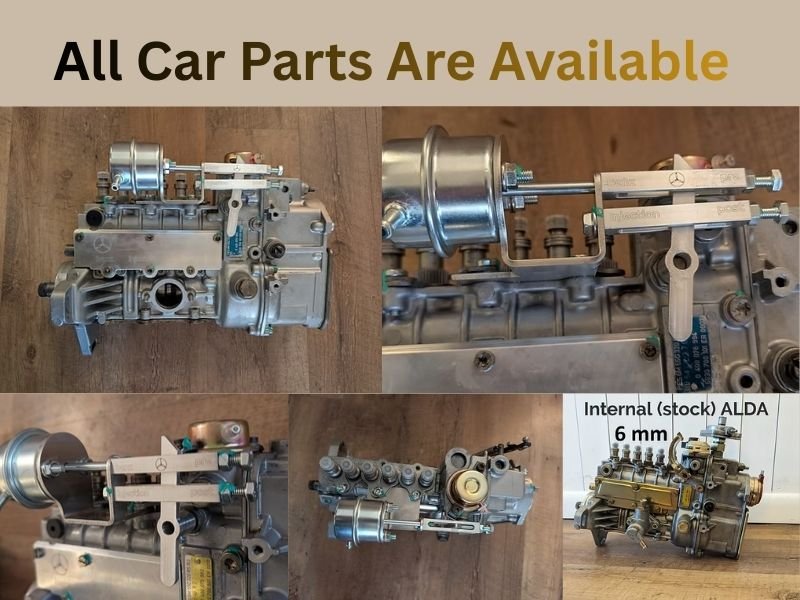
The diesel engine with mechanical fuel injection functions on its injection pump timing which determines four engine characteristics power output and throttle response plus fuel efficiency and engine reliability. The mechanical setups require accurate physical adjustments while electronic systems use sensors and computer control to operate. The engine performance will change whenever the timing receives even the smallest adjustment.
What Is Injection Pump Timing?
The process of fuel injection pump timing defines the precise fuel injection timing which delivers fuel into the combustion chamber based on the current piston position. The timings in mechanical fuel injection systems depend on the physical setup which connects the injection pump to the engine’s crankshaft and camshaft. The engine achieves maximum combustion efficiency when fuel injection occurs at the correct timing which happens just before the engine reaches top dead center (TDC). If timing is off, combustion efficiency suffers.
Advancing the Timing
The process of advancing injection timing results in fuel delivery which occurs before the compression stroke reaches its midpoint. The performance diesel builds which use mechanical fuel injection systems can achieve benefits through slightly advanced timing which enhances three areas: throttle response and high-RPM power plus turbo spool performance.
The excessive advance causes various problems. The excessive advance results in hard starting problems plus diesel knock which increases combustion noise and raises cylinder pressure levels. The extended period results in piston and rod stress plus head gasket damage. High-performance applications require both precise adjustments and thorough testing procedures.
Retarding the Timing
Retarded timing means fuel is injected later in the compression stroke. The process produces two main effects which lead to
- Smoother idle
- Reduced combustion noise
- Lower peak cylinder pressure
- Slight reduction in power
The engine generates smoother operation which produces quieter sounds when users apply the retarded timing method. Turbocharged diesel engines which operate with mechanical fuel injection display sluggish performance when users apply timing control beyond its recommended limits during load operations.
Why Timing Directly Impacts Power
Diesel engines operate with compression ignition. Fuel must ignite at the correct instant to produce maximum power because this timing produces peak cylinder pressure after reaching top dead center. This process enables the gases that expand to force the piston down with maximum force.Fuel injection at an early stage leads to combustion pressure reaching its highest point before the piston has achieved its optimal position which results in energy waste and mechanical stress increase.
If fuel injects too late, combustion pressure increases after the piston starts to move down, leading to decreased power transfer efficiency.Mechanical fuel injection timing functions as a fundamental performance component because it exceeds typical tuning procedures.
Timing in Performance Diesel Builds
Performance builds require accurate timing because upgraded injection pumps and bigger elements and hybrid turbochargers need precise timing to function correctly. The system needs accurate combustion management because it needs increased fuel delivery. The system will create excessive smoke and high exhaust gas temperatures (EGTs) and decreased reliability when it lacks proper timing.
Timers who have experience with tuning practices use a method which involves timing adjustments to advance fuel flow rates when they tune mechanical fuel injection systems. Engine performance shows different responses based on three factors which include compression ratio and boost pressure and fuel quality.
