

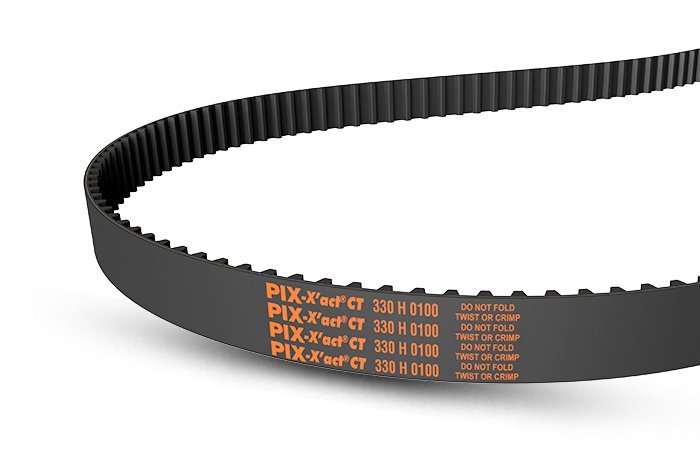
Choosing the right synchronous belt may seem simple at first glance. Many people assume that any belt will do the job as long as it fits. But here’s the catch—using the wrong belt can slowly reduce performance, increase wear, and even lead to unexpected breakdowns. The real challenge lies in understanding what your system truly needs and matching it with the right belt.
This guide will walk you through everything in a clear and easy way, helping you make a smart and confident decision.
Note:
If you’re aiming for better performance and reduced downtime, selecting the right Synchronous Belts(สายพานซิงโครนัส) is a crucial step. For dependable solutions and expert support, PIX Thailand can be a helpful resource. Whether you’re planning an upgrade or need guidance, Contact them to explore the right options for your needs.
What Is a Synchronous Belt and Why Does It Matter?
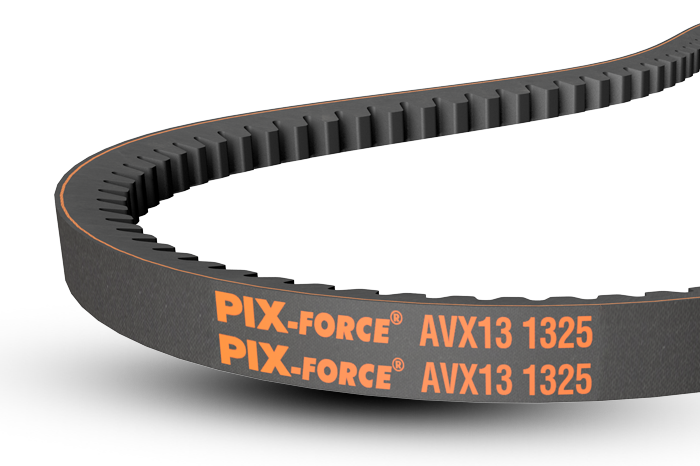
A synchronous belt is designed to move parts in perfect timing without slipping. It has teeth that lock into grooves on pulleys, which ensures smooth and accurate motion. This makes it different from regular belts that may slip under pressure.
Because of this design, synchronous belts are often used in machines where timing is critical. If the belt fails or slips, the entire system can be affected. That’s why choosing the right one is more important than it seems.
Understanding Your Application Needs
Before you choose a belt, you need to fully understand your application. Every machine works differently, and even small differences can affect performance.
Think about how much load the belt will carry and how fast the system will run. Also consider whether the machine runs continuously or only for short periods. The environment is equally important. If the belt is exposed to heat, dust, or moisture, it needs to be strong enough to handle those conditions.
When you clearly understand these factors, you reduce the chances of choosing the wrong belt.
Types of Synchronous Belts
There are different types of synchronous belts, and each one serves a specific purpose. Some are designed for general use, while others are made for heavy-duty tasks or precision work.
| Belt Type | Best For | Key Advantage |
|---|---|---|
| Standard Timing Belt | General machines | Reliable and cost-effective |
| High Torque Belt | Heavy-duty applications | Handles more power |
| Double-Sided Belt | Systems with multiple pulleys | Drives both sides |
| Mini Pitch Belt | Small precision devices | High accuracy |
Choosing the right type depends on your machine’s function. A belt designed for light tasks may not perform well in a heavy-duty system, and vice versa.
Choosing the Right Material
The material of the belt plays a big role in how it performs and how long it lasts. Different materials offer different benefits, so it’s important to match the material with your application.
| Material | Strength | Best Use Case |
|---|---|---|
| Rubber | Flexible and affordable | Everyday use |
| Polyurethane | Strong and durable | Heavy-duty and long-term use |
| Neoprene | Resistant to oil and heat | Harsh environments |
For example, if your machine operates in a harsh environment with heat or chemicals, choosing a stronger material can prevent frequent failures. On the other hand, for simple applications, a basic material may be enough.
Load Capacity and Why It Matters
Load capacity is one of the most important factors to consider. If a belt cannot handle the load, it will wear out faster or even break during operation.
When a belt is under constant stress, small issues can quickly become bigger problems. Over time, this can reduce efficiency and increase maintenance costs. That’s why it is always better to choose a belt that can comfortably handle the load rather than pushing it to its limit.
Speed and Torque Considerations
Speed and torque are closely connected, and both affect how the belt performs. A system that runs at high speed requires a belt that can move smoothly without overheating. At the same time, systems with high torque need belts with strong teeth that can maintain grip.
If these factors are not balanced properly, the belt may not fail immediately, but it will slowly lose efficiency. This hidden issue often goes unnoticed until it causes serious damage.
Importance of Size and Fit
Even the best belt will not perform well if it does not fit correctly. Proper size and alignment are essential for smooth operation.
A belt that is too loose can slip, while one that is too tight can cause unnecessary strain. Both situations can lead to noise, vibration, and faster wear. Ensuring the right fit helps maintain stability and extends the life of the belt.
Environmental Factors to Consider
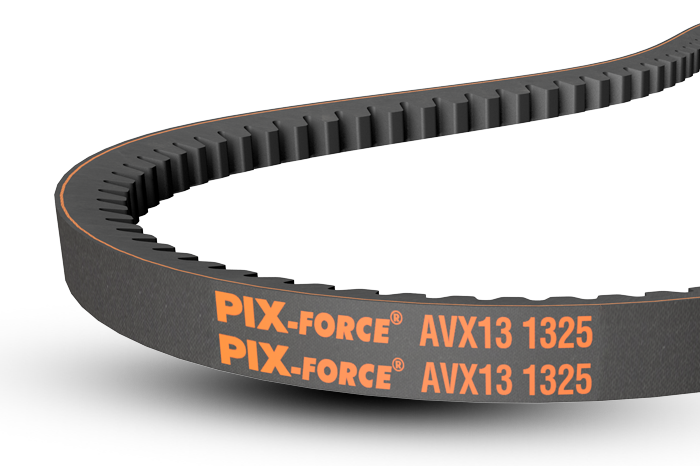
The environment in which the belt operates can have a major impact on its performance. Temperature changes, exposure to oil, and the presence of dust or moisture can all affect how the belt behaves.
A belt that works perfectly in a clean indoor setting may struggle in a harsh industrial environment. That’s why it is important to consider where and how the belt will be used before making a decision.
Maintenance and Lifespan
Maintenance plays a key role in how long a synchronous belt lasts. While some belts require minimal care, others need regular checks to ensure proper alignment and tension.
A well-maintained belt not only lasts longer but also performs better. Regular inspection helps identify small issues before they turn into major problems, saving both time and cost.
Final Thoughts
Choosing the right synchronous belt is not just about picking a part that fits. It is about understanding your system and making a choice that supports efficiency, reliability, and long-term performance.
At first, the process may seem complex, but once you focus on the key factors—such as type, material, load, and environment—it becomes much easier. The right choice today can prevent unexpected issues in the future and keep your system running smoothly.
Frequently Asked Questions (FAQs)
1. What makes synchronous belts different from regular belts?
Synchronous belts have teeth that prevent slipping, which allows them to provide accurate and consistent movement.
2. How do I select the correct belt for my machine?
You need to consider load, speed, environment, and size to find the best match for your system.
3. Can one belt type be used for all applications?
No, different applications require different belt types, so it is important to choose based on specific needs.
4. What happens if I choose the wrong belt?
The system may lose efficiency, wear out faster, or even face unexpected failure.
5. How can I increase the life of my belt?
Regular maintenance, proper alignment, and choosing the right material can significantly improve lifespan.
Social Links
Facebook: https://www.facebook.com/pixtrans/
Instagram: https://www.instagram.com/pixtrans/
YouTube: https://www.youtube.com/user/pixtrans
LinkedIn: https://www.linkedin.com/company/pixtrans/
Twitter (X): https://x.com/pixtrans
Google Maps: https://maps.app.goo.gl/V2NG4NKaZRKu7xtG6
for more info visit gettonews
