

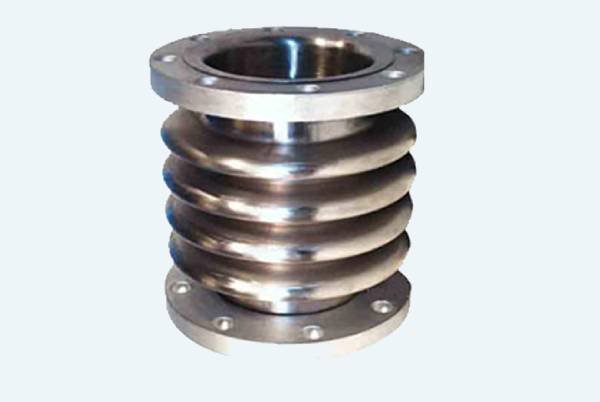
Metal expansion joints are an essential part of pipes and ducting systems. They help in absorbing any type of movement, vibration, or changes in temperature (thermal expansion). Metal joint manufacturers typically use various metals for manufacturing expansion joints, such as stainless steel, Inconel, or strong alloys similar to Inconel. These materials help metal expansion joints function optimally even when confronted with very high temperatures, extreme pressures and mechanical stresses during normal operation. Due to their versatility and durability, metal expansion joints play an integral role in many different parts of the industry. However, these expansion joints can experience various issues due to operating conditions, installation errors, or material fatigue. Let’s discuss some of the common problems and their solutions
- Bellows Fatigue or Failure
Bellows fatigue is a common problem caused by improper material selection, repetitive cyclic loading and excessive movement beyond rated capacity. To overcome this problem, one should ensure that the expansion joint is rated for expected movements and fatigue cycles. It is also recommended to adhere to manufacturer guidelines for allowable cycles and replace the joint when the fatigue limit is reached.
- Premature Corrosion or Cracking
Premature corrosion or cracking is caused due to exposure to corrosive environments, wrong material selection or contamination during installation. To prevent premature corrosion, one must use corrosion-resistant materials such as stainless steel (SS 304, SS 316) for aggressive environments. The bellows should be protected from weld splatter and external contaminants. One must apply coating or liners if necessary
- Excessive Pressure Thrust
Excessive pressure thrust is caused due to improper anchoring or lack of control in the devices such as tie rods, hinges, and gimbals. To avoid excessive pressure thrust, one must install proper pipe anchors and guides for handling pressure thrust forces. If necessary, use expansion joints having built-in restraints (hinges, tie rods) for managing these forces safely.
- Misalignment or Improper Installation
Improper installation or misalignment often leads to failure of the system. Before installing expansion joints, make sure that piping is properly aligned. Floating flanges or van stoned ends should be used to accommodate bolt alignment. When installing expansion joints, make sure to adhere to installation instructions and dont use the joint to compensate for misalignment unless specially designed for it.
- Bellows Damage During Shipping or Handling
Bellows can be damaged during handling or shipping and can get dents, scratches or deformation. It usually happened due to improper storage or rough handling. To avoid damage during shipment or handling, make sure to store expansion joints in a clean and dry area. The joint should be thoroughly inspected for damage before installation. The bellows should be protected from impacts and avoid stacking heavy objects on them.
- Vibration and Fatigue from Rotary Equipment
When there is an excessive vibration from pumps, compressors, or turbines, it often leads to fatigue failure. To overcome this problem, one must use flexible bellows connectors designed for vibration damping, such as “BCT” connectors. One should also install anchors near vibration sources and ensure proper support for the piping system.
- Water Hammer or Pressure Spikes
Water hammer or pressure spikes are often caused by changes in the system. It is advised to install surge suppressors or dampers for controlling pressure fluctuations. The system should be filled gradually, and rapid valve closures should be avoided.
- Overstretching or Over-Compression
Overstretching or overcompressionis generally caused by exceeding the rated axial movement limit of the expansion joint. One should choose the correct expansion joint with appropriate movement capacity. Limit rods should be used for preventing over-compression or over-extension.
- Leakage at Flanges or Welds
Leakage at flanges or welds is a common problem that occurs due to poor flange alignment, gasket failure, or inadequate welds. One should ensure that the proper flange torque sequence is used. The correct gasket material should be used to avoid leakage at flags. It is also advised to verify weld integrity during installation.
- Training Maintenance Staff
It is important to educate your maintenance personnel on the proper care and handling of expansion joints. They must be provided with training on the specifics of expansion joint care and maintenance to ensure they understand the critical signs of wear and tear and know what steps should be taken to prevent failures.
By following the best practices selection, installation, and maintenance, it is possible not only to avoid and prevent failures but also extend the lifespan of metal expansion joints.
Advanced Flexible System Inc is engaged in providing high quality and expert solutions for your expansion joint requirements. We provide custom solutions for a variety of expansion joints, metal bellows expansion joints, Viton expansion joints, and fabric expansion joints. If you are looking for robust custom expansion joints, flexible hoses and industrial dampers, feel free to connect with our experts today.
SOURCE URL: https://afsjoints.livejournal.com/1493.html
